Clean air acts as broader vision for green city models
The theme calls for effective coordination, technologies and sustainable resources to maintain progress in improving urban air quality.
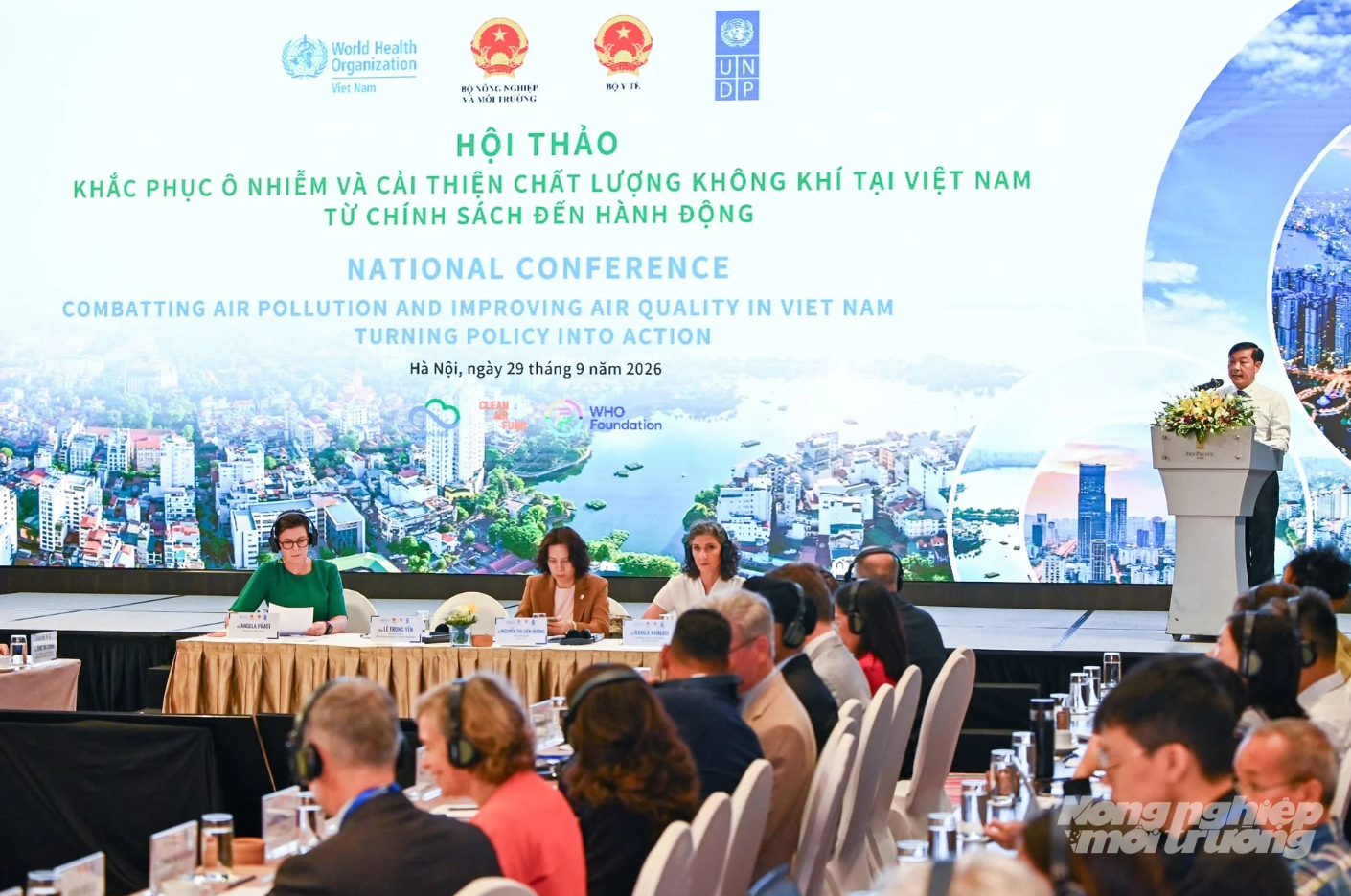
On September 29, the Ministry of Agriculture and Environment, in coordination with the Ministry of Health, the United Nations Development Programme (UNDP) and the World Health Organization (WHO) in Viet Nam, held a national conference "Combatting Air Pollution and Improving Air Quality in Viet Nam: Turning Policy to Action."
The workshop took place as Viet Nam is implementing the Action Plan for Addressing Air Pollution for period 2026-2030 vision to 2045, which focuses on translating air pollution control policies and orientations into concrete, measurable actions, while strengthening inter-sectoral coordination and mobilizing resources to improve air quality.
To find technological, technical and financial solutions
In his opening remarks, Deputy Minister of Agriculture and Environment Le Trong Yen affirmed: “Improving air quality is not only an environmental and public health task, but is also closely linked to the green transition, greenhouse gas emissions reduction and the implementation of the Net Zero commitment.”
Conclusion No. 75-KL/TW on environmental protection and proactive response to climate change in the new period identifies addressing air pollution as a key priority, providing important direction for efforts to tackle pollution and improve air quality.
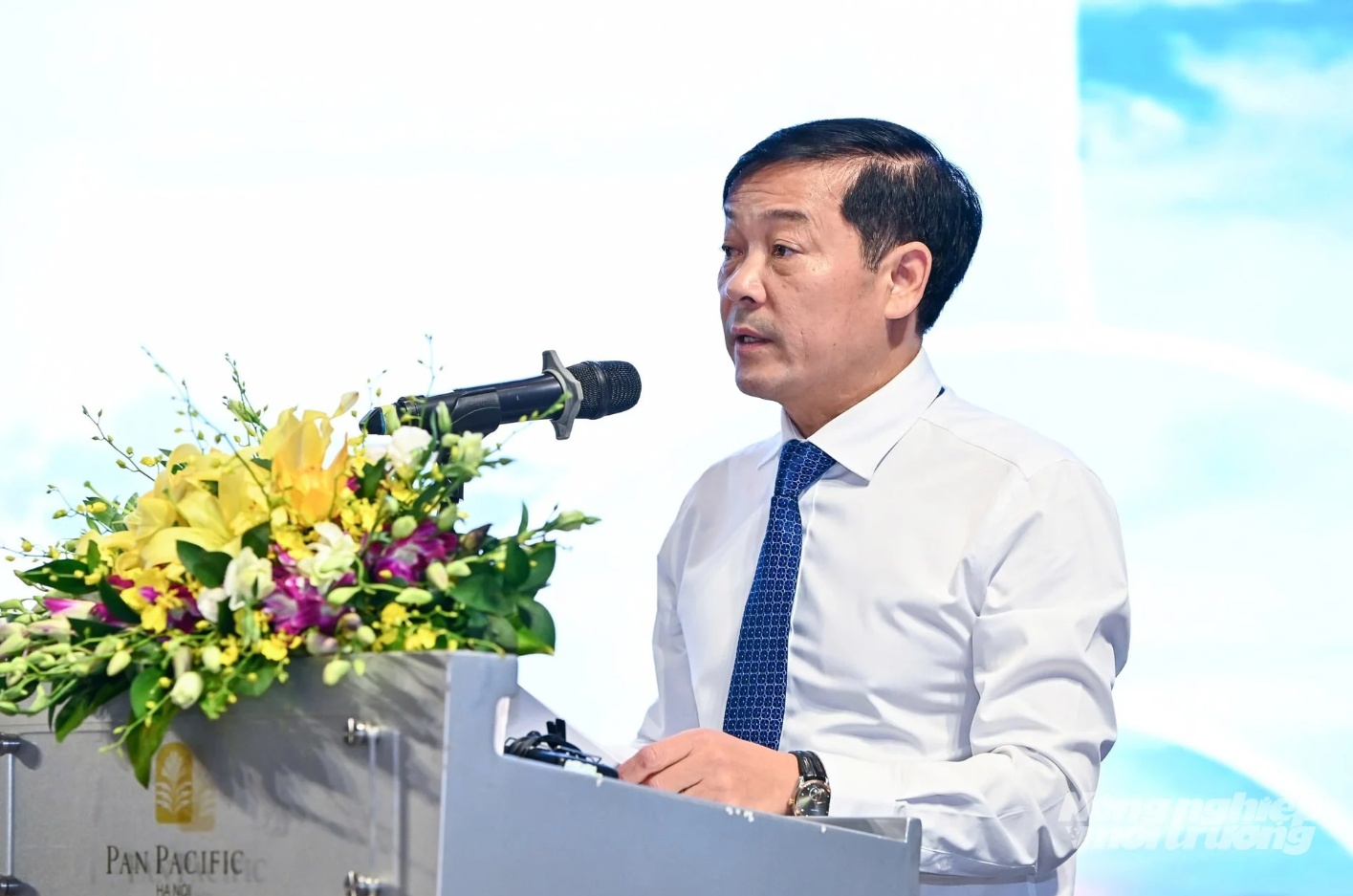
Deputy Minister Le Trong Yen said the workshop would focus on identifying technological, technical and financial solutions to control pollution sources, curb the increase in air pollution and gradually address air pollution in the transport, energy, industrial, construction and agricultural sectors.
“In this process, the engagement of ministries, sectors and localities, domestic agencies, international organisations, experts and scientists in implementing measures to address air pollution in the coming years will make a practical contribution to joint regional and global efforts towards a safe, clean and sustainable environment,” Deputy Minister Le Trong Yen emphasised.
From the health sector’s perspective, Deputy Minister of Health Nguyen Thi Lien Huong highlighted the role of providing evidence on the health impacts of air pollution, monitoring and warning of potential risks, communicating with the public, and providing guidance on measures to protect people’s health.
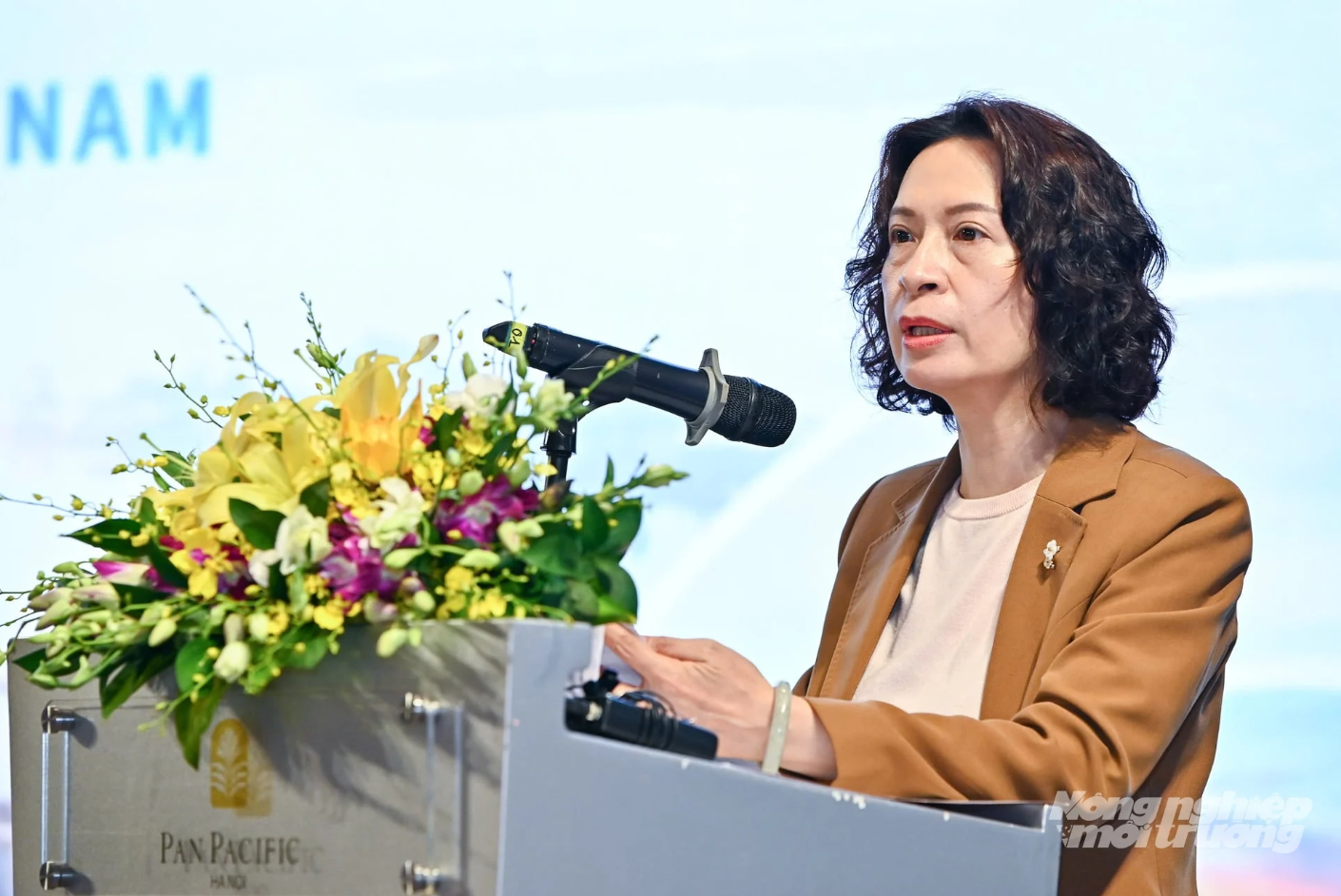
According to Deputy Minister Nguyen Thi Lien Huong, policy orientations need to be translated into concrete measures aimed at proactively preventing diseases and controlling health risks associated with air pollution, while strengthening coordination among the health and environmental sectors and other relevant stakeholders.
“Proactive disease prevention requires not only early detection and disease prevention, but also proactive control of health risk factors, including environmental risks. Therefore, improving air quality is also a solution to proactively prevent diseases and protect public health,” the health sector leader said.
Strengthening capacity to control emission sources
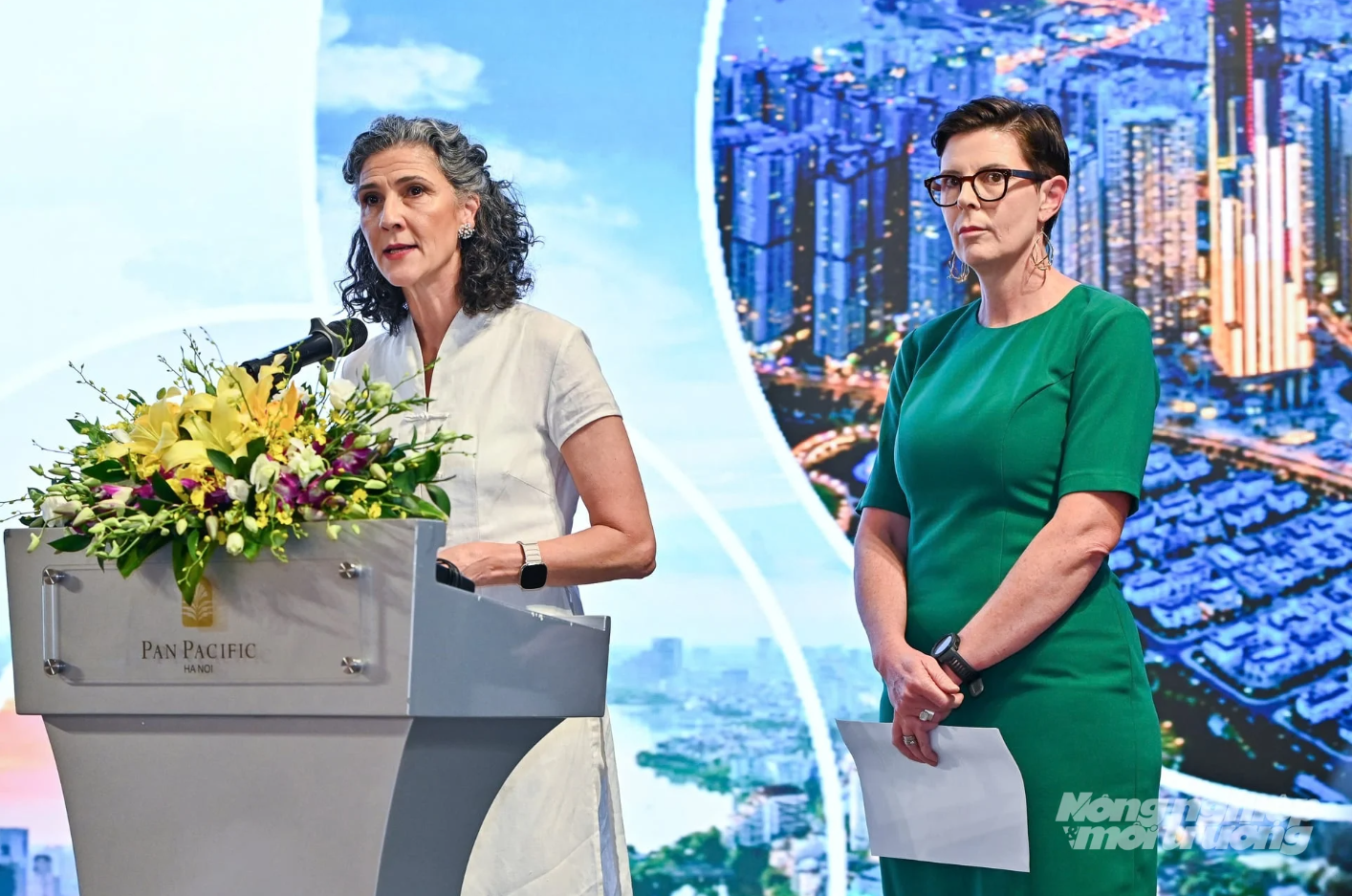
The UNDP Resident Representative and the WHO Representative in Viet Nam both emphasised the need to translate Viet Nam’s policies and commitments into actions with tangible impacts. Recalling the country’s first national conference on air pollution, speakers noted that this workshop focuses on implementation, with air quality targets already identified and measurable.
“Air quality is becoming part of Viet Nam’s broader vision for a new economic development model, in which the green transition is not only an environmental priority but also a driver of competitiveness and sustainable development,” Ramla Khalidi said.
In the coming period, according to Le Hoai Nam, Deputy Director General of the Environmental Department, the amended Law on Environmental Protection will move towards completing the air quality management system and strengthening emission source controls.
Under the proposed direction, Viet Nam will continue to refine regulations on air quality inventories, assessment and forecasting, as well as national- and provincial-level air quality management plans.
In addition, regulations on low-emission zones will set out principles and criteria for their establishment, emission control measures within these zones, and the respective management powers and responsibilities. Measures to monitor and limit dust emissions from construction activities will also be introduced to control one of the direct sources of pollution in urban areas.
The two organisations also aim to pilot a "breathable city", combining science and technology, public participation and investment solutions to develop a practical model and draw lessons that can be applied more broadly.
UNDP is supporting the Government in developing a unified national air emissions inventory system, providing a basis for identifying and addressing pollution sources.
Tung Dinh - Kieu Chi