GEF supports sustainable urban development
The Global Environment Facility is funding pilot solutions for sustainable urban development in Hue, Ha Giang and Vinh Yen.
On the afternoon of September 28, in Hue City, the Project Management Board of “Integrating Climate Change Resilience and Environmental Protection for the Development of Green Class-II Cities” held a seminar to share the project's knowledge products.
The Ministry of Agriculture and Environment approved the project for adjustment in January 2026, and the Global Environment Facility (GEF) funds it through the Asian Development Bank (ADB). The Department of Environment is the implementing agency, while the Institute of Strategy and Policy for Agriculture and Environment is the co-implementing agency.
The project's overall objective is to strengthen institutional capacity for environmental protection and climate change resilience to support green development in Class-II cities. It focuses on improving the policy framework, piloting sustainable urban development solutions in Hue, Ha Giang and Vinh Yen, developing and testing financial solutions, and supporting integrated environmental planning and climate adaptation.
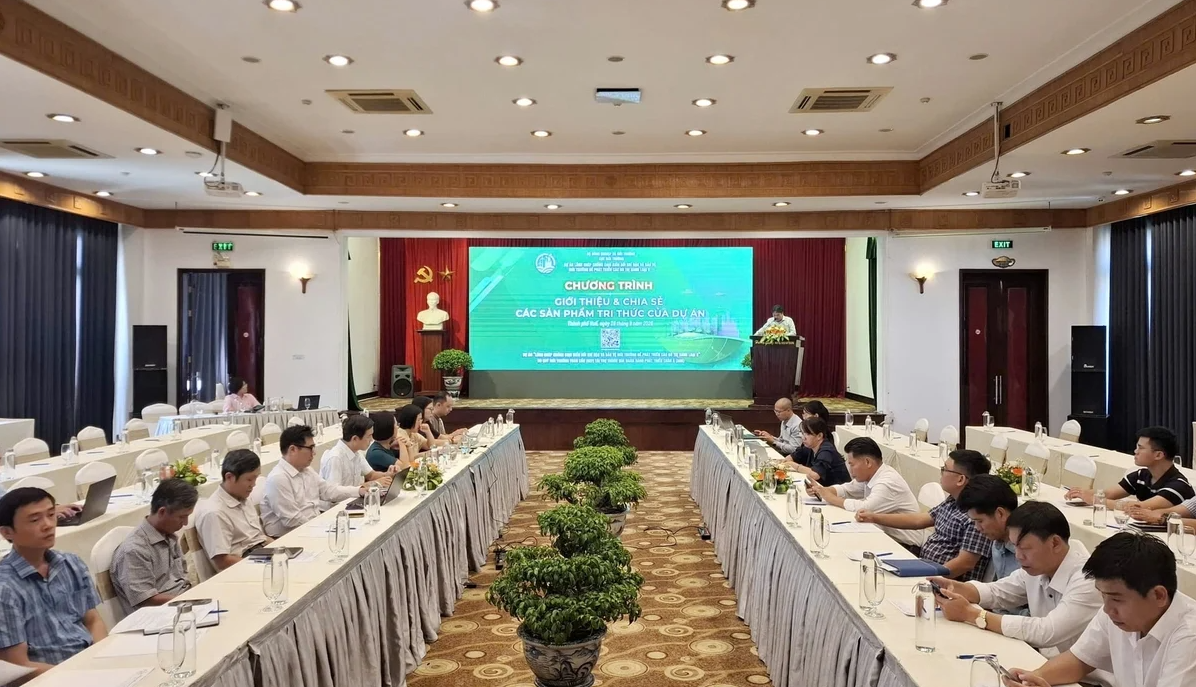
Speaking at the seminar, Nguyen Trung Thang, Deputy Director of the Project Management Board, said climate change, pollution, environmental degradation, biodiversity loss and ecosystem degradation are becoming increasingly evident challenges to development. In this context, green transition, low-carbon economic development, efficient resource use, ecosystem protection and restoration, and stronger resilience to climate change are becoming essential requirements for a new development model.
Viet Nam has committed to achieving net-zero emissions by 2050 and is gradually integrating targets for emissions reduction, climate change adaptation, the circular economy and nature conservation into development strategies, plans and master plans. For cities, these requirements are even more urgent. Green urban development therefore needs an integrated approach combining greenhouse gas emissions reduction, climate change adaptation, ecosystem protection, and improvements in environmental quality and quality of life.
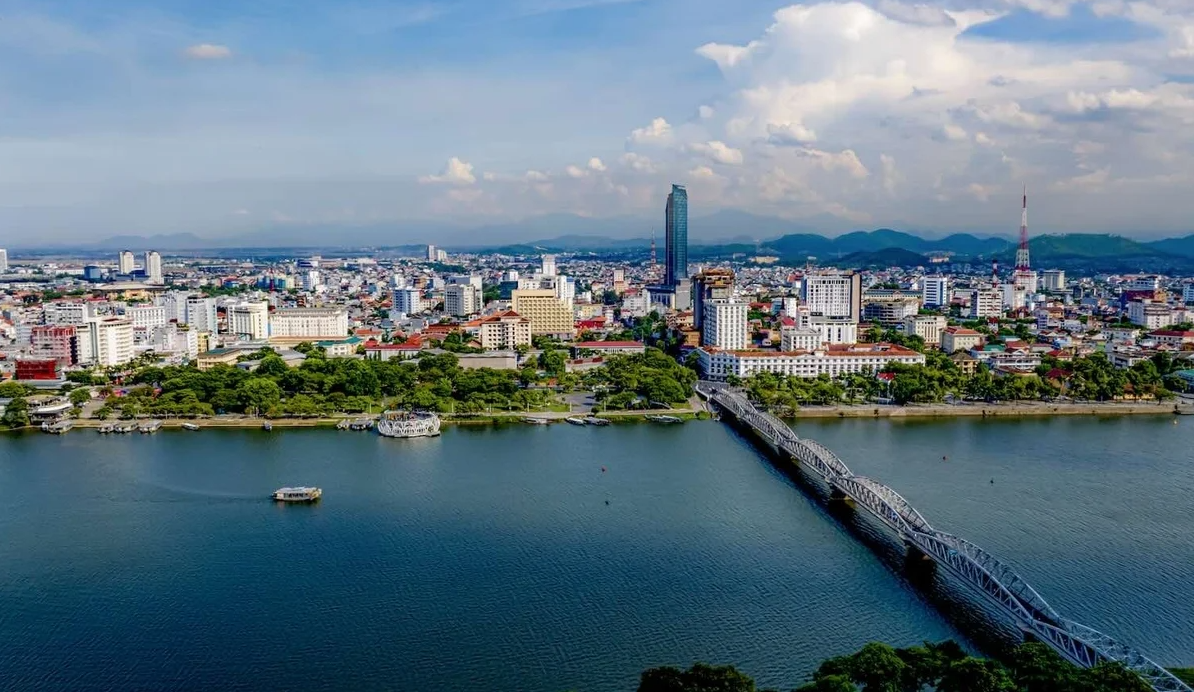
The seminar introduced and shared with management officials, experts and stakeholders in Hue three key knowledge products of the project: Guidelines for assessing climate change risks and vulnerabilities in Vietnamese cities; a greenhouse gas inventory toward green cities; and guidelines for ecosystem assessment. Participants discussed implementation methods and the potential application of these knowledge products to urban management, planning and development in Hue.
Through the seminar, the project's knowledge products are expected to help strengthen management capacity and promote the integration of climate change response, emissions reduction and ecosystem protection objectives into urban planning and development. This will support Hue in building a green and sustainable city, strengthening resilience to natural disasters and climate change, and linking socio-economic development with the conservation of its heritage values, landscapes and distinctive ecosystems.
Van Dinh