Meteorological market opens up new career opportunities for Vietnamese students
The meteorological market is expanding as weather data is increasingly used across a wide range of sectors, creating more job opportunities for students studying meteorology and hydrology.
On September 30 in Hanoi, the Faculty of Meteorology and Hydrology at Hanoi University of Natural Resources and Environment, in cooperation with the WNI WxBunka Foundation and Weathernews Inc.’s Hanoi Representative Office, held an international seminar titled “Global Meteorological Market: A Business Perspective on Meteorology”.
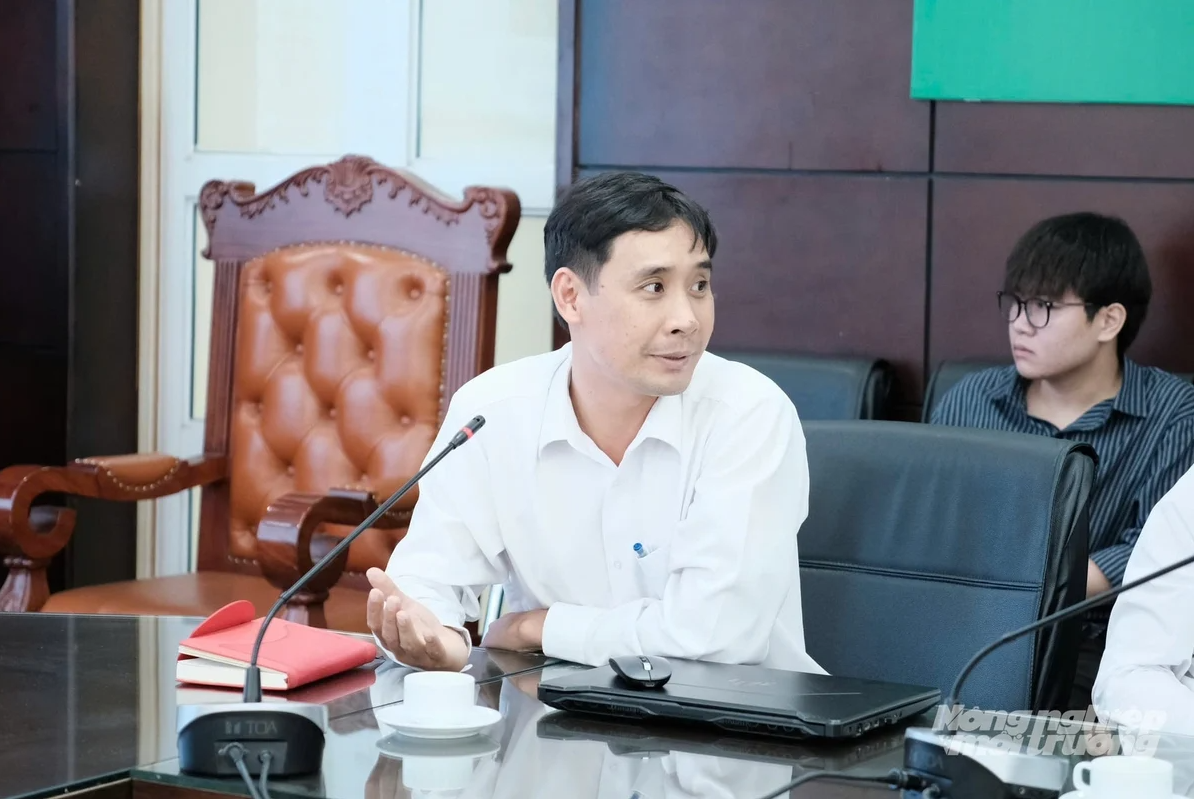
Speaking at the seminar, Mr. Tran Van Tinh, head of the Faculty of Meteorology and Hydrology, said the university’s training programs aim not only to equip students with professional knowledge but also to help them better understand their career options after graduation.
“As the demand for meteorological information continues to grow, learning from businesses can help students see more ways to apply their knowledge beyond traditional forecasting,” Mr. Tinh said.

Mr. Chihito Kusabiraki, chairman of the WNI WxBunka Foundation and former chairman and CEO of Weathernews, shared insights into the global weather services market and the growing use of weather data in business. He said climate change and increasingly frequent extreme weather events are making meteorological information more valuable to economic activities. When properly used, weather data can be more than a source of risk; it can also help businesses make better decisions.
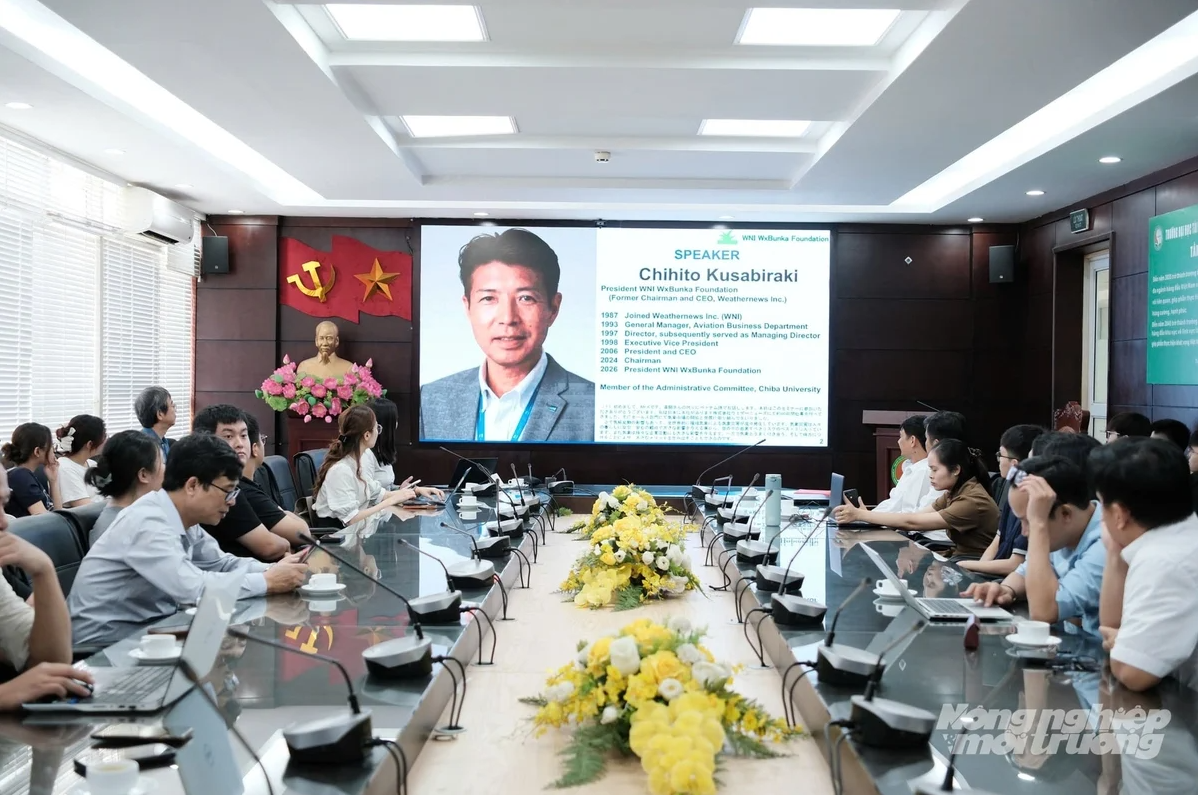
The seminar highlighted examples from a range of sectors, including shipping, aviation, energy and retail. For transport companies, weather data can help them choose routes, improve safety and reduce costs. In renewable energy, forecasts of wind and solar radiation can help operators predict electricity generation. In retail, combining weather data with sales information can help businesses anticipate demand and manage inventories.
Mr. Kusabiraki stressed that accurate forecasts are only the starting point for developing valuable weather services. Weather data needs to be combined with operational information and customers’ actual needs to create solutions that can be applied in production and business activities.
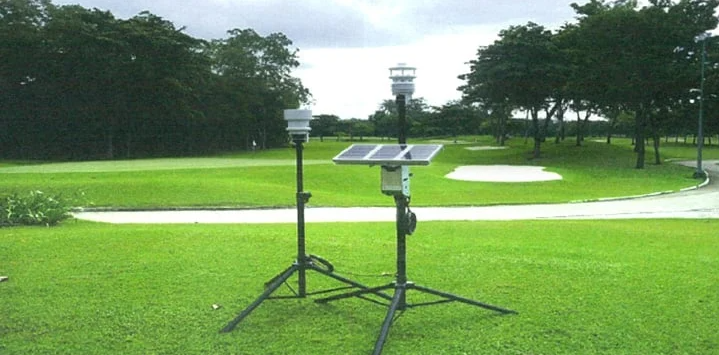
Mr. Nguyen Van Huong, deputy head of the Faculty of Meteorology and Hydrology, said stronger links between businesses and education are needed. In addition to fundamental knowledge, students should have more opportunities to learn about climate services, the use of climate information in socio-economic activities and the meteorological market. He proposed that the two sides maintain regular exchanges and organize professional programs, competitions, scholarships and internships to give students a clearer understanding of emerging career opportunities.
According to speakers at the seminar, in Japan, meteorology graduates can work not only for government agencies but also for private weather companies, airlines, railway operators, energy companies and businesses in other sectors. This is also seen as a potential way to broaden career opportunities for meteorological professionals as weather data becomes increasingly integrated into economic activities.
Mai Dan - Thanh Trang