Solutions for Lam Dong coffee to adapt to climate change and meet EUDR requirements
In response to changing production conditions and market requirements, Lam Dong’s coffee sector needs to modernize farming practices, establish sustainable sourcing areas and strengthen supply-chain linkages.
Lam Dong Department of Agriculture and Environment recently held an Agricultural Extension Forum on solutions for developing climate-smart coffee production that can adapt to climate change and comply with the European Union Deforestation Regulation (EUDR).
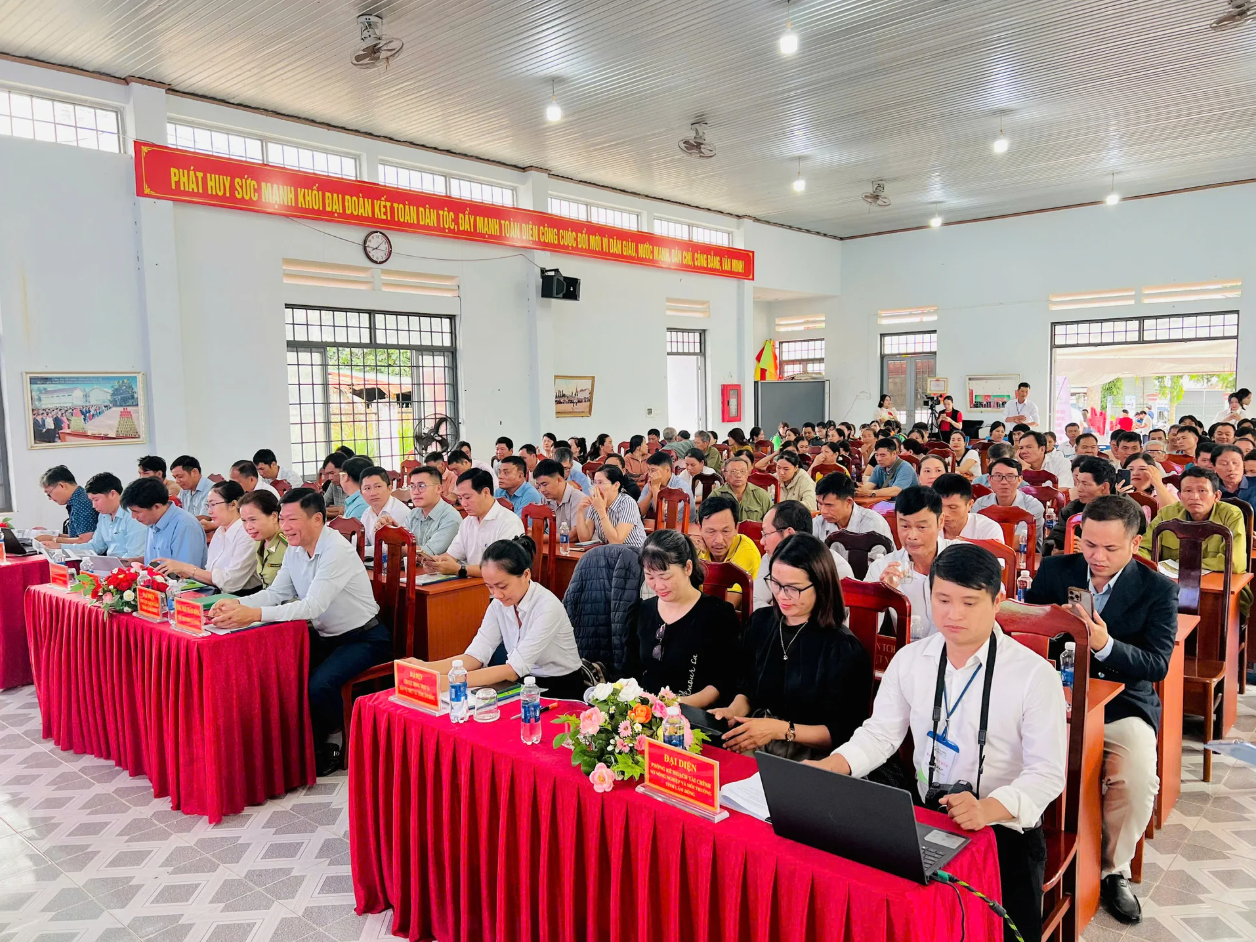
Nguyen Van Chuong, Director of the Lam Dong Agricultural Extension Center, said coffee is one of the province’s key agricultural commodities and plays an important role in its socio-economic development. However, the sector is facing two major challenges: climate change and increasingly stringent requirements in international markets. Climate change is becoming more extreme, with prolonged heatwaves, drought, unseasonal rainfall, declining irrigation water supplies and the emergence of various pests and diseases. These conditions directly affect coffee productivity and quality, as well as the sustainability of growing areas.
“The European Union Deforestation Regulation (EUDR) not only requires coffee products to be guaranteed free from deforestation-linked origins after December 31, 2020, but also that there be full traceability and transparency, alongside compliance with land and environmental laws,” Chuong emphasized.
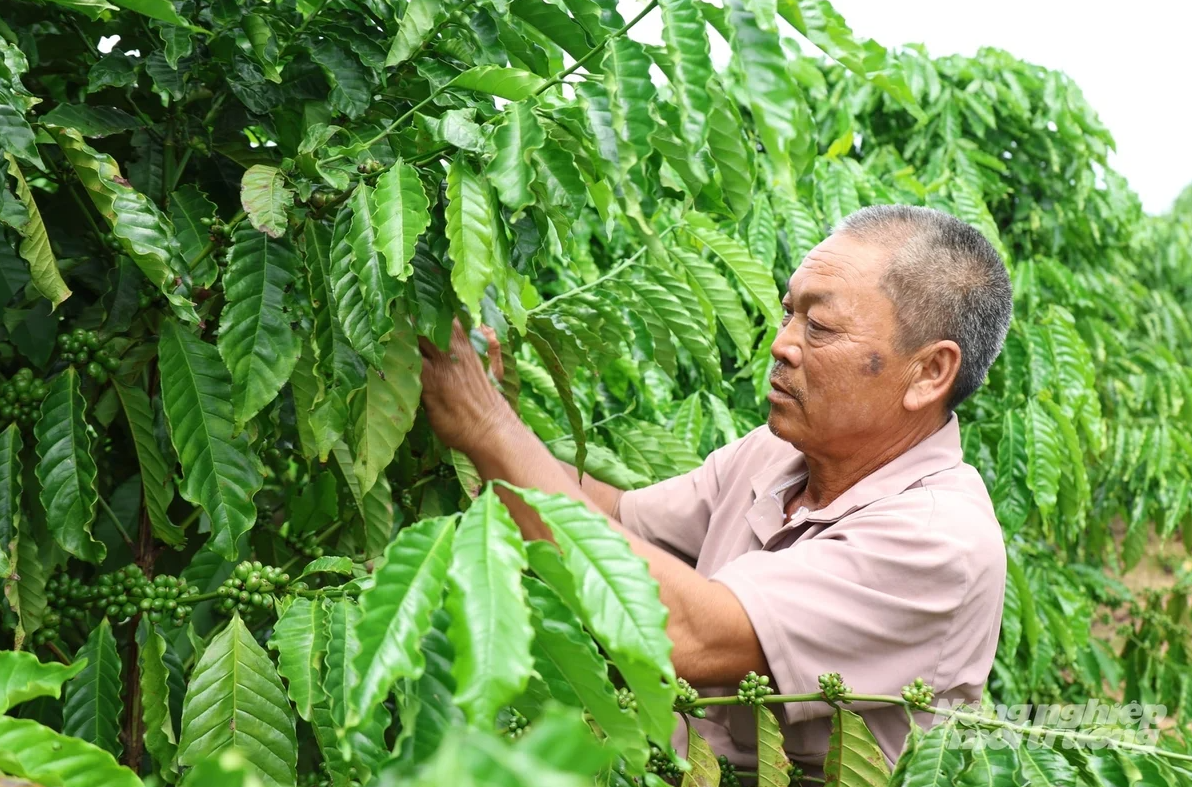
The forum focused on discussing and implementing five key groups of solutions. These include shifting production methods toward climate-smart coffee farming; developing sustainable raw-material areas; meeting traceability requirements and ensuring production does not contribute to deforestation; and strengthening links among farmers, cooperatives, businesses, and processing and export companies.
The proposed measures also cover agricultural extension, training, technical guidance and technology transfer; improving mechanisms and policies to support the coffee sector; and mobilizing participation from authorities at all levels, businesses and international organizations in investment, technology transfer, green finance and market development.
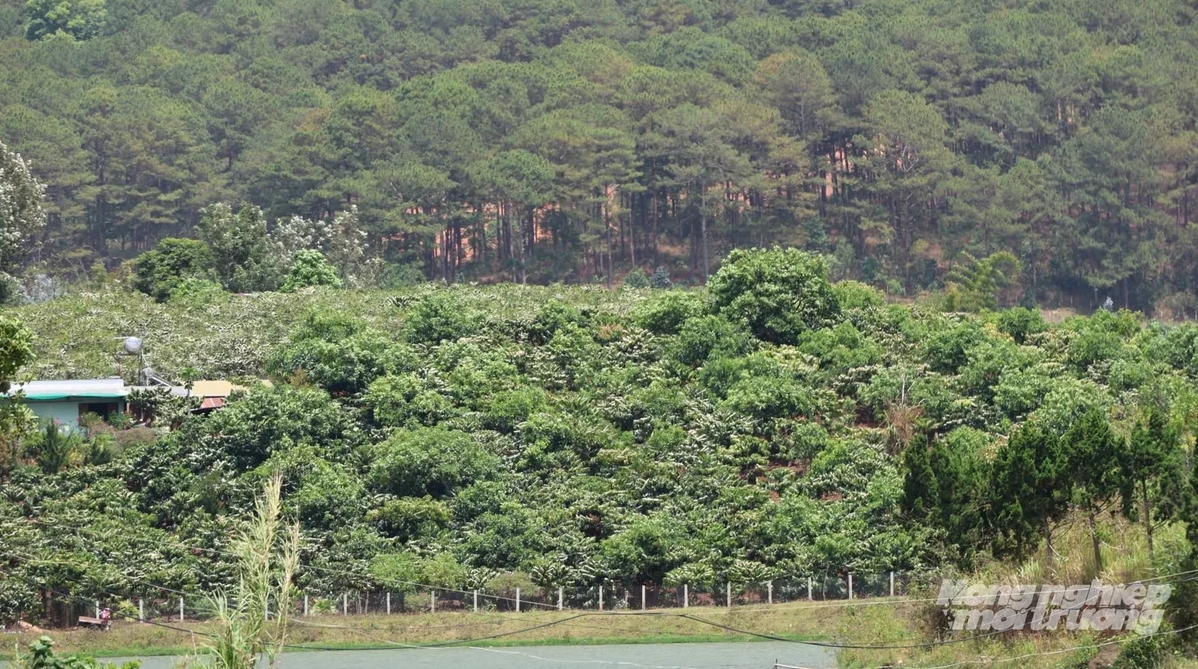
At the forum, participants also discussed the issues directly with farmers and put forward orientations and solutions for developing climate-smart coffee production in Lam Dong Province in the coming period, helping the sector adapt to climate change and comply with the EUDR’s compliance.
Nhat Tien - Pham Hoai