IFAD, GCF supports communities in forest protection and sustainable livelihoods
A communication and community networking event on forest protection and sustainable livelihoods was held on October 9 in Nam Ban Lam Ha Commune, Lam Dong Province.
The event, themed “Protect Forests Today - Secure Sustainable Livelihoods Tomorrow,” was organized by the Forestry and Forest Protection Department (under the Ministry of Agriculture and Environment) in coordination with the Lam Dong Department of Agriculture and Environment, as part of the Reducing Emissions in Viet Nam’s Central Highlands and South Central Coast (RECAF) project.
The project is Supported by the International Fund for Agricultural Development (IFAD) and the Green Climate Fund (GCF).
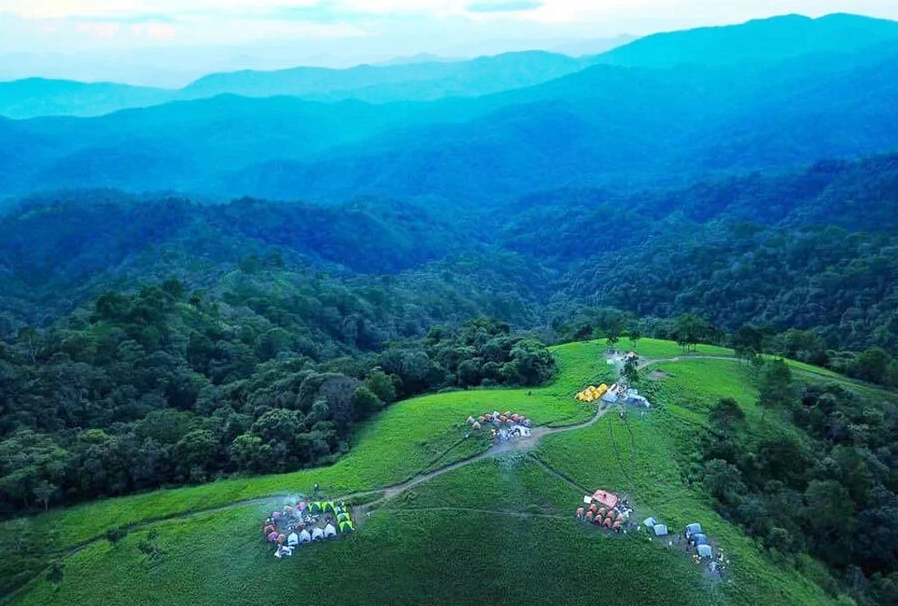
The event brought together around 150 community representatives and residents from five provinces: Gia Lai, Quang Ngai, Dak Lak, Lam Dong and Khanh Hoa. At least 40% of participants were women and 50% were ethnic minority people. The program aimed to raise awareness and strengthen community participation in forest protection, greenhouse gas emissions reduction and sustainable livelihood development.
Ms. Cil Hanh, a representative of the Duc Trong community, said forest protection and livelihood development were inseparable, as economic hardship often made it more difficult for people to protect forests. She said communities needed livelihood opportunities suited to local conditions that could provide stable incomes without harming forests. These could include sustainable agriculture, agroforestry where appropriate and more efficient land use. Through project activities, participants also learned more about community-based forest fire prevention and control, the role of forests in carbon sequestration and greenhouse gas emissions reduction, and benefit-sharing mechanisms under emissions reduction programs.
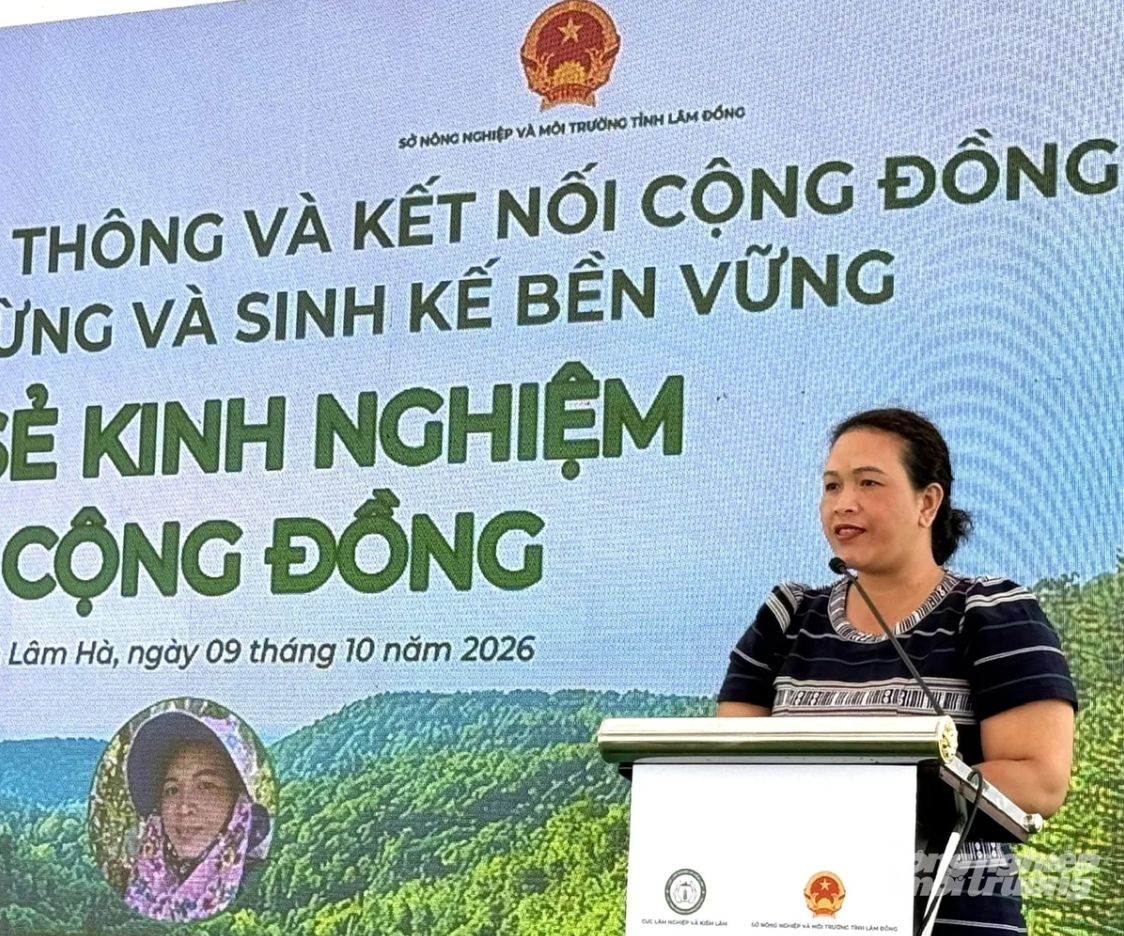
“When people have stable livelihoods and understand the long-term value of forests, they have greater motivation to protect and develop them. People need clear, accessible explanations of how to participate in emissions reduction programs, including their responsibilities, entitlements and benefit-sharing principles. This will enable them to participate proactively rather than simply listen and follow instructions,” Ms. Hanh said.
Through communication activities, experience-sharing sessions and dialogue, the program sought to strengthen connections among government agencies, organizations and local communities in linking forest protection with sustainable livelihood development.
Community experience-sharing sessions, exhibitions, communication activities and policy dialogues gave residents opportunities to discuss issues related to forest protection and livelihoods. The “Community Voice Tree” activity provided a platform for participants to share messages and commitments to forest protection and sustainable development.
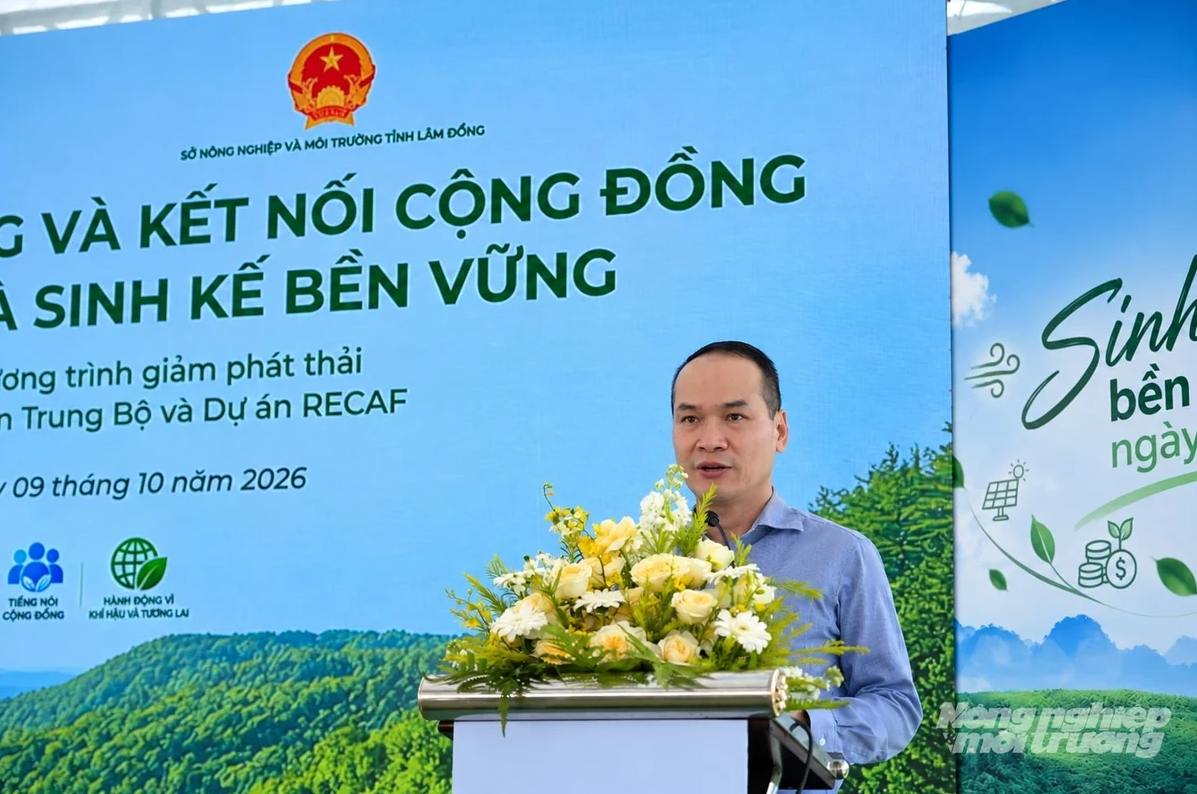
Mr. Pham Hong Luong, Deputy Director General of the Forestry and Forest Protection Department, said forest protection, emissions reduction and sustainable livelihood development required coordinated efforts from multiple stakeholders, including state management agencies, local authorities, forest owners, development organizations and local communities.
“Every forest protected today not only helps preserve the ecological environment but also creates opportunities for sustainable livelihoods for local people. When communities have access to adequate information, are heard and are involved in decision-making, forest protection becomes a shared responsibility and a common benefit for society,” he emphasized.
Through the event, the organizers hoped to strengthen cooperation between government agencies, development organizations and local communities. The views, experiences and aspirations shared by residents will serve as reference material for refining and effectively implementing the Emissions Reduction Program in the Central Highlands and South Central Coast, together with the RECAF-MAE project, in the coming years. These efforts are expected to promote sustainable livelihoods linked to forest protection and climate change response.
Pham Hoai - Tuan Anh