Viet Nam wins tender to export 10,000 tonnes of broken rice to South Korea
South Korea has finalized its rice volume allocations in the 7th tariff-rate quota tender this year, awarding Viet Nam a bid for 10,000 metric tons of long-grain broken rice.
According to the Korea Agro-Fisheries & Food Trade Corporation (KAFTC), South Korea allocated 114,833 tonnes of rice in the seventh tariff-rate quota (TRQ) tender of 2026, which closed on September 15.
China secured the largest share, with 57,222 tonnes of short-grain brown rice priced at USD 899.40-904.91 per tonne. The United States followed with 36,111 tonnes of milled rice and medium-grain brown rice, priced at USD 856-1,048 per tonne.
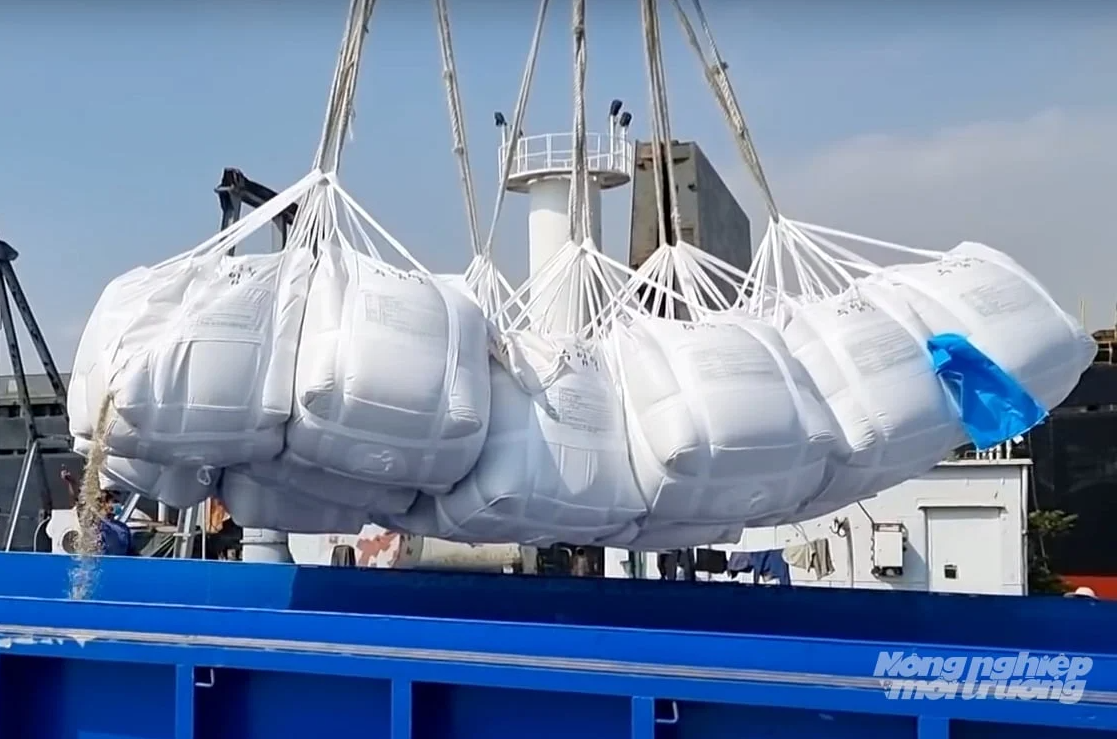
Viet Nam secured a tender to supply 10,000 tonnes of long-grain broken rice at approximately USD 436 per tonne. Thailand won contracts for 11,500 tonnes of long-grain broken rice and fragrant rice, priced at USD 481-1,193 per tonne.
According to the Viet Nam Food Association (VFA), long-grain rice varieties developed domestically are becoming increasingly popular in South Korea. For example, in Seoul, Chipotle uses IPS, a domestically developed Indica variety grown in Haenam.
Developed by Professor Chin Joong-hyoun of Sejong University, IPS has longer, less sticky grains, making it suitable for dishes such as burrito bowls, fried rice, pilaf, and curry. The variety was developed partly in response to climate change and changing agricultural production conditions. Commercial production began in 2021, and the rice is now available through retail channels.
The South Korean government is also investing 19 billion won in research and development of long-grain rice varieties and production technologies through 2029. This trend reflects the country’s efforts to diversify beyond traditional short-grain rice and expand its domestic long-grain rice industry.
Son Trang