Da Nang establishes its first plastic-free tourist street
Selecting Ha Bong as Da Nang's first pilot plastic-free street aims to link plastic reduction goals directly with tourism activities.
Da Nang has launched a model “Single-Use Plastic-Free Street” on Ha Bong Street in An Hai Ward to reduce plastic waste from tourism, services, and residents’ daily activities.
The initiative is part of the “Promoting the Reduction of Single-Use Plastics in An Hai Ward” program and is being piloted on Ha Bong Street, an area with a high concentration of accommodation facilities, eateries, and tourism-related services. The model will be evaluated before consideration is given to expanding it to other areas.
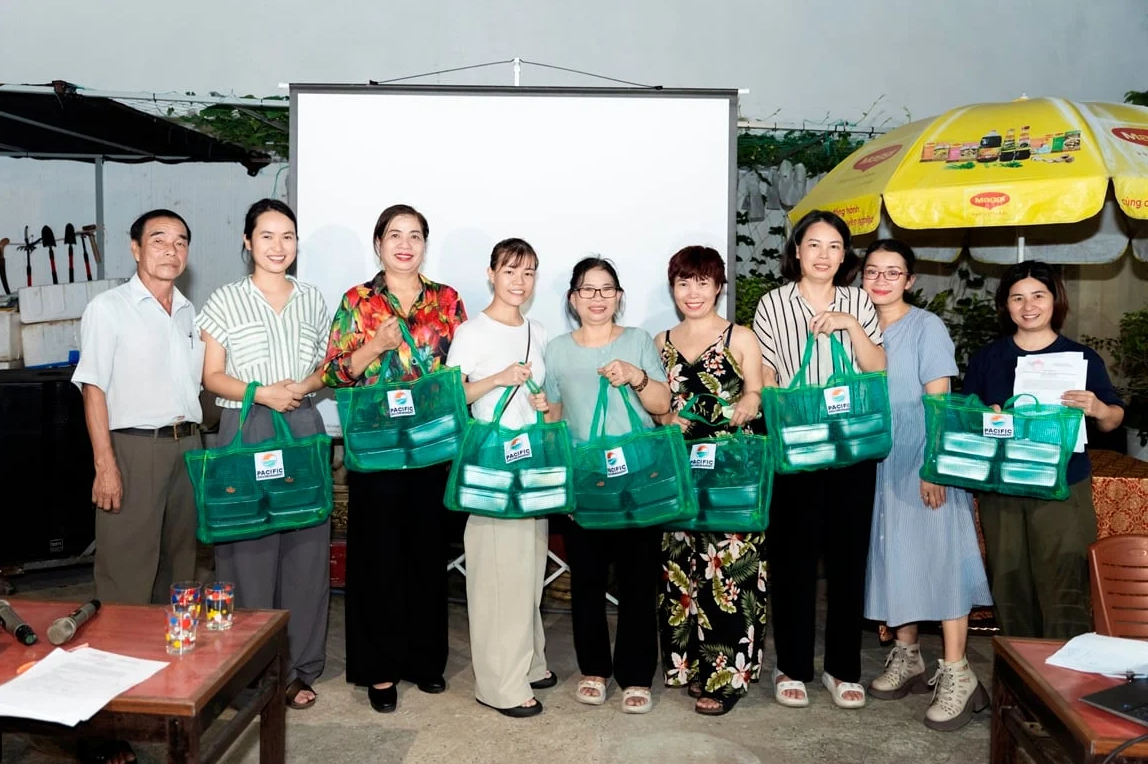
Under the plan, from now through the end of 2027, households and businesses in accommodation, food service, retail, laundry, healthcare, and other sectors along the street will gradually adopt environmentally friendly practices. The city encourages businesses serving tourists to meet its green tourism criteria.
The program aims for at least 80% of businesses and households along the street to practice daily plastic reduction. Rather than applying a one-size-fits-all approach, it develops solutions tailored to different groups, focusing on reducing the use of plastic bottles, plastic bags, food containers, and other single-use products.
To make plastic reduction more convenient, the program has installed drinking water refill stations, biological cleaning solution refill points, and collection points for recyclable waste along the street. Residents and visitors can access free drinking water, reducing bottled water use, while households and businesses can also access biological cleaning solutions for daily use.
Alongside source reduction, the program strengthens collection of bottles, packaging, food containers, and other recyclable waste, helping keep waste off streets and beaches. The approach aims to establish a circular process within residential and tourism business areas, from reducing consumption and reusing products to collection and recycling.
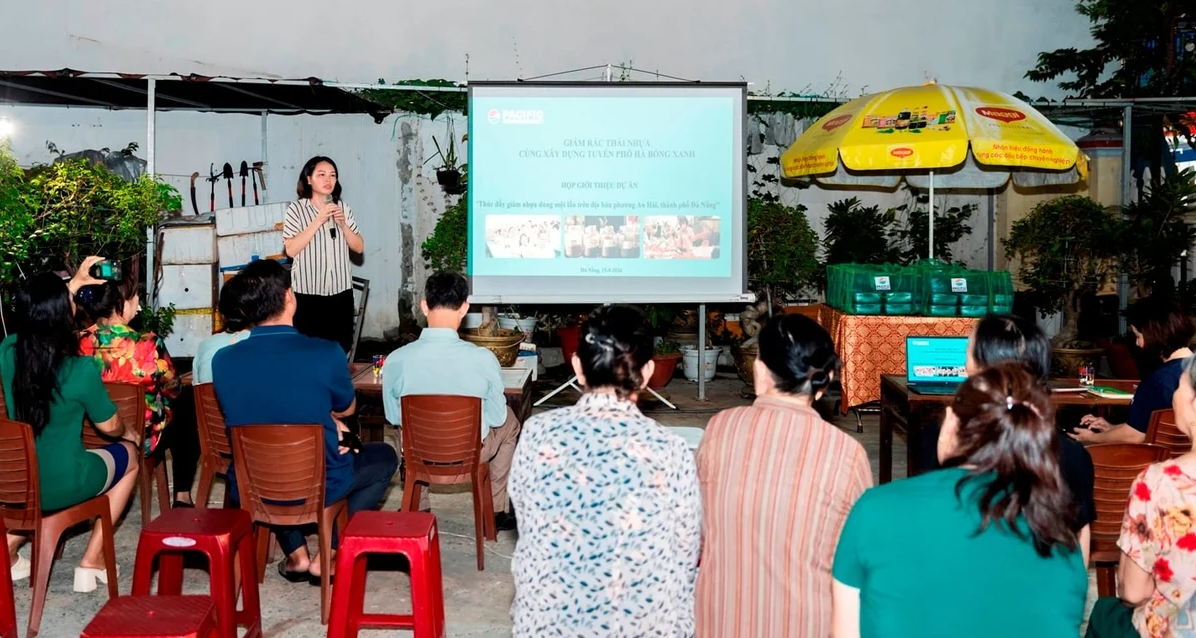
Quach Thi Xuan, Country Director of Pacific Environment Vietnam (PEVN), said PEVN designed and implemented the program in coordination with the An Hai Ward People’s Committee to mobilize residents, businesses, schools, and tourism service providers to change their habits around single-use plastics.
According to Xuan, each participating household also receives a reusable shopping basket and a set of reusable food containers. These practical items help residents begin changing their daily routines and gradually turn plastic reduction into a habit, rather than limiting it to short-term campaigns.
Ha Bong Street was selected as the pilot street to directly link plastic waste reduction with tourism activities. When residents, businesses, and visitors all take part, a cleaner street not only improves the urban landscape but also helps build the image of a green and environmentally friendly destination.
According to a GreenHub survey, Da Nang generates more than 1,100 tonnes of waste each day, with plastic waste accounting for more than 22%. Reducing plastic waste at the household and busy tourist-street level is therefore a practical way to ease pressure on waste collection and treatment while protecting the urban environment and beaches.
Lan Anh