To leverage greater acacia value for 1.5 million households
Developing a sustainable acacia value chain requires improved support mechanisms for forest growers and credit policies that encourage investment in large plantations and deep processing.
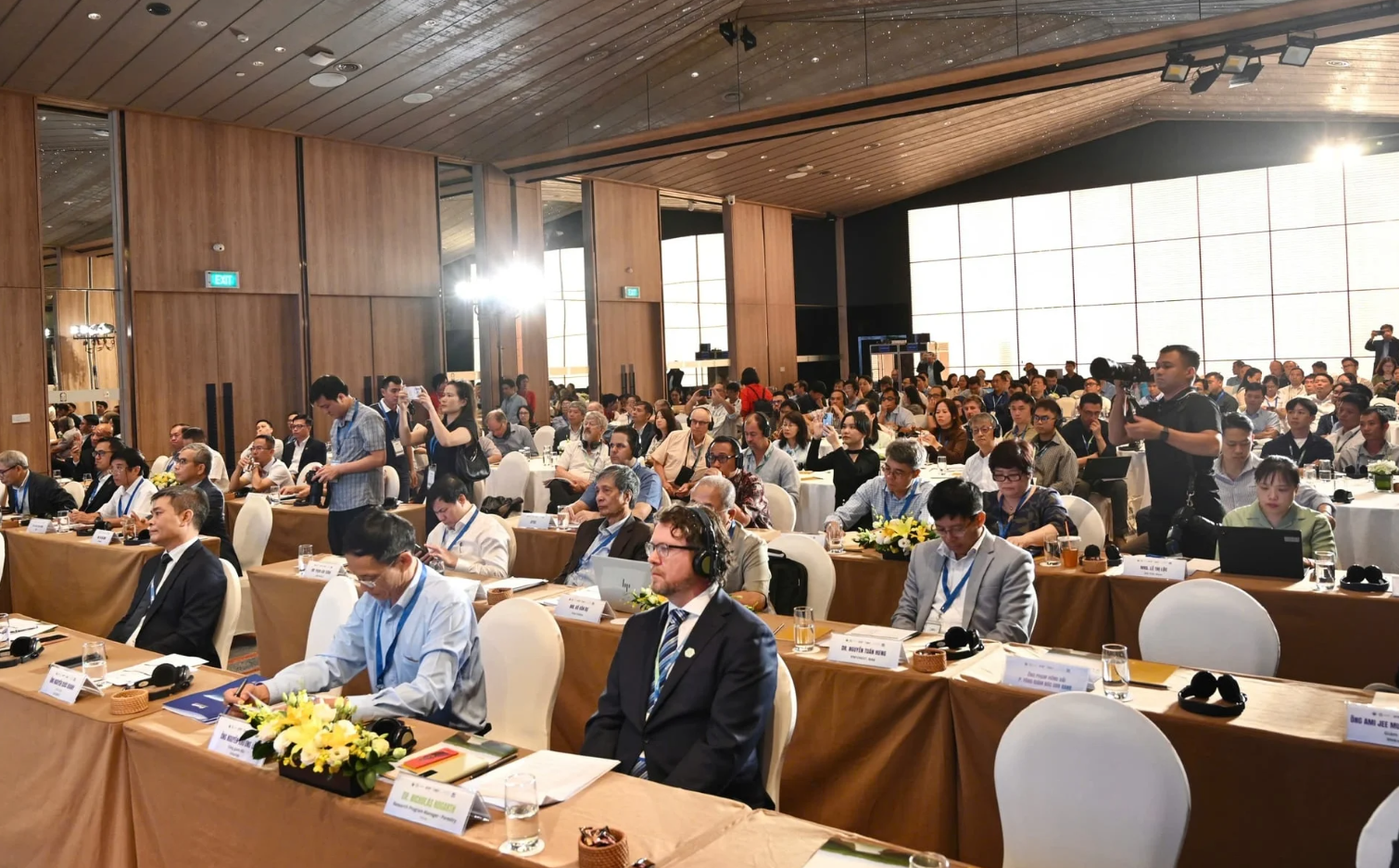
On October 8, the Vietnamese Academy of Forest Sciences, in collaboration with the Viet Nam Timber and Forest Products Association, the Australian Centre for International Agricultural Research (ACIAR), Australian Aid, and the International Union of Forest Research Organizations (IUFRO), organized the Forum on Connecting Research, Industry and Innovation in Sustainable Acacia Value Chains.
Research priorities for acacia by 2035
Viet Nam currently has approximately 2.5 million hectares of acacia plantations, out of around 3.5 million hectares worldwide. Acacia is a major source of raw materials for the wood industry and is closely linked to the livelihoods of approximately 1.5 million households. Improving the efficiency of acacia plantations directly affects forest growers, the competitiveness of enterprises, and the added value of the wood processing and forest product export sectors.
Viet Nam began developing acacia plantations on a large scale in the 1990s, with the selection and introduction of hybrid acacia marking a new phase of development. Since 2010, the approach has gradually shifted from planting forests primarily to green bare land toward developing larger timber plantations for multiple uses and higher value.
Speaking at the forum, Deputy Minister of Agriculture and Environment Nguyen Quoc Tri said: “The achievements in developing acacia plantations are a source of pride, representing the efforts of generations of policymakers, scientists, businesses and forest growers.”
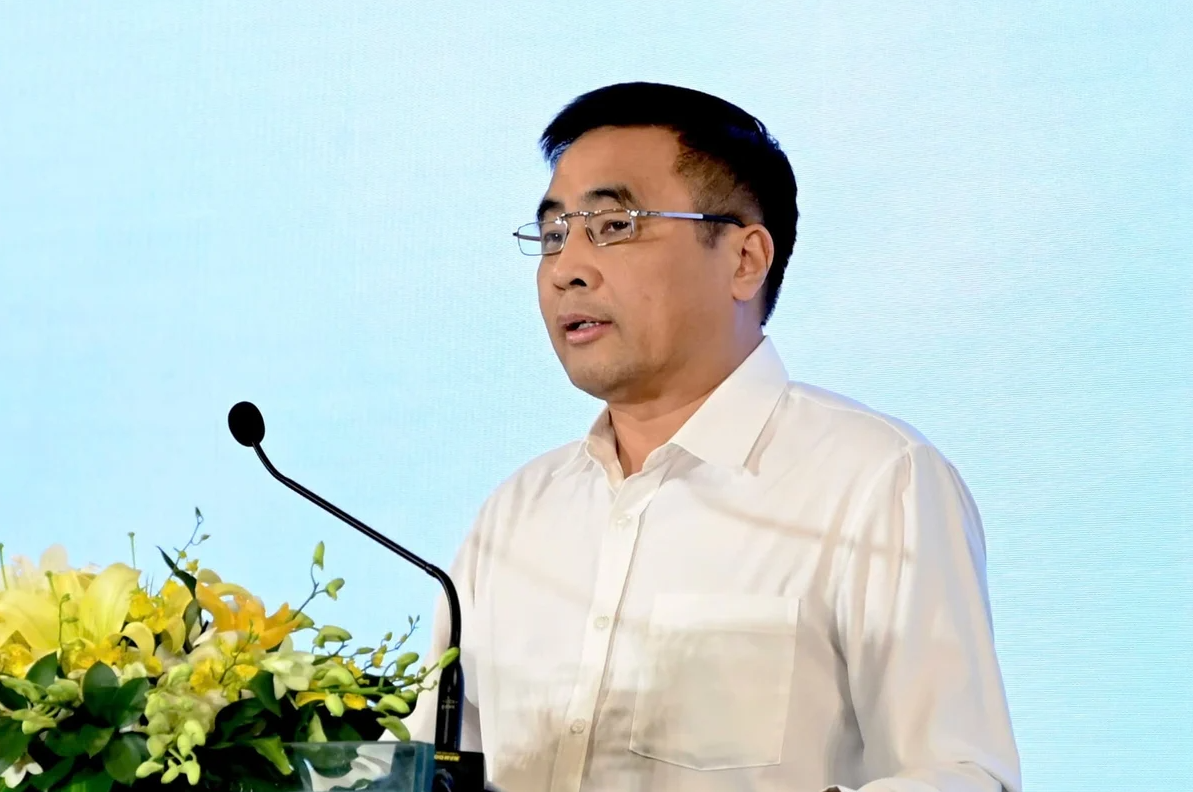
According to the Deputy Minister, the forestry sector has received significant investment in research in recent years, with numerous studies and programmes capable of being translated into practical applications. At the same time, the sector has identified the need to develop appropriate support mechanisms to enable smallholder forest growers to participate in sustainable forest management; promote long-term, transparent linkages between processing plants and raw material areas; and introduce credit solutions, plantation forest insurance and incentives to encourage investment in large-timber plantations, deep processing, traceability and higher value across the entire value chain.
Based on discussions at the forum, research priorities through 2035 include multi-trait breeding for greater resilience; differentiating forest characteristics according to site conditions and risks; improving forest health and biosecurity; developing deep processing, new materials and a circular economy; as well as research on economics, policy and carbon.
In 2025, Viet Nam’s wood and forest product exports reached approximately US$17.2 billion. However, a large proportion of plantation timber is still used to produce woodchips and wood pellets. According to Nguyen Quoc Khanh, Chairman of the Viet Nam Timber and Forest Products Association (VIFOREST), “The highest value is created at the end of the value chain.” The wood industry needs to shift more from woodchips toward veneer, plywood, MDF, engineered wood, components and furniture - products with greater design content and higher added value.
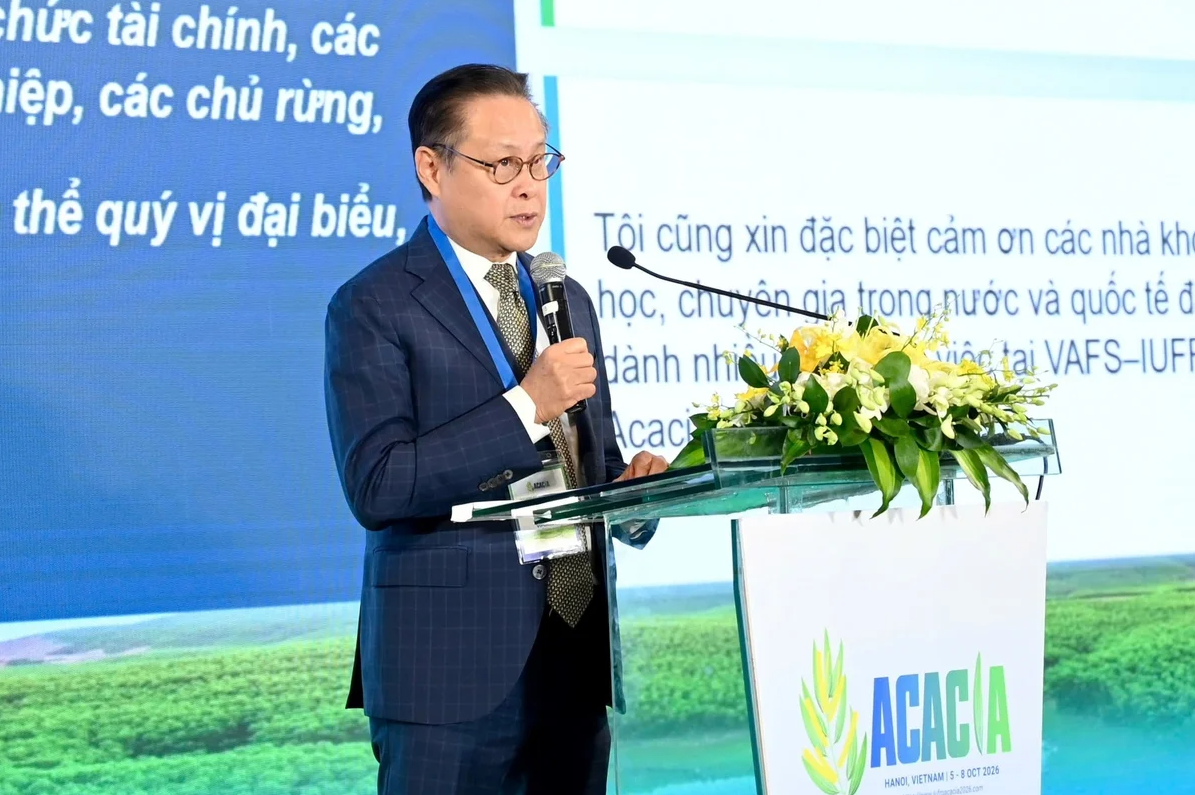
To ensure that each cubic metre of timber generates greater value, a coordinated approach is needed across science, production, finance, design, markets, ESG requirements and policy. This includes credit mechanisms suited to the long production cycle of forest plantations, forest protection and insurance schemes, long-term partnerships between enterprises and forest growers, forest certification and carbon credits.
VIFOREST also proposed gradually building the “Vietnamese Acacia” brand, with the aim of making acacia a material recognized and chosen by international markets, backed by clear traceability, renewability, responsible management, sustainable production and appropriate design.
Long-term investment in wood-based raw material industry
Nicholas Hogarth, Director of the Forestry Program at the Australian Centre for International Agricultural Research (ACIAR), said he was impressed by a field trip to Tuyen Quang Province as part of the forum.
He highlighted the scale of the sector, linkages between raw material areas and processing facilities, and the range of businesses and smallholder growers involved, including FSC-certified growers, wood processing and small- to medium-scale veneer production facilities, as well as large-scale furniture manufacturers.
“What we witnessed was not simply a successful plantation forestry sector, but also a process of transformation in rural areas,” he said.
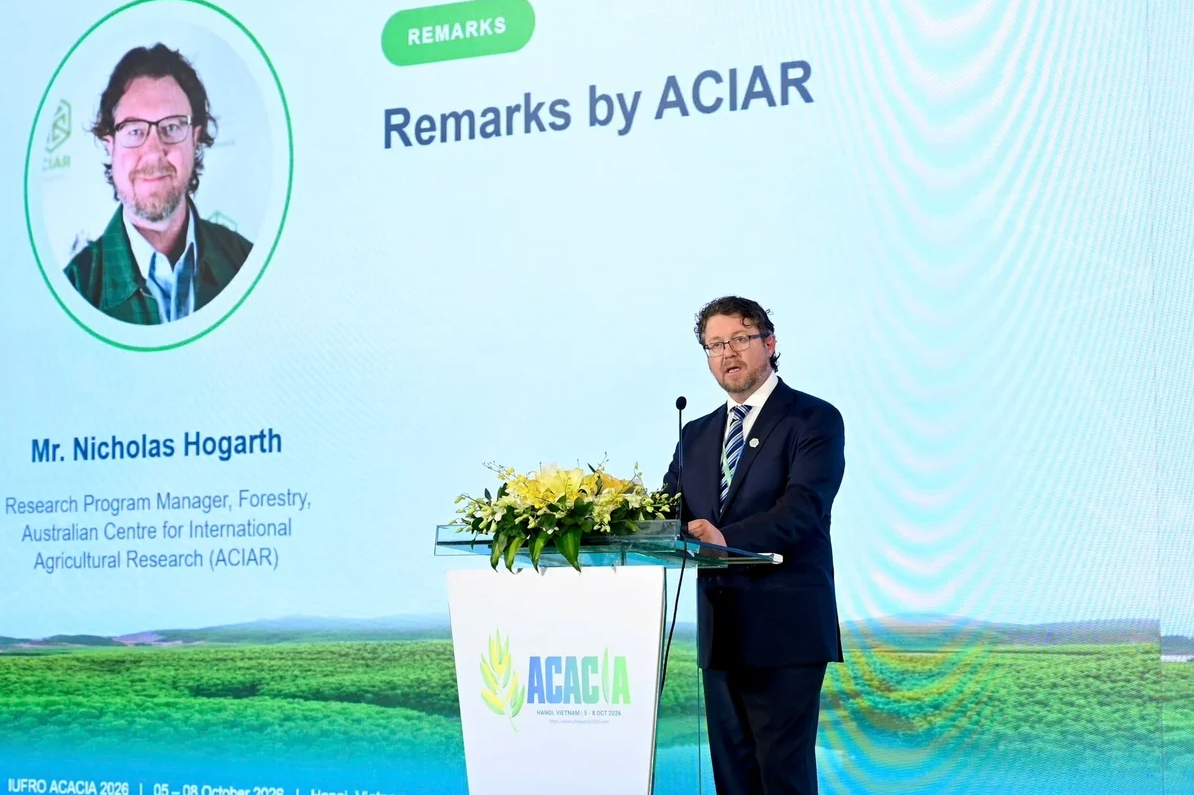
Over the past three decades, ACIAR has invested approximately AUD 28 million in forestry-related research in Viet Nam, implementing 16 projects alongside investments in infrastructure, research and training. These programmes have covered a wide range of areas, from genetic resources, tree improvement, silviculture and soil management to processing, value addition and, more recently, policy.
According to him, the achievements of Viet Nam’s plantation forestry sector are the result of contributions from numerous organizations and partners. This provides a foundation for scientists, government agencies, businesses and forest growers to continue working together on research, technological innovation, financial mechanisms and market development, thereby increasing the value of acacia plantations and strengthening the foundation of Viet Nam’s wood industry.
Regarding the challenges facing acacia, a report by VAFS identified the narrow genetic base of acacia plantations as a challenge for breeding. The risks posed by storms and floods directly affect production cycles and economic efficiency. Meanwhile, extending forest rotations places greater demands on soil management, forest health and pest and disease control.
Kieu Chi