Responding to climate change in a new era
At the Quy Nhon Dialogue on Climate and Transition, Deputy Minister of Agriculture and Environment Le Trong Yen outlined 6 key priorities for addressing climate change.
Green transition is an inevitable trend
According to Deputy Minister Le Trong Yen, climate change is no longer solely an environmental issue but is increasingly intertwined with economic growth, energy security, food security, trade, supply chains and financial stability.
Deputy Minister Le Trong Yen noted that the global green transition is gaining momentum, with many countries accelerating renewable energy development, improving energy efficiency, investing in power grids, energy storage and low-emission technologies, and promoting circular economies and carbon markets. Carbon emission requirements and environmental standards across production chains are also becoming increasingly integrated into trade and investment policies.
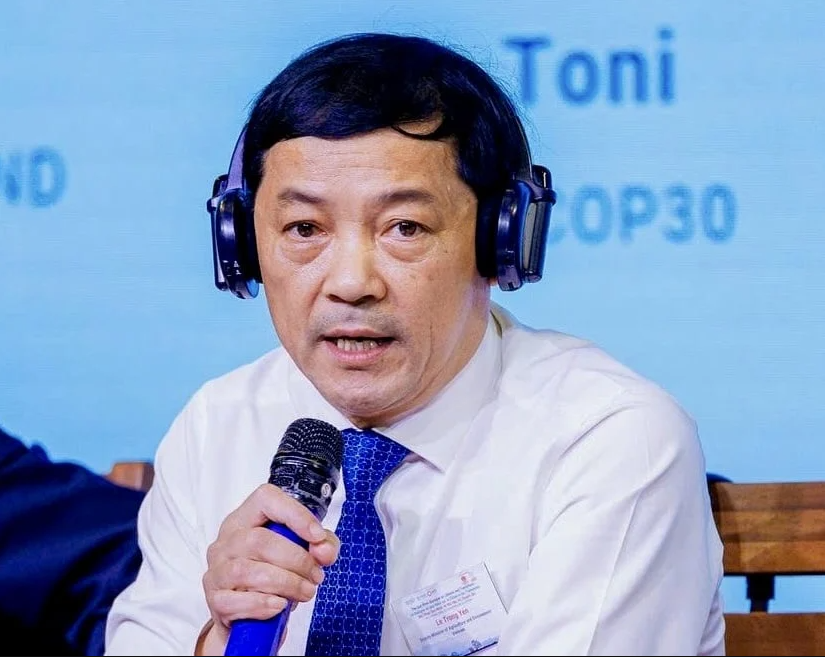
“More than a decade after the adoption of the Paris Agreement on climate change, the world is increasingly shifting from commitments to implementation. Countries that proactively strengthen their institutions, technologies, infrastructure, human resources and carbon management capabilities will be better positioned to attract investment, integrate more deeply into global value chains, unlock new drivers of growth and enhance their international standing,” Deputy Minister Le Trong Yen said.
He added that, as a highly open developing economy deeply integrated into global trade and supply chains while remaining highly vulnerable to climate change, Viet Nam recognizes that the green transition is both an inevitable necessity and an opportunity to transform its growth model and strengthen economic competitiveness.
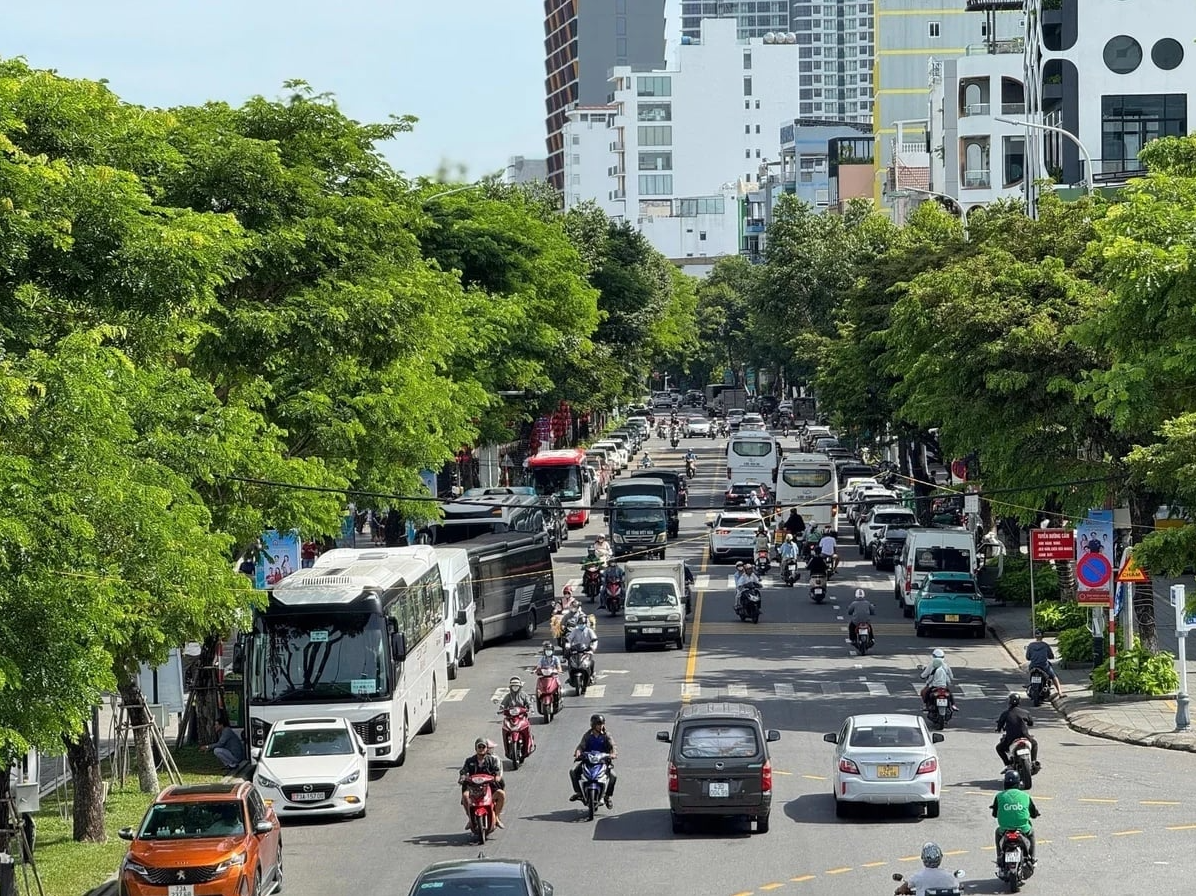
At the 26th Conference of the Parties to the United Nations Framework Convention on Climate Change (COP26), Viet Nam pledged to achieve net-zero emissions by 2050. This commitment reflects not only the country's climate ambitions but also its strategic vision to proactively embrace global development trends and build a green, modern and highly competitive economy over the long term.
Deputy Minister Le Trong Yen emphasized that, alongside completing the restructuring of its administrative apparatus and implementing the two-tier local government model, the Vietnamese Government has gradually strengthened its policy and legal frameworks to address barriers to the green transition. These efforts include policies on investment, science and technology development, carbon market development, green finance mobilization and access to international funding.
The green transition is gaining momentum across economic sectors, from energy, transport and construction to agriculture. Many localities have leveraged their strengths to promote afforestation and forest restoration while assessing opportunities to participate in carbon markets across sectors such as energy, waste management, transport, crop production, fisheries, and forest protection and development.
“The initial results are encouraging, but significant challenges remain ahead,” Deputy Minister Yen said.
He noted that Viet Nam faces the challenge of pursuing ambitious climate targets while maintaining rapid economic growth, ensuring energy security and improving people's living standards.
Meanwhile, international market requirements are evolving rapidly. Carbon pricing mechanisms are expanding, and the European Union officially began implementing its Carbon Border Adjustment Mechanism (CBAM) in 2026. These developments highlight how the ability to measure, manage and reduce the carbon footprint of products is increasingly becoming a key factor in international competitiveness.
6 key priorities
Deputy Minister Le Trong Yen noted that the green transition requires substantial financial resources, while countries differ significantly in their access to finance, technology and other resources. International cooperation should therefore place greater emphasis on mobilizing and effectively combining public funding, concessional finance and private investment to support the green transition.
Against this backdrop, Viet Nam remains firmly committed to its national development goals, recognizing green growth and sustainable development as strategic and irreversible choices. The country identifies the development of a green economy, circular economy, knowledge-based economy and digital economy, underpinned by science, technology, innovation and digital transformation, as key pillars of rapid and sustainable development. Climate change response is regarded as an essential foundation for the green transition, improving the quality of economic growth, productivity and national competitiveness.
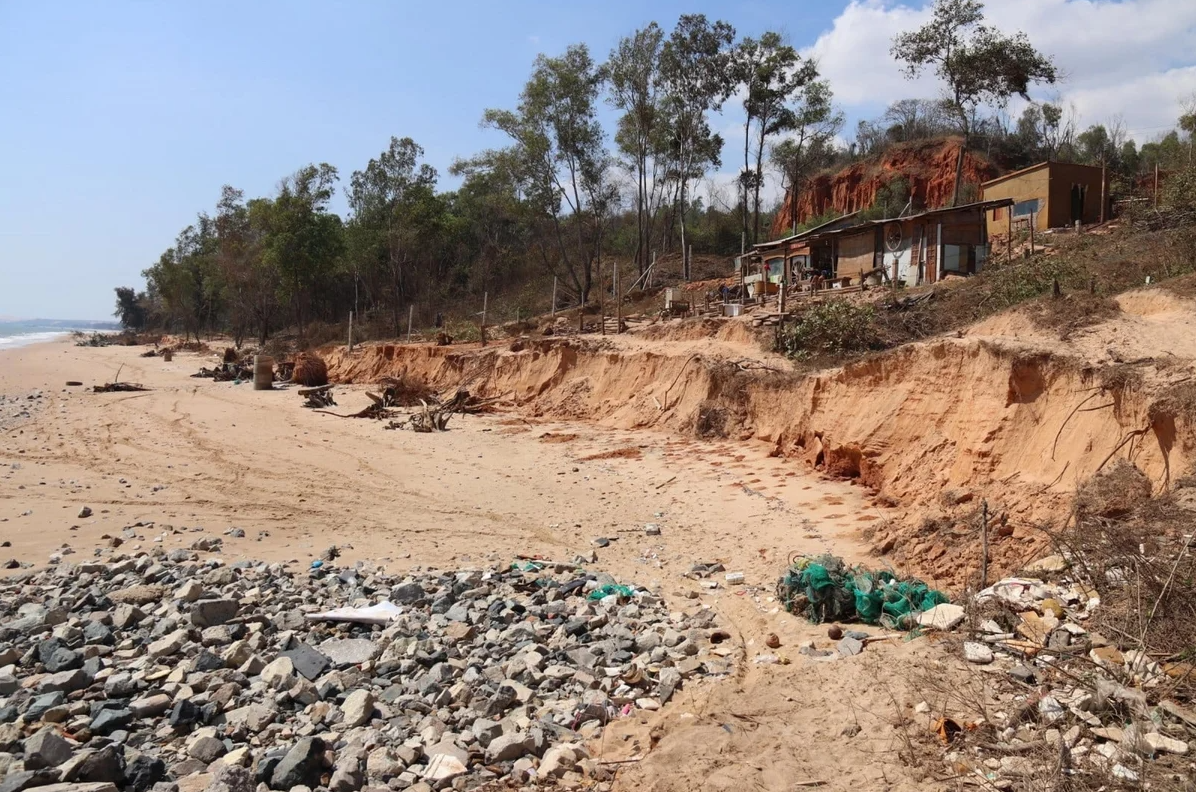
To translate this strategic vision for climate change response and the green transition into concrete action, Viet Nam is focusing on 6 key priorities.
First, strengthening the enabling institutional framework. Viet Nam will continue to improve its policies and legislation on climate change adaptation, greenhouse gas emission reduction, ozone layer protection and carbon market development. A key priority is drafting a Law on Climate Change for submission to the 16th National Assembly. The country will also strengthen greenhouse gas inventories and measurement, reporting and verification (MRV) systems in line with international standards to enhance the transparency of climate action.
Second, achieving breakthroughs in science, technology and innovation. The green transition must go hand in hand with digital transformation. Viet Nam will develop special mechanisms to master strategic technologies in the circular economy, industry, construction and agriculture, helping establish more sustainable production and consumption models while improving productivity, quality and economic competitiveness.
Third, diversifying financial resources for climate change response. Viet Nam will strengthen the catalytic role of the state budget while mobilizing and effectively utilizing resources from society, international financing, global climate funds, green finance, green investment, official development assistance (ODA), concessional loans and other legitimate sources. These resources will support the development of a green, low-carbon economy and climate change adaptation.
The country will also actively participate in international cooperation mechanisms on climate finance, technology transfer and carbon market development, while fulfilling its international climate commitments.
Fourth, ensuring energy security alongside a green and sustainable energy transition. Energy security must be closely aligned with the transition towards a greener and more sustainable energy system. Viet Nam will promote the development of appropriate renewable and new energy sources, improve energy efficiency and conservation, and gradually reduce the carbon intensity of its economy.

Fifth, proactively adapting to climate change and promoting nature-based solutions. Viet Nam will prioritize investment in infrastructure resilient to natural disasters and climate risks, while implementing region-specific adaptation measures, particularly nature-based and ecosystem-based solutions in high-risk areas. The country will also harness natural ecosystems' carbon sequestration potential to support sustainable livelihoods.
Sixth, strengthening international cooperation and climate diplomacy. Viet Nam will continue to actively contribute to shaping regional and global climate initiatives, agreements and cooperation mechanisms, while mobilizing resources and facilitating access to and transfer of advanced green technologies from development partners.
According to Deputy Minister Le Trong Yen, proactively adapting to climate change and achieving net-zero emissions by 2050 go beyond reducing greenhouse gas emissions. These efforts represent a broader journey towards building a prosperous, modern and globally integrated Viet Nam in the new era.
“I hope the Quy Nhon Dialogue will become an increasingly influential forum where science connects with policy, policy connects with resources, and ideas for transition are translated into concrete action,” Deputy Minister of Agriculture and Environment Le Trong Yen emphasized.
Vu Dinh Thung - Tuan Anh