£2.4 million's Scotland funding to reduce antibiotic use in pangasius farming
An international project led by the University of Stirling will investigate antibiotic use in Viet Nam’s pangasius industry, to develop sustainable disease management solutions.
The University of Stirling in Scotland has received £2.4 million in funding to implement an international research project on antimicrobial resistance in Viet Nam’s pangasius farming industry. The funding is part of an investment of more than £54 million in 18 research and innovation projects coordinated by UK Research and Innovation (UKRI), focusing on tackling infectious diseases, antimicrobial resistance and the development of next-generation veterinary vaccines.
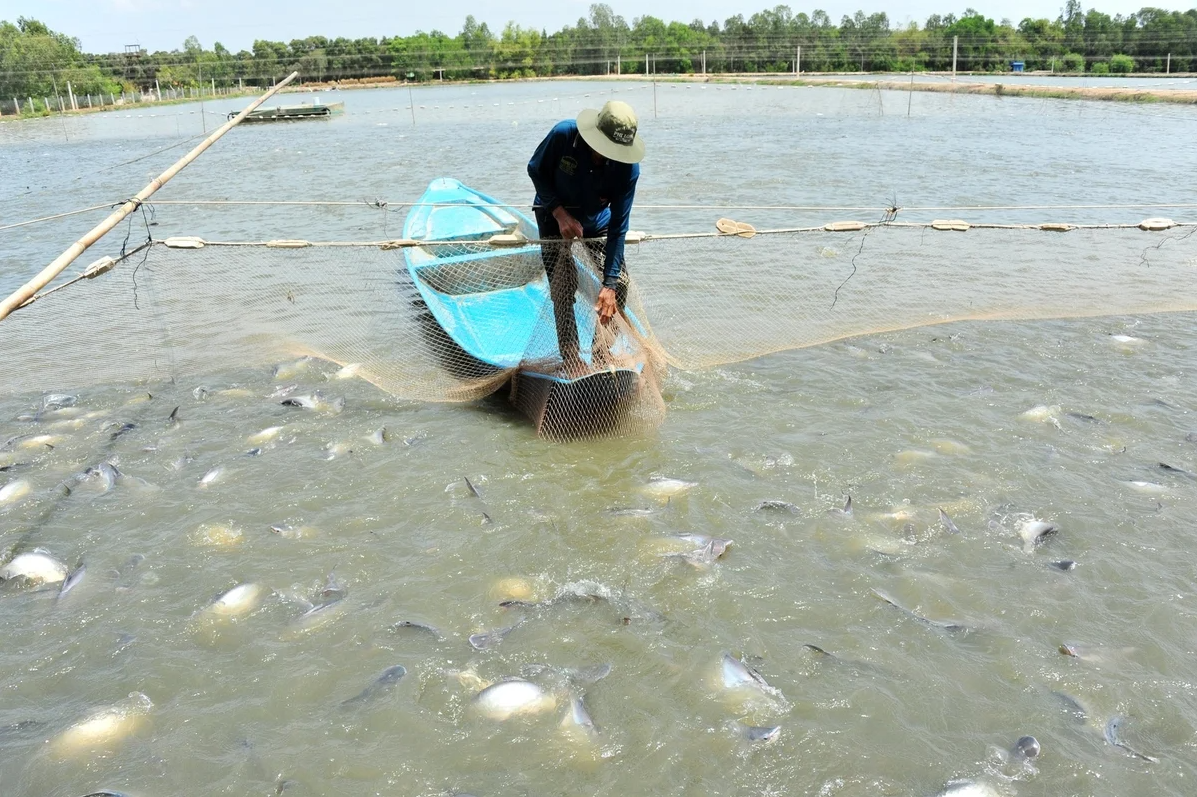
The 48-month project aims to develop practical alternatives to antibiotic use in freshwater aquaculture. It is led by the Institute of Aquaculture at the University of Stirling, in collaboration with the University of Glasgow, the University of Sydney, Can Tho University and Viet Nam National University.
The research team will investigate the causes, mechanisms and transmission of antimicrobial resistance in freshwater environments, while identifying barriers that prevent farmers from adopting alternative approaches. The findings are expected to support the development of disease management measures suited to real-world production conditions.
According to Professor Margaret Crumlish of the University of Stirling, antimicrobial resistance is a global challenge linked to human, animal and environmental health. Aquatic environments play a significant role in the emergence and spread of antimicrobial resistance, while aquaculture depends on and interacts closely with these ecosystems.
Focusing on Viet Nam’s pangasius industry will enable the research team to examine how antimicrobial resistance develops, its impact on production, and the potential for adopting more sustainable disease management practices.
A key focus of the project is the choices farmers face when antibiotics are no longer effective. Professor Crumlish noted that in freshwater ecosystems across Southeast Asia, farmers often have few alternatives and may continue using antibiotics even as their effectiveness declines. This situation raises growing concerns about antimicrobial resistance and its implications for human health, animal health and the environment.
To address these challenges, the project combines expertise in aquaculture, microbiology, veterinary science and environmental science with social sciences and humanities. This interdisciplinary approach aims to clarify both the biological factors involved and the factors influencing farmers’ decisions to use antibiotics and their willingness to adopt new solutions.
During implementation, the research team will work directly with farmers, policymakers, businesses and other stakeholders. This approach aims to ensure the proposed measures are scientifically sound and practical for use in production.
The project also builds on the University of Stirling’s previous research into next-generation fish vaccines, including trials conducted at the university’s National Aquaculture Technology and Innovation Hub. The project will use and share data from these studies with stakeholders to support disease management and promote the responsible use of antibiotics.
Through its research in Viet Nam, the project also aims to develop an adaptable framework that can be applied in other countries facing similar challenges in freshwater aquaculture.
£ 1 = 34,759 VND (Source: Vietcombank).
Ha Duyen