Cooperation advances sustainable cooling and ozone layer protection
International cooperation and innovation in sustainable cooling technologies are key to helping countries phase out ozone-depleting substances and address climate change.
Recently, the Department of Climate Change under the Ministry of Agriculture and Environment, in collaboration with the United Nations Environment Programme (UNEP), organized the “Network Meeting of Ozone Officers for South Asia, Southeast Asia and the Pacific Island Countries” in Ho Chi Minh City. The event brought together international delegates, experts and officials responsible for ozone layer protection from countries across the region.
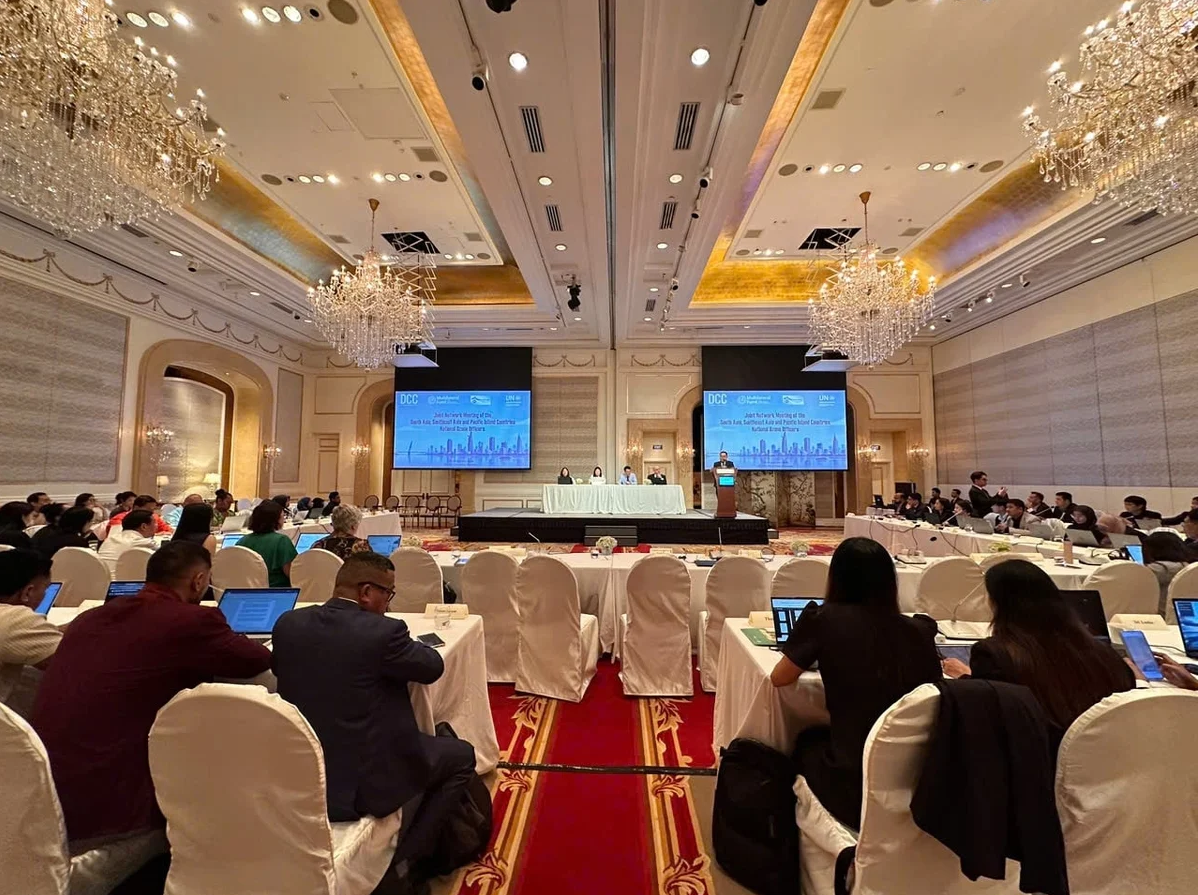
At the meeting, experts discussed and shared experiences implementing international commitments on ozone layer protection, reviewed progress on the Montreal Protocol and the Kigali Amendment, and assessed progress and discussed solutions to phase out ozone-depleting substances and hydrofluorocarbons (HFCs), which contribute to global warming. They also provided guidance on updating and adopting advanced, climate-friendly technologies and sustainable cooling solutions.
Dechen Tsering, UNEP Regional Director for Asia and the Pacific, said the Montreal Protocol remains one of the most successful multilateral environmental agreements in history. Through science-based decision-making, international solidarity and sustained financial and technical cooperation, the Parties have made remarkable progress in phasing out ozone-depleting substances and protecting the ozone layer.
These efforts have also delivered significant climate benefits, demonstrating that multilateral cooperation can produce tangible, lasting results for people and the planet.
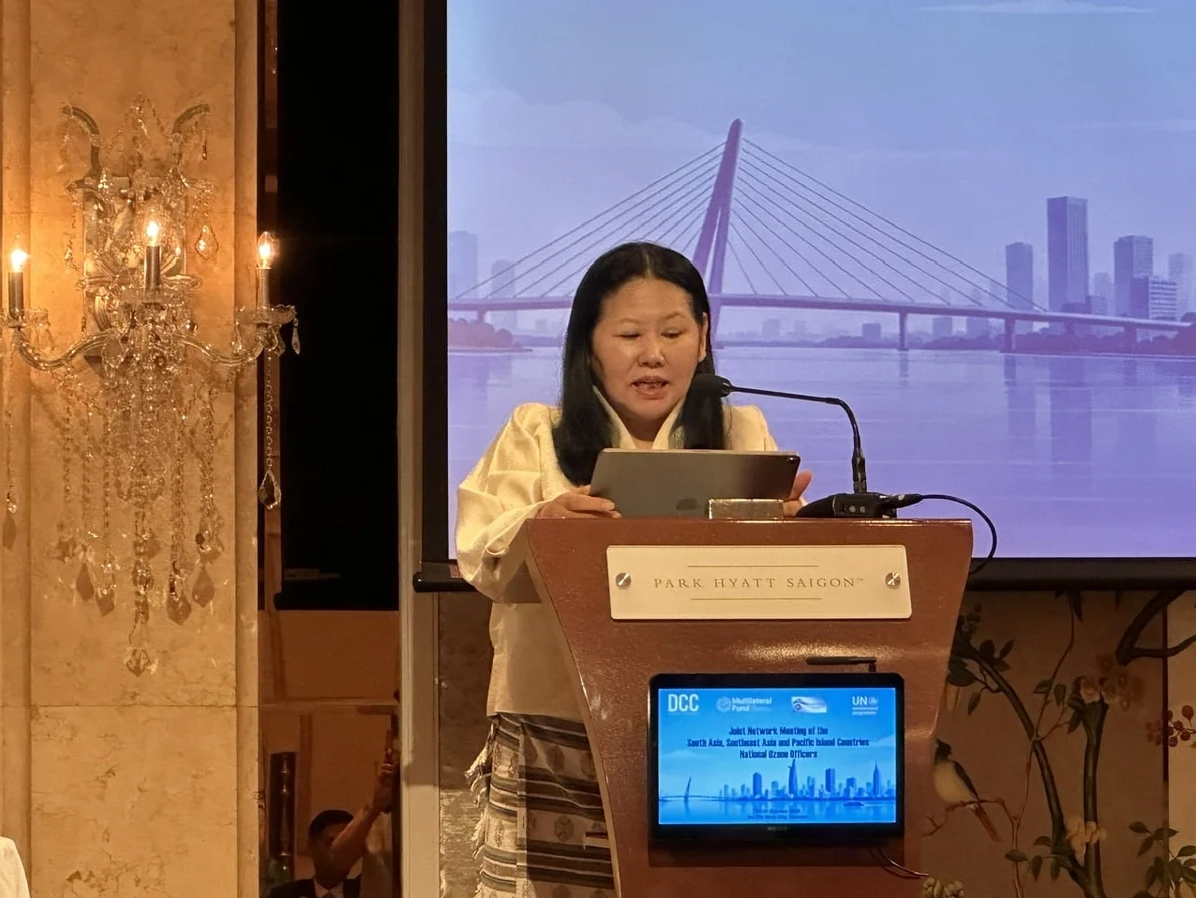
“The Protocol directly contributes to climate change mitigation, pollution reduction, environmental governance and sustainable development. It also highlights the growing need for integrated environmental solutions to address interconnected global challenges. Therefore, the work of national ozone units not only supports compliance with an international treaty but also advances broader development priorities at both national and global levels,” Dechen Tsering emphasized.
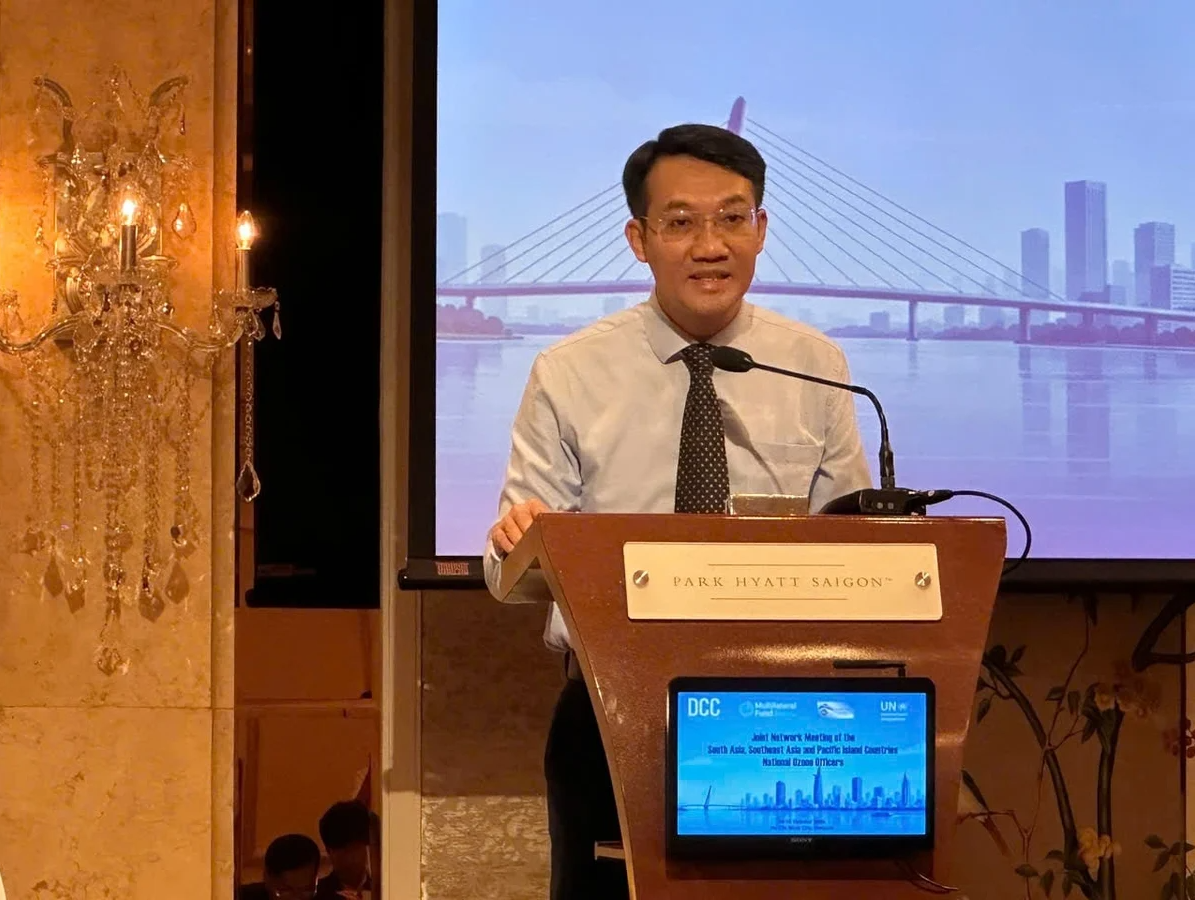
Bui Duc Hieu, Deputy Director General of the Department of Climate Change, said that amid rising global temperatures, urbanization and growing demand for cooling, ensuring access to efficient, safe and sustainable cooling solutions has become increasingly important, particularly in developing countries. This is essential for socio-economic development, public health and climate change adaptation.
This year's International Day for the Preservation of the Ozone Layer, themed “Global Action for a Cooler Planet,” sent a clear message: efforts to protect the ozone layer and address climate change must be strengthened through international cooperation, technological innovation, and sustainable cooling solutions.
“This calls for a more comprehensive approach that combines the phase-down of HFC consumption with improvements in energy efficiency, the development of alternative technologies, enhanced technical capacity and refrigerant management throughout the entire lifecycle,” Hieu said.
According to Hieu, the Montreal Protocol is one of the most successful multilateral environmental agreements, demonstrating the power of international cooperation, science-based policymaking, and commitments translated into concrete action. Its success is reflected not only in achievements in protecting and restoring the ozone layer, but also in tangible benefits for the environment and human health, as well as significant contributions to climate change mitigation.
However, implementing the Montreal Protocol presents new challenges that require greater attention and closer coordination among countries. These include ensuring effective implementation of HFC phase-down commitments; strengthening transparency, data reliability and the effectiveness of licensing and quota systems; preventing illegal trade in controlled substances; and promoting the transition to energy-efficient, climate-friendly cooling technologies.
In addition, lifecycle refrigerant management, including recovery, recycling, reclamation and appropriate disposal, is receiving increasing attention as an important approach to limiting emissions, using resources efficiently and promoting a circular economy.
Thuc Vy