Waste reduced by over 92% thanks to zero-waste model: Da Nang
Supported by international organizations, the zero-waste model in Nam Yen (Da Nang) has shown initial success in reducing rural waste and protecting the environment.
As community-based tourism continues to grow, household waste in Nam Yen Residential Area, Hai Van Ward, Da Nang City, has increased, highlighting the need for effective waste reduction and treatment. In response, the Hoa Bac Ecological Agriculture and Community-Based Tourism Cooperative introduced a Zero Waste model, with the participation of 50 households and four homestays.
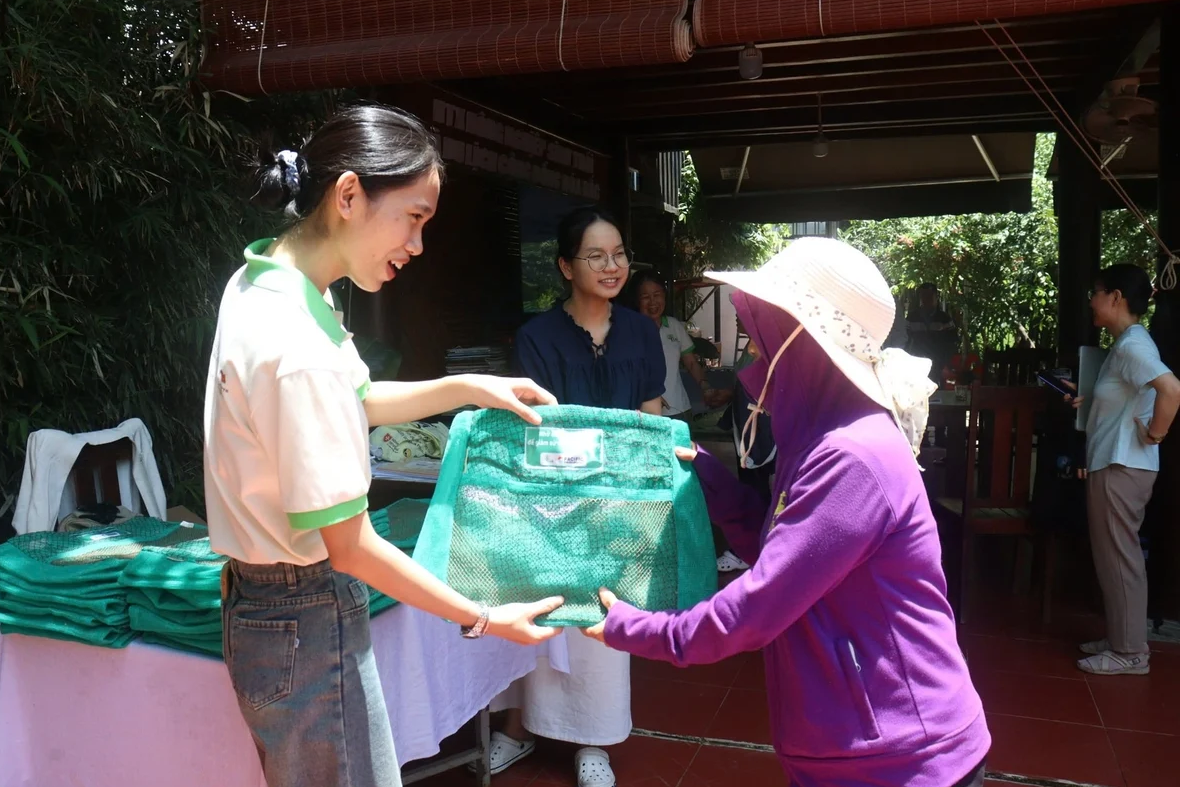
The initiative is part of the project “Promoting Plastic Reduction and Participatory Waste Management,” funded by Pacific Environment in Viet Nam (PE-VN), with technical support from the Da Nang Union of Science and Technology Associations and the Center for Adaptive Capacity Building (CAB). The project aims to help residents reduce plastic waste, promote reuse, segregate waste, treat it at source, and minimize the amount sent to centralized treatment facilities.
A key feature of the model is its emphasis on reducing waste at source by limiting single-use plastics, encouraging reuse, and promoting resource-conscious consumption.
Households separate their waste into three categories for appropriate treatment. They compost food and other organic waste into fertilizer or use it to produce biological cleaning solutions. Recyclable materials are collected and sold to recycling buyers, while only residual waste is taken to collection points for transportation to the Khanh Son Solid Waste Treatment Complex.
According to an assessment conducted after five months, the average amount of waste generated daily by each participating household fell by 94.7%, while the volume of waste delivered to collection points decreased by 92.2%.
At Hoa Chin Homestay, Nguyen Thi Hoa said the establishment had replaced plastic bottled drinking water with a water filtration system and reusable containers. Each guest room is equipped with a water jug and glass cups, while the camping area provides 20-liter water containers for visitors.
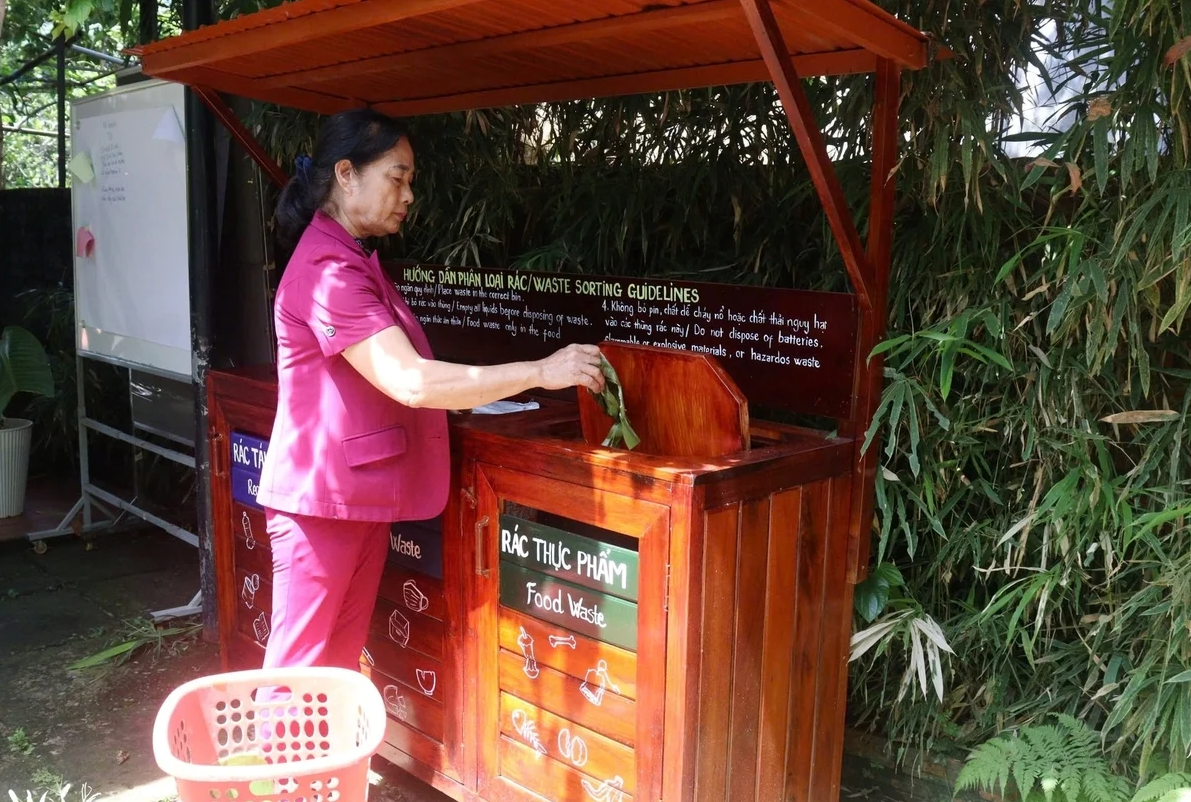
As a result, the number of plastic bottles discarded at the homestay has fallen by more than 50%. The establishment also separates waste and uses organic materials to produce compost and biological cleaning solutions, reducing the amount of waste requiring collection while building an environmentally friendly image among visitors.
Ho Tang Hoc, Head of Nam Yen Residential Area, said each household previously generated about 3.6 kg of waste per day. Since the model was introduced, this figure has dropped to just 0.19 kg per day. Notably, many households have developed habits of sorting, reusing and treating organic waste at home, helping prevent indiscriminate littering and maintain a clean, green and attractive residential environment.
“For homestay operators, reducing plastic waste and sorting waste at source also helps improve service quality, leave a positive impression on visitors and support the locality’s ecotourism development strategy,” Hoc said.
Building on these initial results, Nam Yen residents have called on Hai Van Ward authorities and relevant agencies to continue supporting and expanding the model. This approach is also well suited to rural, mountainous and dispersed residential areas, where waste collection and transportation remain challenging.
Lan Anh