Da Nang: Launch of organic waste segregation and treatment project
The source-segregation and organic waste treatment project in Hoa Khanh Ward and Hoi An aims to reduce pollution and greenhouse gas emissions.
Promoting waste segregation at source
On the morning of October 15, the Da Nang Department of Agriculture and Environment, in collaboration with the Pacific Environment and Resources Center (PE), held a workshop to launch the project "Promoting Household Solid Waste Segregation at Source and Organic Waste Treatment in Da Nang City," with pilot activities in Hoa Khanh and Hoi An wards.
According to a PE representative, the project will run from September 2026 to November 2027, with more than VND 1.6 billion in non-refundable grant funding provided by the organization.
The project focuses on developing and improving household solid waste segregation, collection, and treatment models tailored to local conditions.
In Hoi An Ward, the project will build on and improve the existing model for waste segregation, separate collection, and organic waste treatment in Cam Kim. In Hoa Khanh Ward, it will work with local authorities to develop and pilot a model linking waste segregation at source with the separate collection, transportation, and treatment of different waste types.
The project aims to engage more than 500 households across the two wards in waste segregation at source and train 30 waste management officials in developing community-based models for household solid waste segregation, collection, and treatment to reduce emissions.
Based on the pilot results, the project will support the development of an action plan to scale up solid waste management models at the ward level. It will also prepare a draft plan for solid waste management and methane emission reduction from organic waste in Da Nang City.
Scaling up sustainable waste segregation models
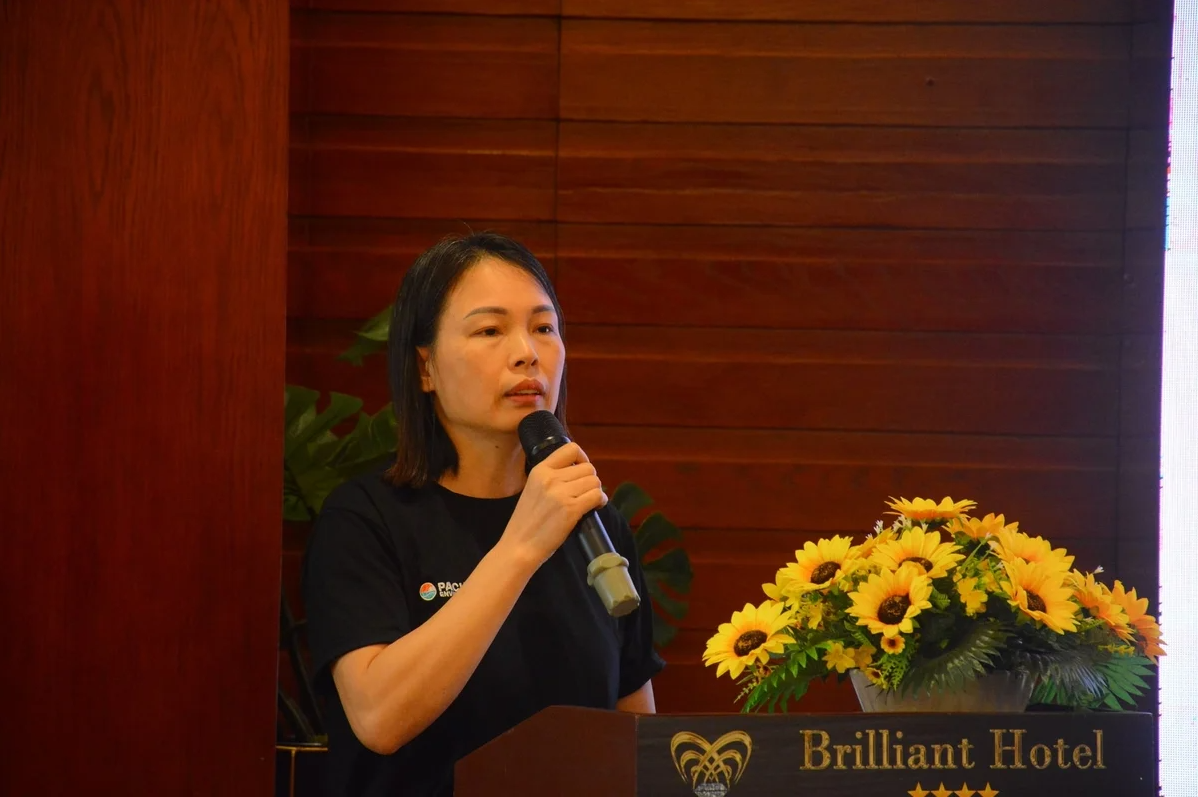
Speaking at the workshop, Quach Thi Xuan, Country Director of Pacific Environment in Viet Nam, said that waste segregation at source, separate collection, and appropriate organic waste treatment would not only ease pressure on waste treatment facilities, reduce pollution, and recover valuable resources but also help cut greenhouse gas emissions.
However, waste segregation can only be effective when different waste streams are collected separately, transported properly, and delivered to appropriate treatment facilities. If segregated waste is subsequently mixed together, public trust and motivation to participate will decline, making environmental goals harder to achieve.
Therefore, the project requires close coordination among local authorities, waste collection and treatment operators, businesses, and communities. In particular, clear coordination mechanisms are needed to ensure the models remain operational after project funding ends.
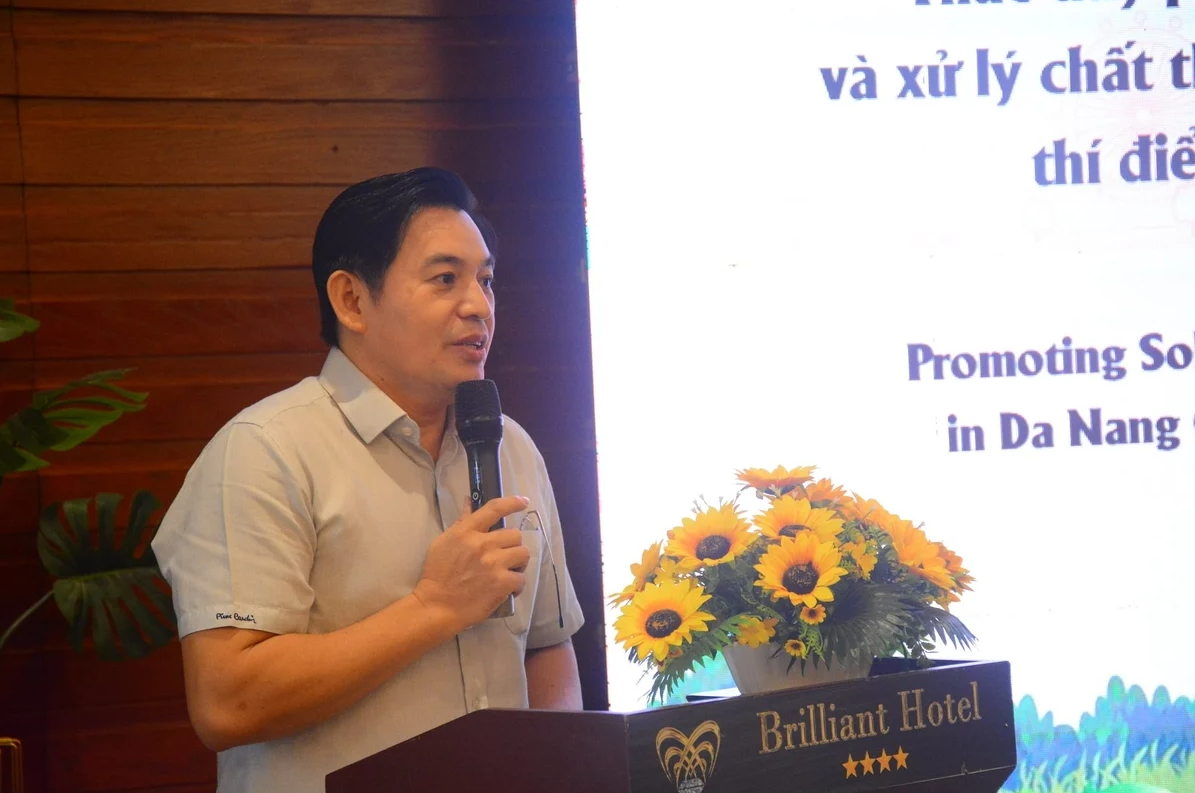
Appreciating PE's support for household solid waste management, Vo Van Long, Head of the Environmental Protection Sub-Department under the Da Nang Department of Agriculture and Environment, said the city is accelerating waste segregation at source to improve the efficiency of waste collection, recycling, and treatment.
Under Da Nang's Master Plan for 2021-2030, with a vision to 2050, the city aims to ensure that 100% of households, agencies, and organizations are equipped with knowledge of household solid waste segregation at source. It also targets waste segregation rates of over 75% across localities and over 30% in communes, taking local conditions into account.
However, limited resources make it difficult to implement these models simultaneously across the city. In practice, many previous waste segregation initiatives were concentrated in areas receiving project support. Once funding ended, segregation activities were not consistently maintained and had yet to become an established community habit.
"We expect this project not only to deliver results in Hoa Khanh and Hoi An wards but also to develop a practical implementation approach that will enable government agencies to evaluate the outcomes, draw lessons, and replicate the models in other localities," Long said.
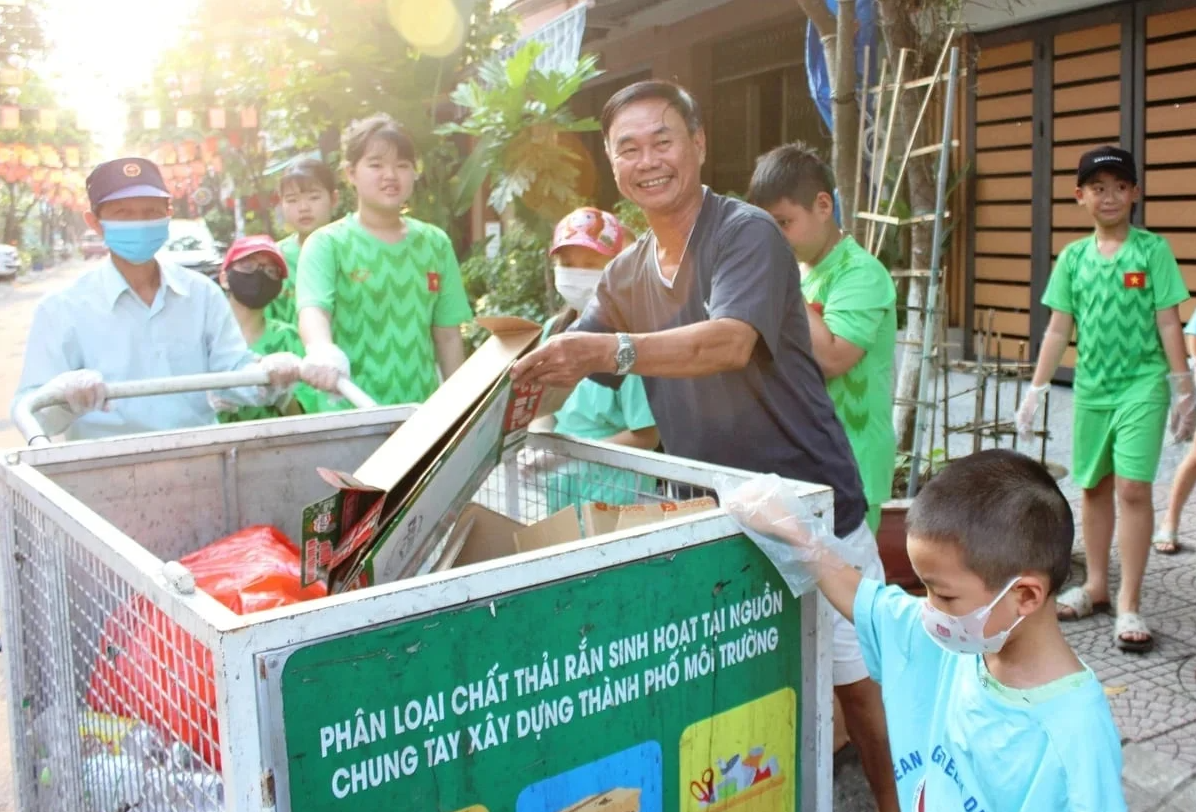
At the workshop, delegates exchanged international experiences in Zero Waste models, waste segregation at source, and organic waste treatment, while sharing practical lessons from the model implemented in Cam Kim, Hoi An Ward.
Participants also discussed coordination mechanisms among local authorities, waste collection and treatment operators, and communities, as well as infrastructure, resources, communication, and monitoring requirements to ensure the models operate effectively and sustainably.
Through the project, Da Nang City hopes to develop practical, replicable waste management models that will help reduce landfill waste and greenhouse gas emissions, contributing to its goal of becoming an environmentally friendly city.
Lan Anh