WMO recognizes Viet Nam's initative on El Niño response
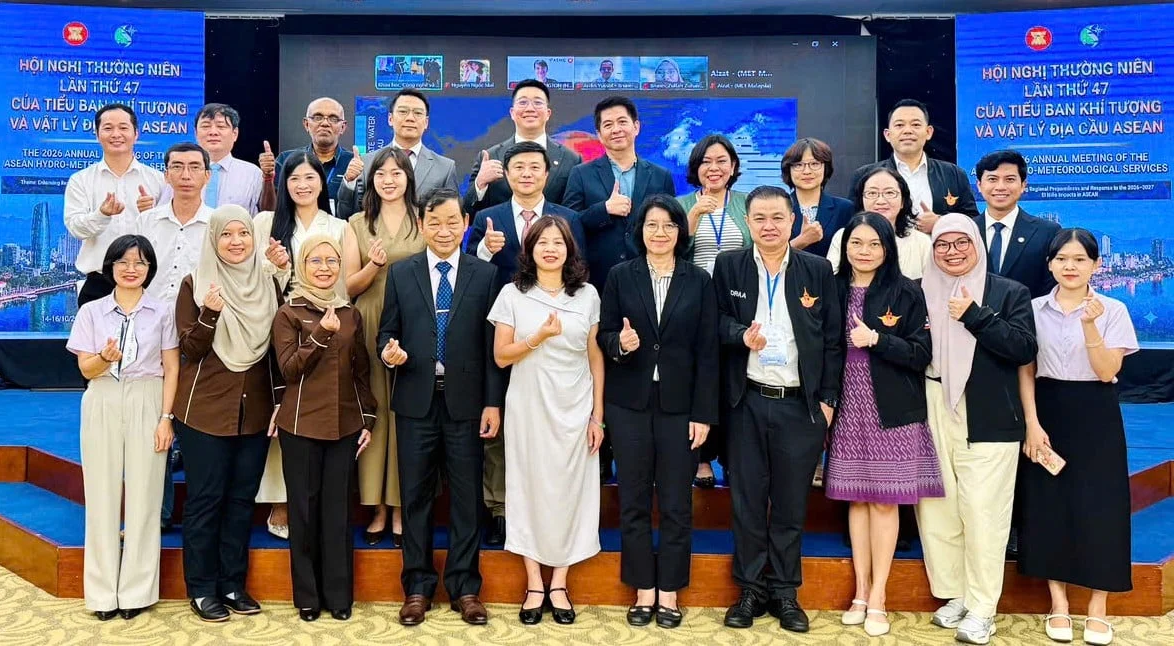
The 47th Annual Meeting of the ASEAN Sub-Committee on Meteorology and Geophysics opened in Da Nang.
The Viet Nam Meteorological and Hydrological Administration, under the Ministry of Agriculture and Environment, organized the conference on the theme “Strengthening Regional Preparedness and Response to El Niño Impacts in ASEAN 2026-2027.” Attendees included representatives from the World Meteorological Organization (WMO), partner organizations, and national meteorological services across Southeast Asian countries.
WMO Recognizes Viet Nam’s Initiative
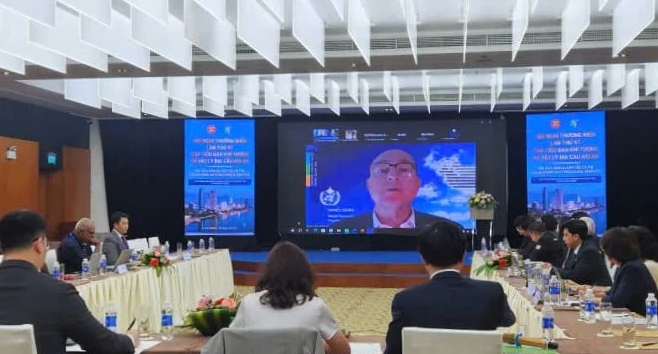
Sharing insights on the 2026-2027 El Niño event, Mr. Ben Churchill, Director of the World Meteorological Organization Regional Office for Asia and the Pacific (WMO-RAP), warned that El Niño will continue to intensify, peaking around December 2026. While demand for information on localized impacts will rise, he noted that El Niño intensity is not the sole factor determining these outcomes. Impacts may manifest with a time lag and persist even after El Niño passes its peak.
The WMO representative highly appreciated Viet Nam’s initiative in convening the 47th Annual Meeting of the ASEAN Sub-Committee on Meteorology and Geophysics on the sidelines of the 90th Meeting of the ASEAN Committee on Science, Technology and Innovation (COSTI-90). He emphasized that the timing was key to raising awareness about El Niño among the public, local communities, and decision-makers across the region, thereby enabling proactive response and mitigating losses from natural disasters and extreme weather events.
In Viet Nam, Ms. Dang Thanh Mai, Deputy Director General of the Viet Nam Meteorological and Hydrological Administration under the Ministry of Agriculture and Environment, stated that the Ministry has warned of severe water shortages, droughts, and saltwater intrusion across the South Central Coast, Central Highlands, and Mekong Delta during the 2026–2027 dry season. Viet Nam is currently managing the rainy and flood season while preparing for the impending drought that will follow immediately.
The host country's representative affirmed that this extreme reality is not only Viet Nam’s standalone challenge but a shared situation confronting many ASEAN member states. For ASEAN meteorological and hydrological services, the question is no longer whether to prepare, but how effectively they can coordinate by sharing forecasts, data, tools, and operational experience region-wide.
Joining forces in preparedness
Summarizing the latest WMO El Niño forecasts, Dr. Nguyen Dang Quang, Deputy Head of the International Cooperation Division (Viet Nam Meteorological and Hydrological Administration), noted that El Niño is occurring against the backdrop of record-high Pacific Ocean temperatures. Warmer ocean waters can significantly increase the risk of drought, flooding, and other climate-related hazards across regions. Consequently, national meteorological services must continuously assess and update the developments of these phenomena.
WMO recommendations explicitly state that historical data alone cannot determine the trajectory of the current El Niño event. National meteorological and hydrological services must regularly review their assessments to guarantee forecast reliability, thereby providing a solid foundation for early action.
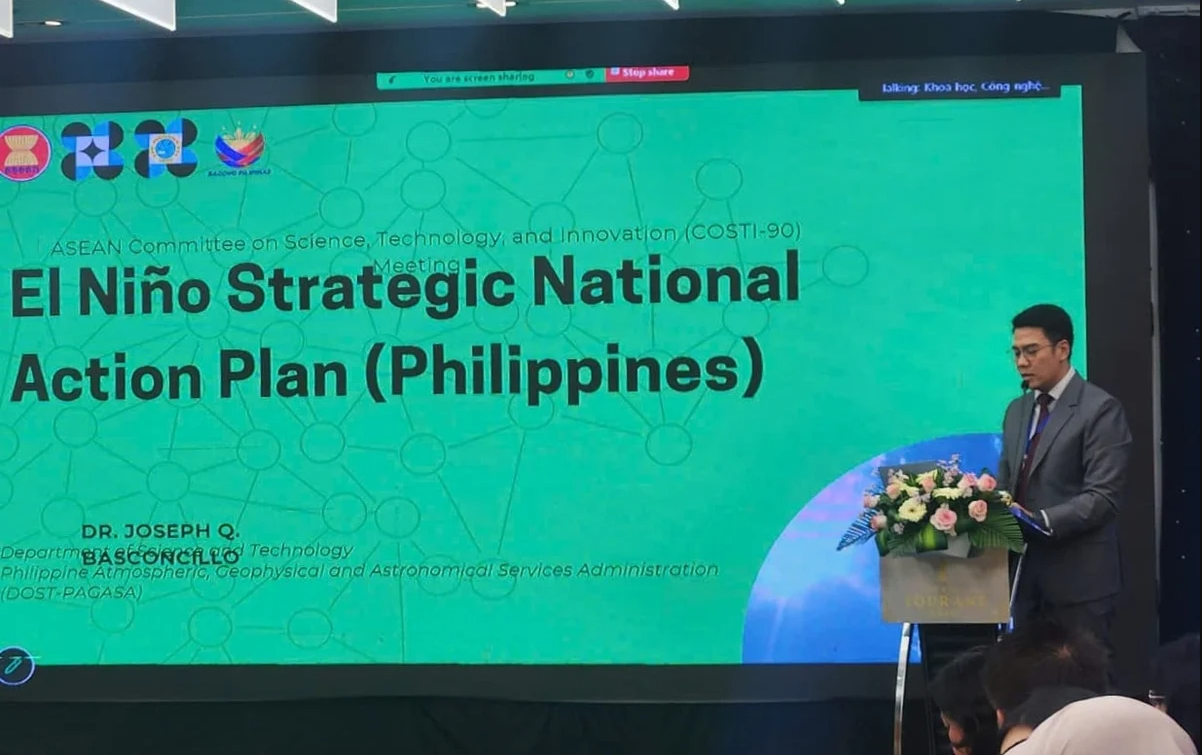
To operationalize multinational response objectives, the conference reviewed the sub-committee's activities for the 2025-2026 period and shared practical experience in rainfall forecasting, numerical weather prediction, and AI applications across observation and forecasting workflows.
The conference dedicated session time for member states to present their national response scenarios to El Niño impacts. Participants lively discussed technology-sharing mechanisms and data-sharing networks, aiming to narrow gaps in regional warning capabilities.
Against the backdrop of increasingly anomalous natural disasters that transcend single-nation borders, the event in Da Nang reinforced ASEAN’s shared vision for disaster risk management.
Khanh Ly