Plastic circularity starts with packaging design
Designing recyclable packaging, improving waste collection and creating stronger business demand for recycled plastic are key to building a circular plastics value chain.
Packaging that is difficult to sort or made from non-recyclable materials is unlikely to return to the production chain, even if it is collected after use. This is why efforts to reduce plastic waste need to start with businesses’ choice of materials and packaging design. Ms. Le Thi Hong Nhi, Unilever Viet Nam’s Vice President of Communications, External Affairs and Sustainability, shared this view in an interview with VAN News.
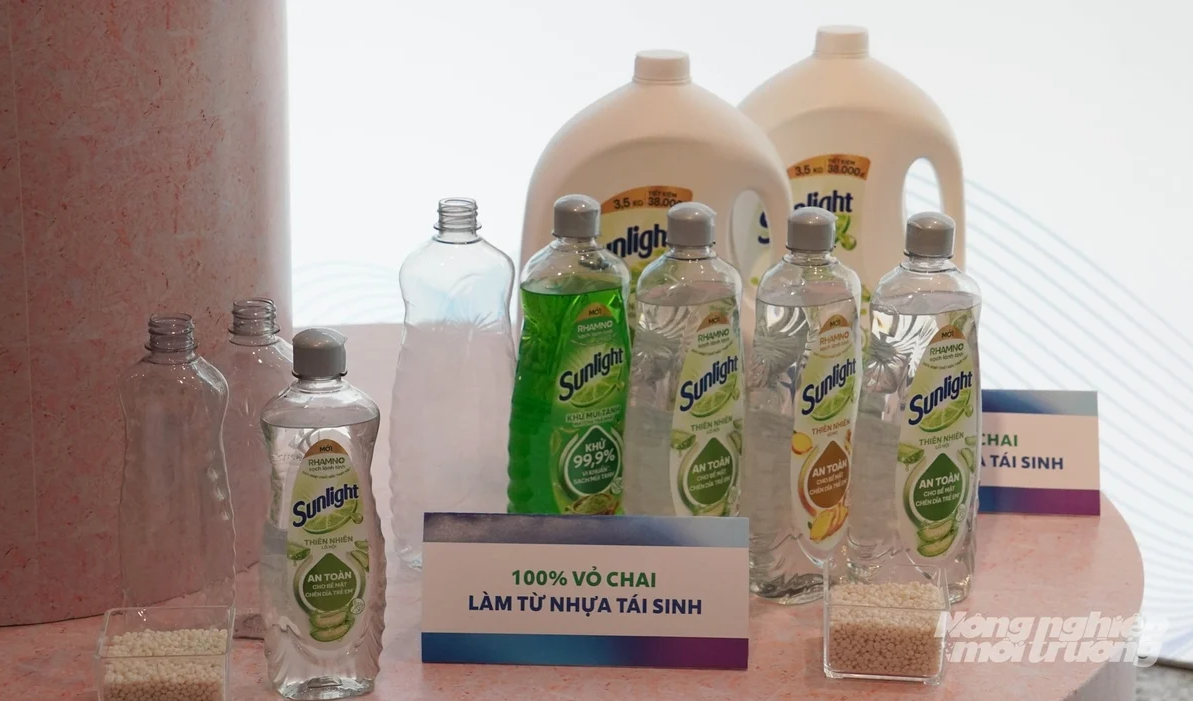
According to Ms. Nhi, recyclability must be considered from the very beginning of the packaging design process. If packaging is not designed for collection and processing, efforts further down the line will struggle to close the loop.
“Recycling is not possible if packaging is not designed to be recyclable from the outset,” she said.
Unilever has been working to reduce the amount of virgin plastic it uses, make packaging more compact, choose suitable materials and increase the use of recycled plastic. According to Ms. Nhi, all of the company’s rigid plastic packaging in Viet Nam is now recyclable. Across all packaging types in the country, the rate stands at around 70%, with a target of reaching 100%.
Meanwhile, recycled plastic accounts for an average of around 50% of packaging materials used by the company’s brands, although the proportion varies by product.
These two figures reflect different aspects of the transition. Recyclability determines whether packaging can potentially be recovered after use, while the share of recycled plastic shows how much previously processed material is being used again. Progress on both fronts can help strengthen the links between production, collection and recycling.
However, changing materials is not straightforward. Nhi noted that recycled plastic is more expensive than virgin plastic, while also presenting additional challenges involving odour, colour and quality. Using recycled materials in packaging must not compromise the quality of the products inside or the consumer experience. This requires significant investment in technology, process adjustments and other resources.
Alongside these technical challenges, the market is showing encouraging signs. According to Ms. Nhi, consumers are paying more attention to packaging information, becoming more aware of products made with recycled plastic and taking a greater interest in brands’ environmental efforts.
Young consumers, particularly Gen Z, are showing support for environmentally friendly packaging. This growing interest is encouraging businesses to use more recycled materials.
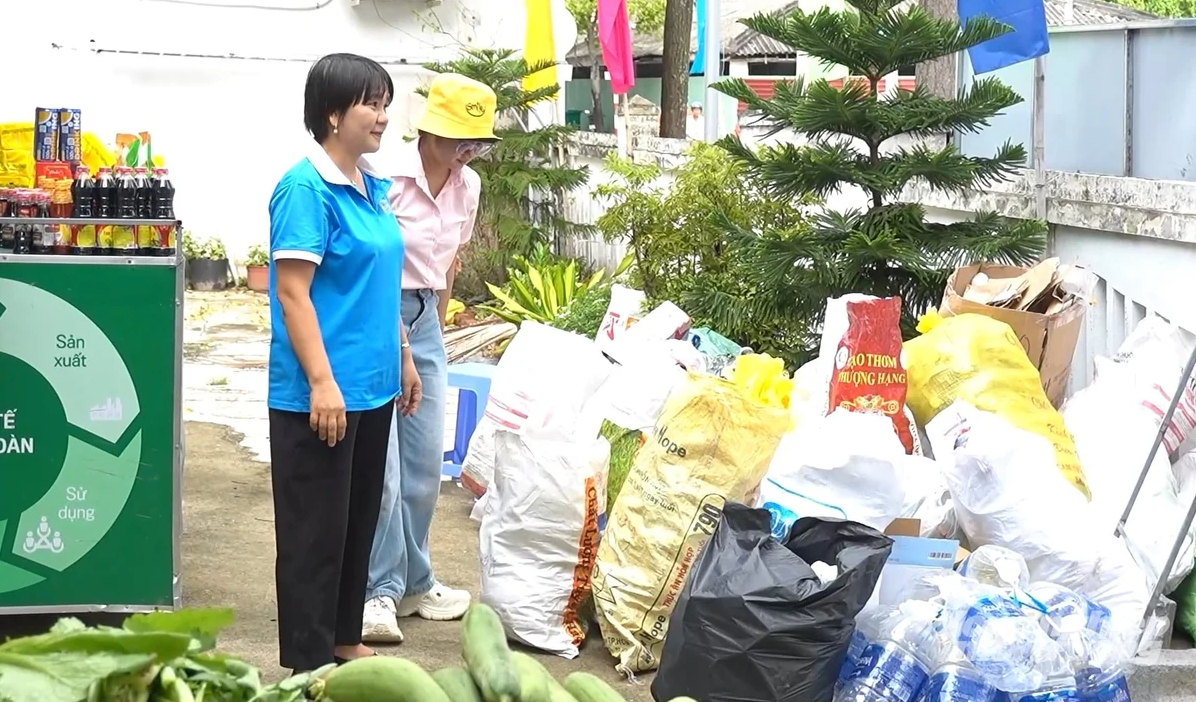
For the market to grow, however, recycled plastic must meet quality standards and be used consistently. As businesses increase their demand, collection and recycling operations will have greater incentives to expand.
“I would like to see recycled plastic being used more widely,” Ms. Nhi said.
She stressed that producing high-quality recycled plastic requires clean plastic waste, effective sorting and advanced processing technology. Once recycled materials meet packaging requirements, businesses can use more of them, creating stronger demand that supports the earlier stages of the recycling chain.
In HCMC, securing a reliable supply of recyclable materials is becoming part of a broader effort to reorganise waste management. Mr. Nguyen Hong Nguyen, Deputy Director of the municipal Department of Agriculture and Environment, said the city needs to bring together the government, businesses and residents.
The government must establish policies and mobilise resources, while residents need to sort their waste and receive incentives that encourage them to keep doing so. Businesses, meanwhile, need a stable supply of recyclable materials.
Mr. Nguyen said the city must organise collection systems more effectively to ensure that sorted recyclable waste is collected, transported and delivered to the appropriate processing facilities.
“Under the plan that the department is preparing to submit to the HCMC People’s Committee, household solid waste sorting at source is expected to be rolled out across the city from 2027,” he said.
Alongside improvements to collection systems, technological innovation must also be encouraged to ensure that recovered materials meet manufacturers’ requirements.
The 2026 Circular Plastics Innovation Challenge, organised by the Viet Nam Environment Agency and Unilever Viet Nam, has been opened to research institutes, universities, start-ups and corporate research and development teams.
According to Mr. Vu Dinh Nam, Deputy Director of the Viet Nam Environment Agency under the Ministry of Agriculture and Environment, businesses play a key role in turning innovations into products, commercial applications and market opportunities. Connecting researchers with investors and businesses can help promising ideas move beyond the development stage and be put into practice on a wider scale.
Le Binh