ASEAN prioritises food security and rural livelihoods
ASEAN prioritises food security, climate-resilient agriculture and improved rural livelihoods as part of its efforts to promote sustainable poverty reduction.
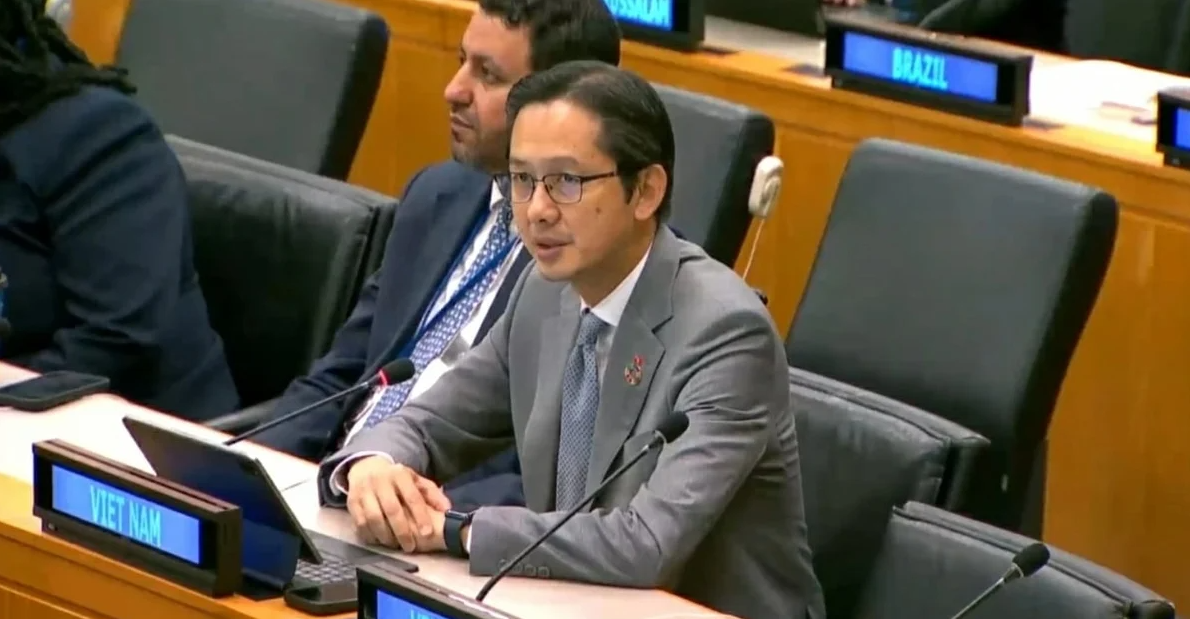
On October 14 in New York, Viet Nam’s Ambassador to the United Nations Do Hung Viet speaking on behalf of ASEAN at the general debate of the Second Committee of the 81st session of the UN General Assembly, highlighted the role of agriculture in ensuring food security, sustaining livelihoods and promoting inclusive growth across Southeast Asia, according to The World and Viet Nam Report.
The debate focused on eradicating poverty, agricultural development, and food security. Delegates noted that these remain major challenges to achieving the Sustainable Development Goals, requiring countries to strengthen cooperation and invest in long-term solutions.
Key priorities include transforming food systems to make them more sustainable, strengthening agriculture’s resilience to climate change, improving rural infrastructure and expanding social protection systems. Helping farmers gain access to technology, financing and markets is also seen as essential to improving productivity and securing livelihoods.
Ensuring access to nutritious and affordable food
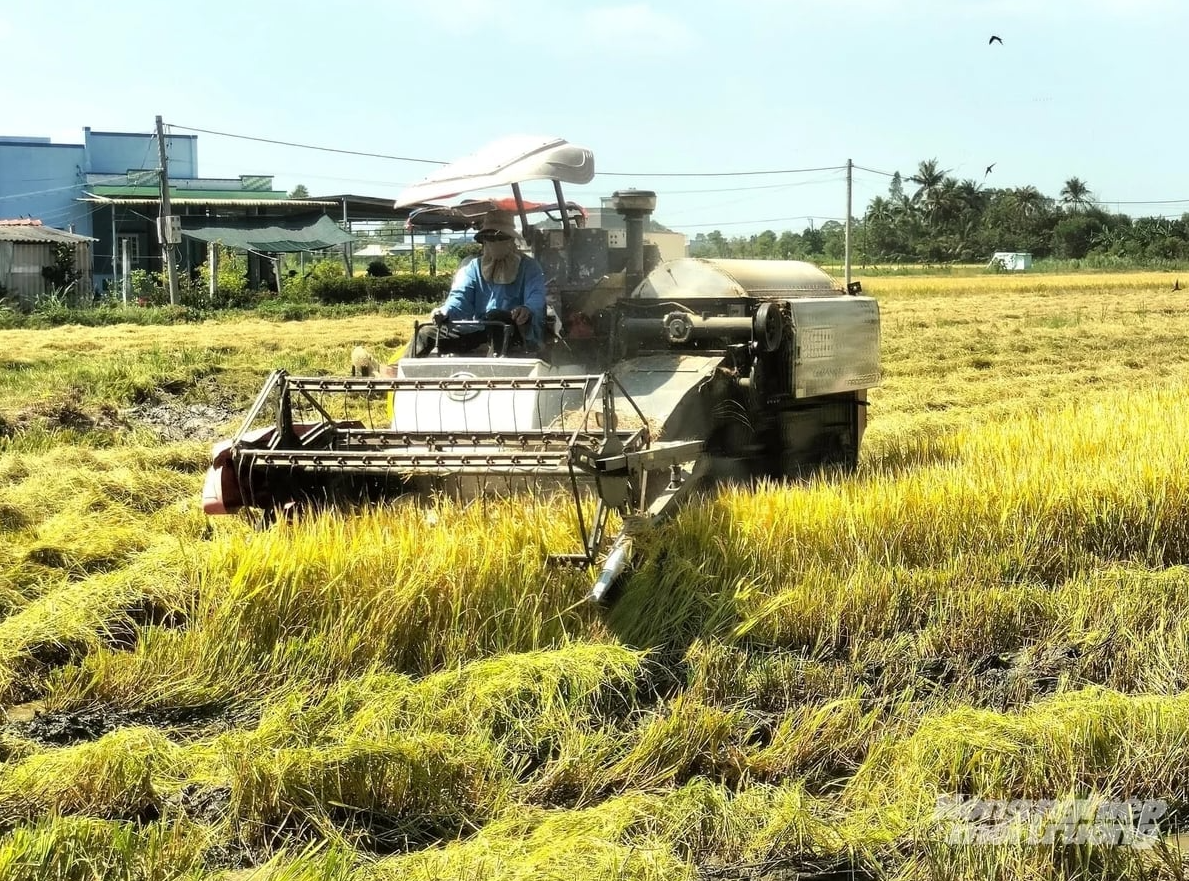
According to Ambassador Do Hung Viet, agriculture in Southeast Asia faces multiple challenges, including climate change, biodiversity loss, rising food demand, and price volatility. In response, ASEAN is implementing its Vision for Food, Agriculture and Forestry towards 2045, alongside an action plan for 2026-2030, to build food systems that are sustainable, inclusive and resilient.
The ambassador also stressed that food security is not simply about ensuring an adequate food supply. It also means making nutritious food available and affordable. Figures presented at the debate showed that around 14% of ASEAN’s population faces food insecurity, while nearly one-third cannot afford a healthy diet.
Supporting farmers and rural communities therefore requires a coordinated approach that promotes sustainable agriculture and expands access to innovation, technology, finance and markets. Regional cooperation is also essential to responding to natural disasters and minimising disruptions to food supply chains.
Linking poverty eradication with inclusive rural development
Alongside food security, ASEAN considers sustainable rural development and improved living conditions for vulnerable groups key priorities in implementing the 2030 Agenda for Sustainable Development.
The proportion of the population living below the poverty line in the region fell from 13.3% in 2016 to 10.8% in 2023. This progress reflects ASEAN’s efforts to reduce poverty, while underscoring the need to expand development opportunities for rural communities.
Initiatives such as the “One Village, One Product” programme, efforts to empower rural women and young people, improved digital connectivity and investment in essential infrastructure are being promoted to create more livelihood opportunities, strengthen market access and improve quality of life.
Through regional cooperation frameworks on rural development and poverty eradication, ASEAN aims to ensure that growth benefits all segments of society, giving vulnerable communities greater access to resources and more opportunities to share in the benefits of sustainable development.
Minh Hanh