Youth take action to protect bears
Nestled in the forests of Bach Ma National Park, the Viet Nam Bear Rescue Centre’s second facility is helping young people deepen their understanding of wildlife conservation and inspire greater respect for nature.
First-hand experiences spread the conservation message
Surrounded by lush forests, the Viet Nam Bear Rescue Centre’s second facility in Bach Ma National Park, Hue City, provides daily care for bears that have endured years of captivity and suffered lasting harm.
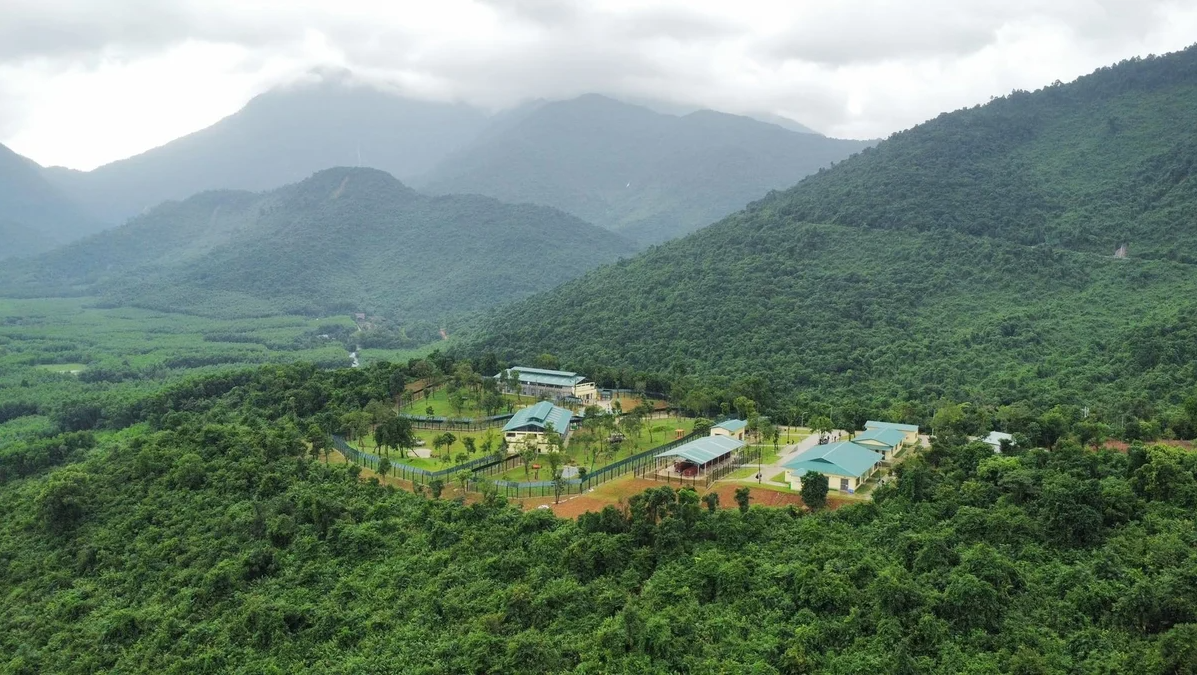
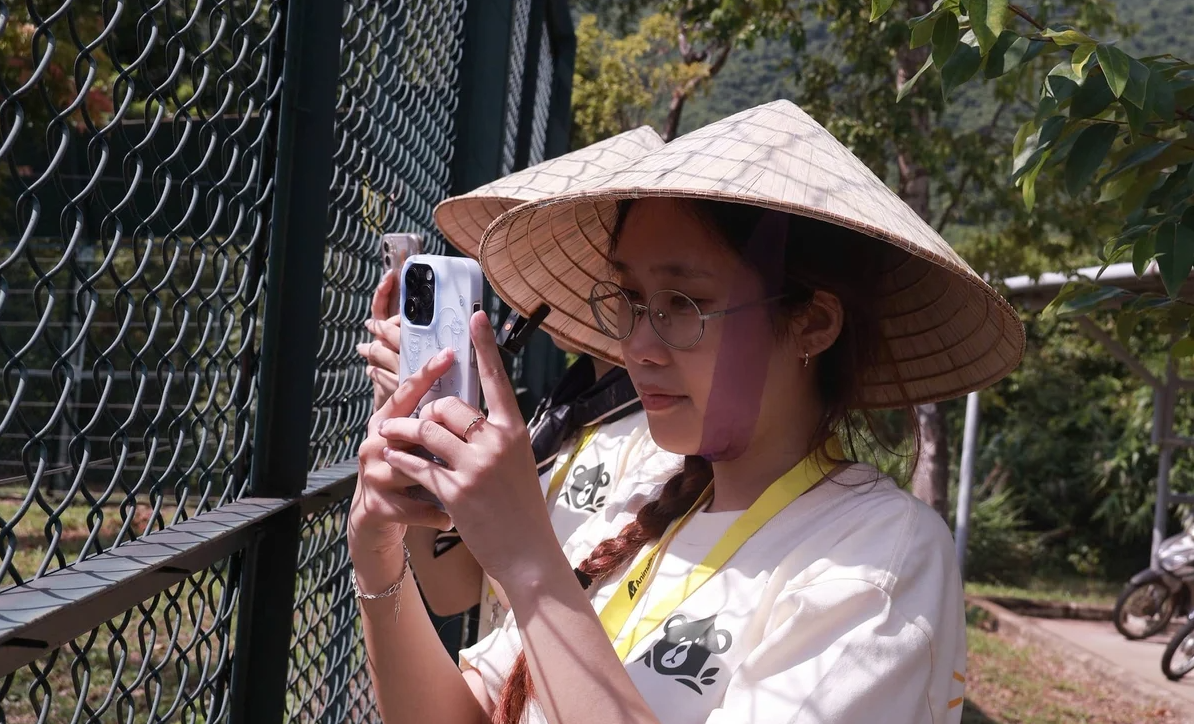
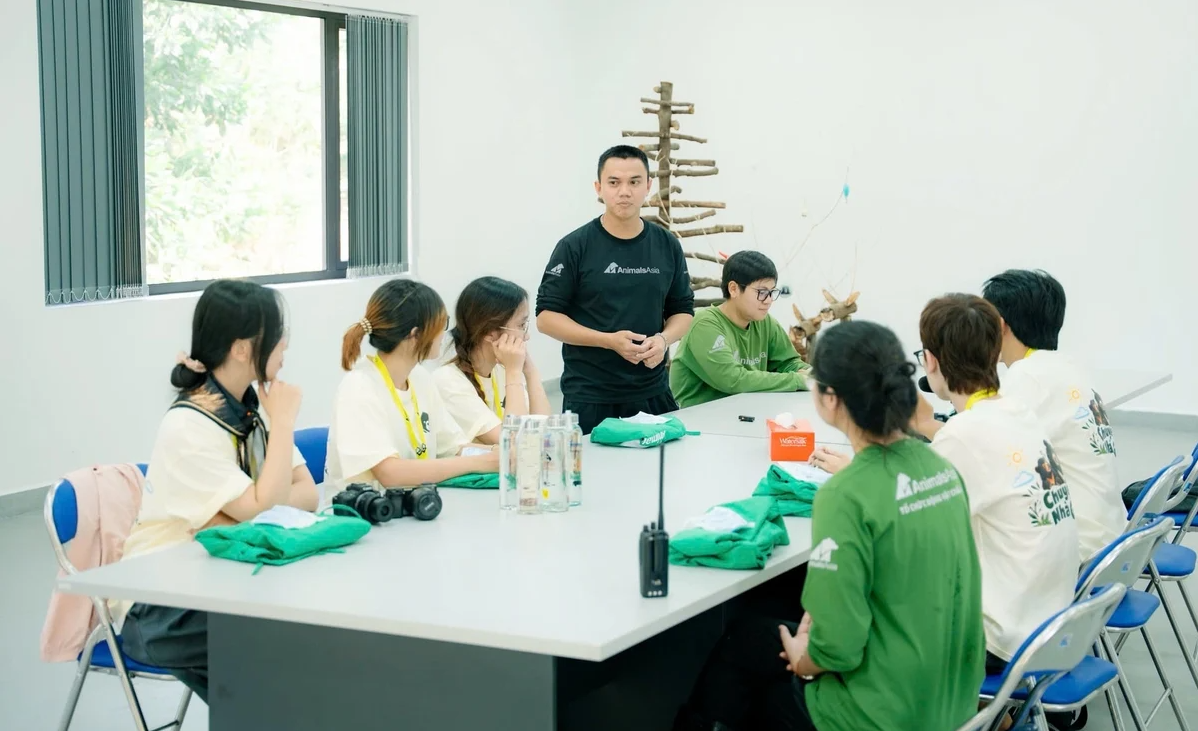
More than a safe haven for rescued wildlife, the centre also serves as a hands-on learning space where visitors can gain a better understanding of conservation efforts. Recently, a group of students from FPT University in Da Nang visited the facility to learn about bear rescue and care while developing a communications project to raise public awareness of bear conservation.
With bear houses, semi-wild enclosures and supporting facilities including quarantine areas, a veterinary hospital and food preparation rooms, the centre provides an environment for caring for bears, monitoring their health and helping them regain their natural behaviours.
Unlike learning through books or the media, the visit gave students an opportunity to observe the bears’ living conditions first-hand, learn about care procedures and hear the stories behind their rescue. This experience offered a more realistic insight into the efforts of rescue staff and the challenges of protecting wildlife.
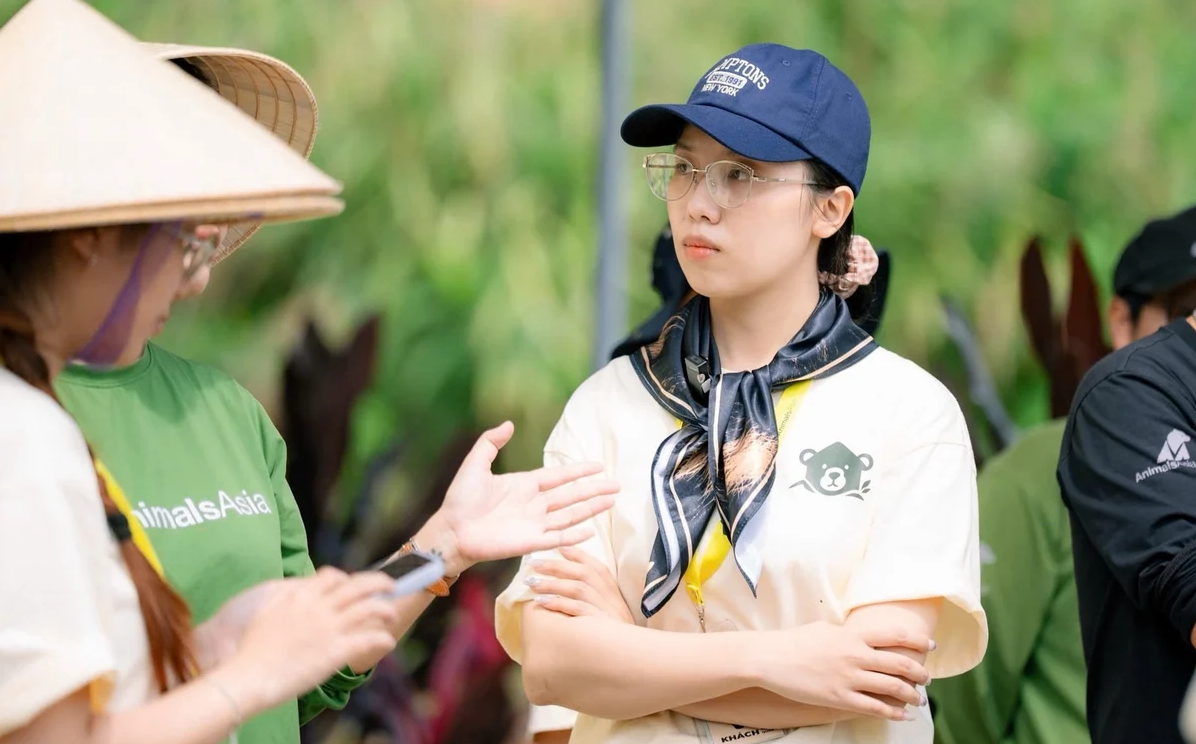
“During our visit, we could see how dedicated, enthusiastic and professional the staff are in rescuing and caring for bears. Hearing the stories behind each rescue also inspired us to promote wildlife protection among young people,” said Phan Thi Nhu Quynh, a student at FPT University in Da Nang.
A safe haven for bears to recover
The Vietnam Bear Rescue Centre’s second facility is funded by Animals Asia and covers nearly 13 hectares. The first phase began operating in October 2023, while construction of the second phase started in September 2025. To date, the centre has rescued and received 30 bears from across the country, all voluntarily handed over by their owners.
According to Tuan Bendixsen, director of the Bear and Companion Animal Programme at Animals Asia, the centre aims to protect bears and provide them with a safe life in conditions closer to their natural habitat.
Each rescued bear requires care tailored to its health and individual needs. Staff must therefore combine professional expertise with patience, attention to detail and continuous observation to identify changes in the animals’ behaviour and daily routines.
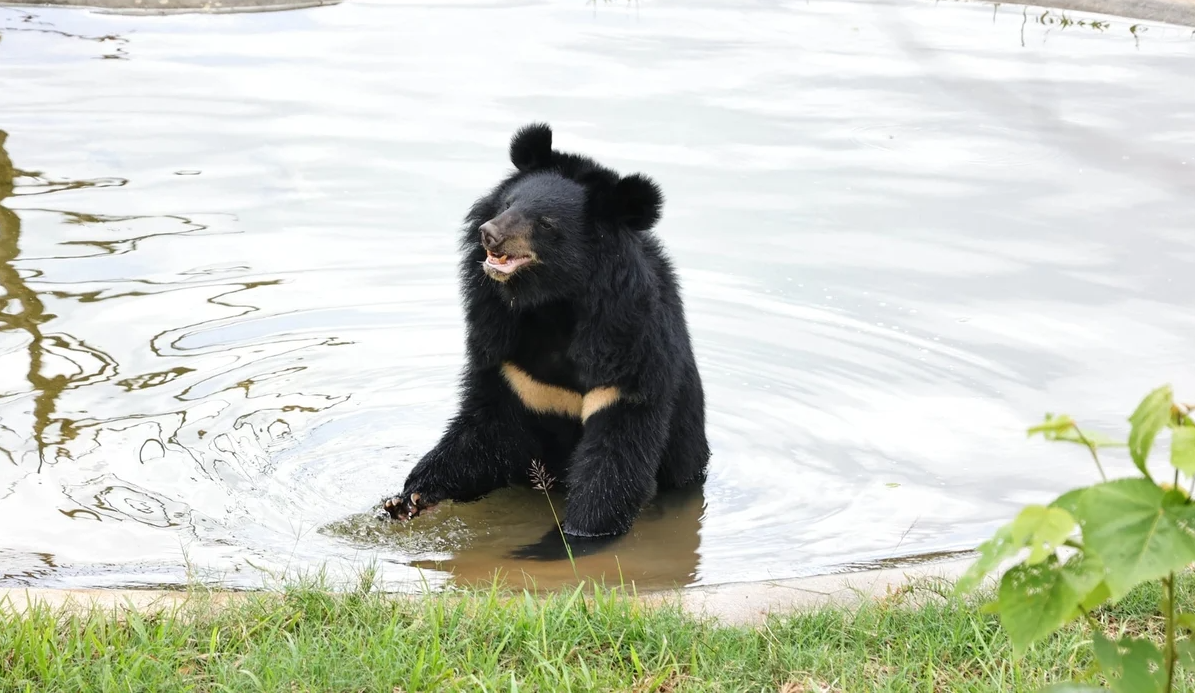
“Bear care is a daily responsibility. Staff must closely monitor each animal’s activities, behaviour and condition to ensure that its care meets its needs”, said Mr. Vo Van Tot, who manages the bear care teams at the centre.
Drawing on their experiences at the facility, the FPT University students are developing a bear conservation communications project titled “Stories from the Bear House”.
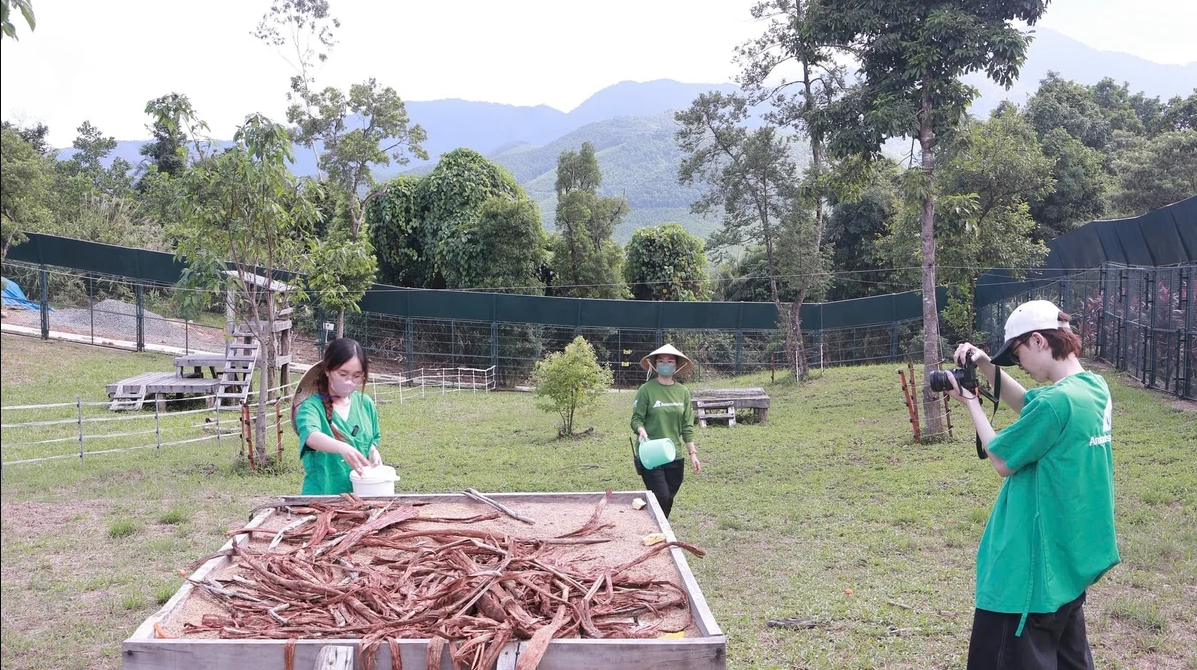
Ms. Hoang Tran Tu Phuong, a lecturer at the Faculty of Communications at FPT University in Da Nang and the project’s supervisor, said real-life stories of animal rescue, care and recovery would provide valuable material for young people to create engaging communications content suited to their peers.
“As digital platforms continue to exert greater influence, student participation offers another way to bring conservation messages to the public. With their creativity, technological skills and understanding of communications trends, young people can help turn specialist knowledge into content that is easy to understand and access, encouraging greater public interest in animal welfare and nature protection”, she said.
Protecting bears and other wildlife is not the responsibility of any single organisation or individual. It requires society-wide participation, starting with raising awareness, changing behaviour and fostering respect for all living things.
With the initiative and creativity of young people, conservation messages from the rescue centre in the forests of Bach Ma have more opportunities to reach the wider community, helping safeguard a safe habitat for wildlife.
Van Dinh