Cooperation to promote animal welfare-compliant egg production
Humane World for Animals (USA) and the Dong Nai Livestock Association have partnered to develop cage-free egg farming models that meet animal welfare standards.
At Vietstock 2026, Humane World for Animals and the Dong Nai Livestock Association signed a Memorandum of Understanding (MoU) to promote egg production that meets animal welfare standards and expand market opportunities for cage-free eggs in Dong Nai and neighboring localities.
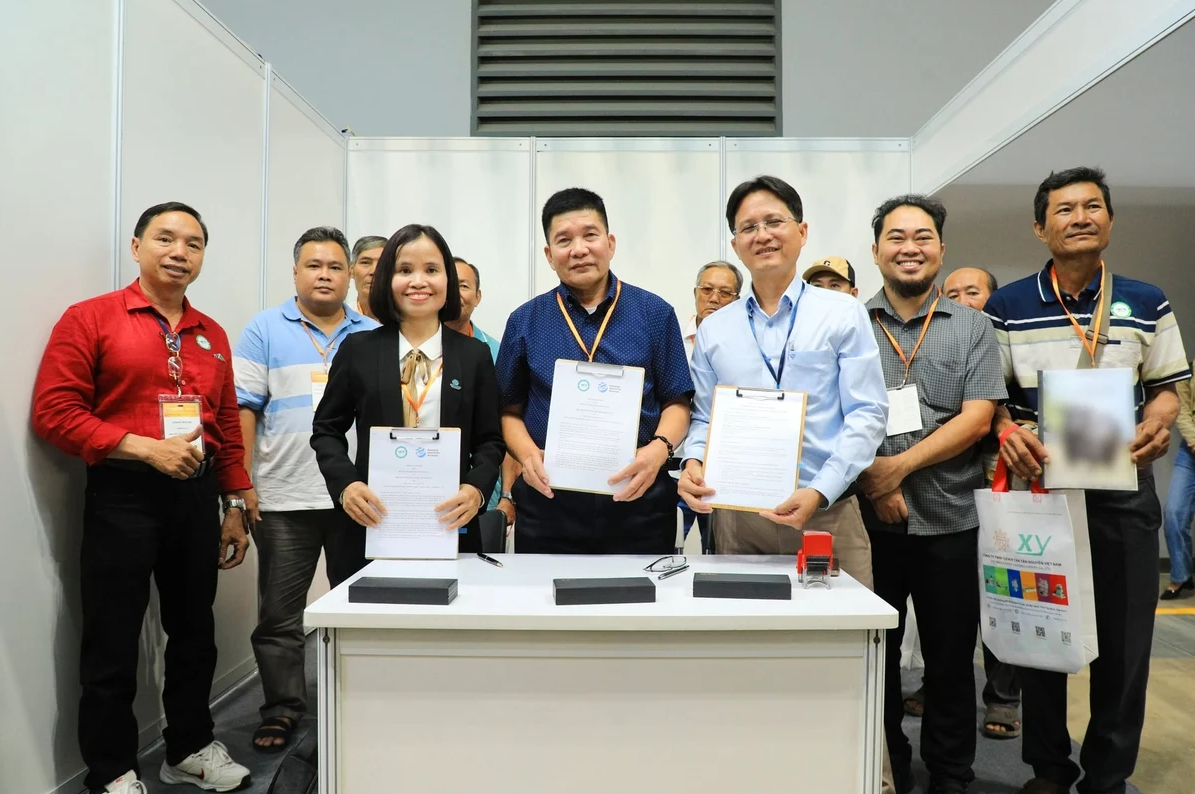
Supporting farms in transitioning to animal welfare-compliant production
Under the cooperation agreement, the two organizations will work together to help members of the Dong Nai Livestock Association transition to, implement, and expand cage-free egg production systems. Activities will focus on technical consultancy, poultry housing design, flock management, training, and support to help farms meet animal welfare certification requirements.
Nguyen Tri Cong, Chairman of the Dong Nai Livestock Association, said that through its partnership with Humane World for Animals, the association aims to help farms adopt cage-free production systems and gradually meet the necessary conditions to participate in the program and obtain the required certification.
During implementation, Humane World for Animals will provide consultancy on standards, technical requirements, and poultry housing construction and renovation. Meanwhile, the Dong Nai Livestock Association will work directly with participating farms, monitor progress, and guide farmers in meeting the program's requirements.
According to Le Hang, Southeast Asia Farm Animal Welfare Program Director at Humane World for Animals, technical support will be provided throughout the production process to ensure that animal welfare standards are consistently maintained in farming practices.
“In practice, simply investing in poultry housing and installing all the necessary equipment is not enough to meet animal welfare requirements. When we talk about animal welfare, animal health is only one aspect. Another crucial factor is understanding animals' natural needs, what they require and which natural behaviors they need to express,” Hang explained.
She noted that cage-free systems require farmers to pay close attention to hens' living conditions, health, and ability to express natural behaviors. Therefore, the transition must include guidance on poultry housing design, flock management, and maintaining appropriate farming practices.
As part of the partnership, the two organizations plan to organize training courses, farm visits, model demonstrations, and practical experience-sharing activities. Experts will help association members develop transition plans, operate cage-free housing systems, and meet the requirements to pursue animal welfare certification for egg-laying farms.
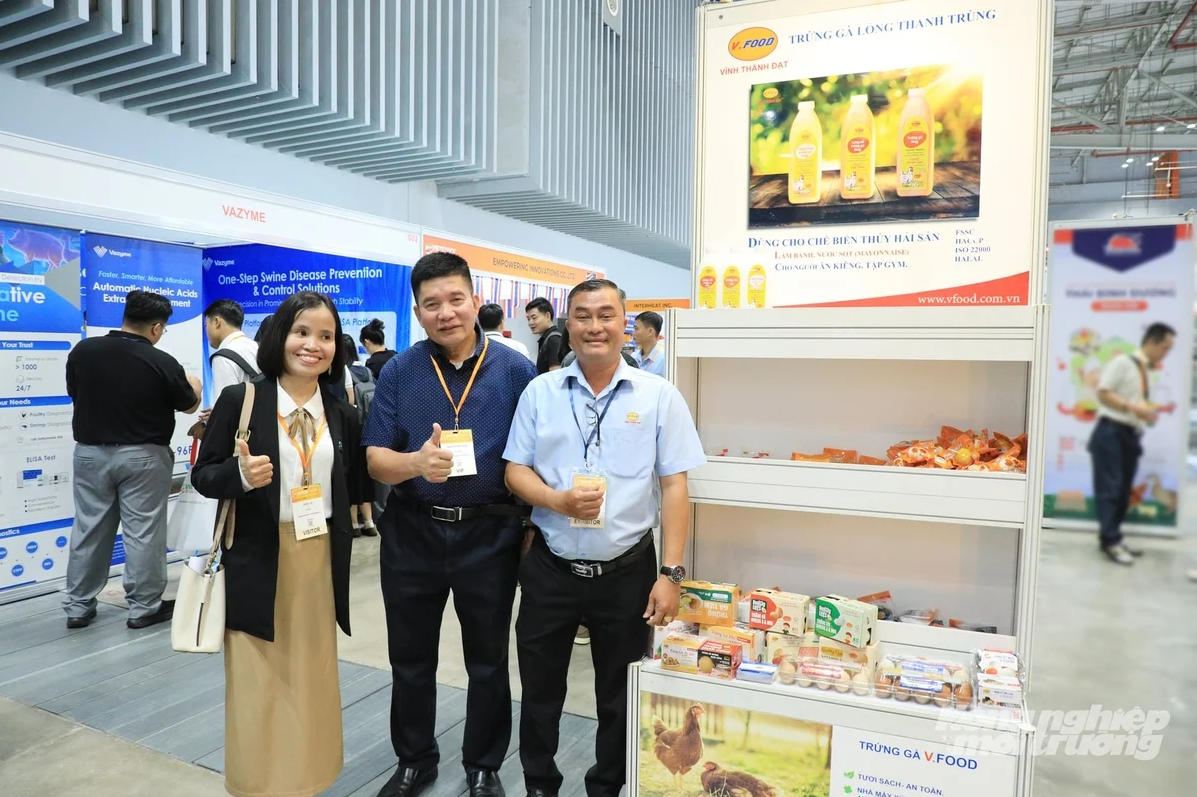
Building supply chains and expanding the cage-free egg market
Alongside supporting the transition to cage-free production, developing supply chain partnerships and securing market outlets for cage-free eggs are among the key objectives of the cooperation program.
According to Nguyen Tri Cong, Chairman of the Dong Nai Livestock Association, the association will serve as a bridge connecting stakeholders across the supply chain, including suppliers of breeding stock and pullets, poultry farms, egg buyers, and distribution networks.
Businesses and traders will buy eggs directly from farms, then select and grade them according to quality requirements. Products that fully meet the program's criteria may be eligible to display cage-free certification information on their labels in accordance with applicable regulations before being supplied to retail partners.
“Through this cooperation program, we hope to gradually build a community of cage-free egg producers capable of supplying businesses, restaurants, hotels, and other organizations seeking cage-free eggs in Viet Nam,” Cong said.
He noted that many major businesses, restaurant chains, and hotel groups have already committed globally to transitioning to cage-free eggs. The association aims to connect these potential buyers with domestic farms, gradually establishing a supply chain that meets market demand.
To strengthen supply chain linkages, the association is also working with suppliers of breeding stock, chicks, and pullets to help farmers access suitable birds for production.
Truong Minh Quan, Director of Minh Quan Pullet Farming Joint Stock Company, said the business hopes to supply healthy, high-quality pullets to poultry farms affiliated with the Dong Nai Livestock Association.
The company currently raises approximately 100,000 pullets in open-sided poultry houses and another 200,000 in environmentally controlled housing systems. With its existing capacity, the company can supply around 400,000-500,000 pullets annually, approximately 30% of which are intended for small-scale farmers.
The participation of poultry suppliers, farms, egg buyers, and distributors is expected to help the association gradually establish an integrated cage-free egg production and supply chain in Dong Nai.
However, developing the market for cage-free eggs still presents challenges, particularly in terms of production costs and consumer awareness.
Le Hang explained that cage-free egg production may involve higher costs than conventional cage systems. As hens have greater freedom of movement, they also require more energy to support their physical activities.
According to estimates cited by the Humane World representative, hens raised in cage-free systems may require approximately 10-15% more energy than those kept in cages. This is one factor that could contribute to higher production costs.
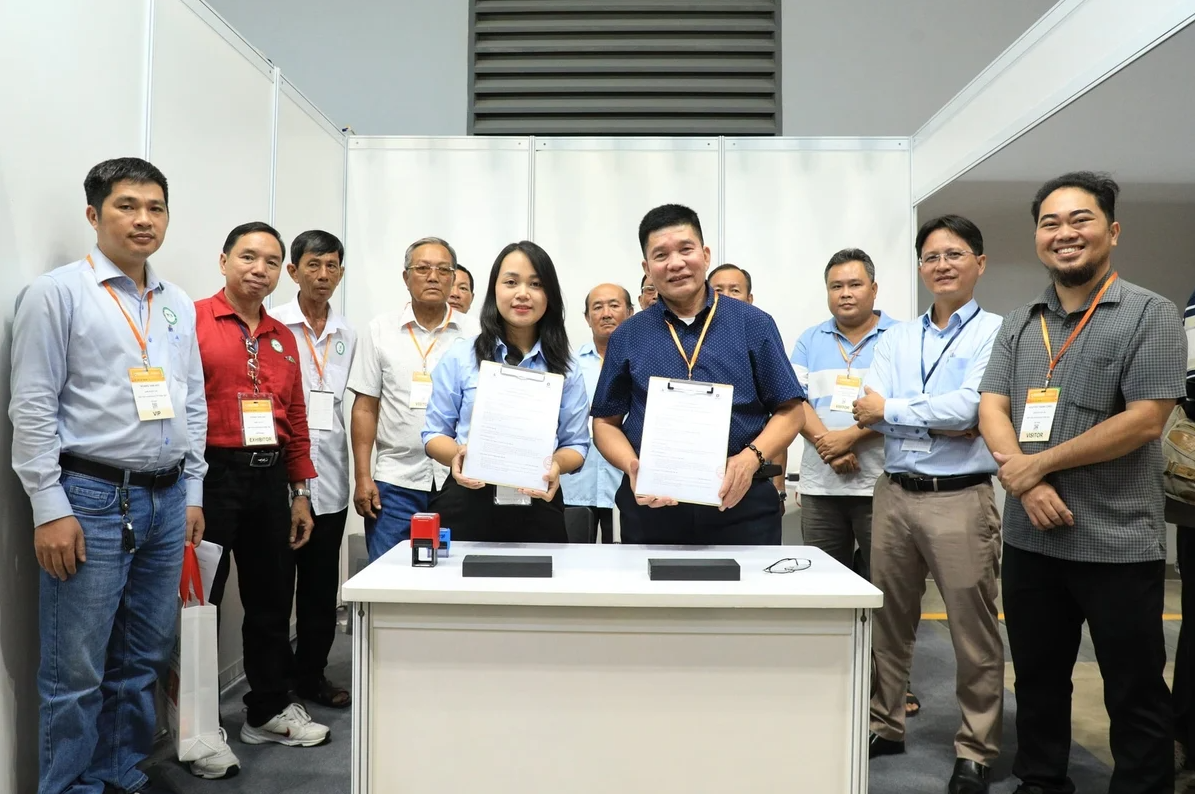
Meanwhile, many consumers in Viet Nam remain unfamiliar with the differences between cage-free eggs and conventional eggs, as well as the importance of improving animal welfare in livestock production. This highlights the need for stronger communication efforts to help consumers make more informed purchasing decisions.
According to Hang, Humane World for Animals will work with the Dong Nai Livestock Association to develop accurate communication messages that clearly reflect the characteristics of cage-free farming systems and their animal welfare requirements. The organization will also help connect participating farms with potential buyers and businesses seeking cage-free eggs.
Ho Chi Minh City has been identified as one of the priority markets for expanding sales. Under the Dong Nai Livestock Association's strategy, cage-free farming will gradually be introduced among small-scale poultry farmers through cooperative-based partnerships. Once their products meet the required standards, the association aims to facilitate market access and distribution of cage-free eggs in Ho Chi Minh City.
Vietstock 2026, themed “Shaping the Future of Livestock Industry: Innovation - Green Transition - Competitiveness Enhancement,” takes place from October 21 to 23 at the Saigon Exhibition and Convention Center (SECC) in Ho Chi Minh City. The event is jointly organized by the Ministry of Agriculture and Environment and the Department of Animal Health and Production.
Nguyen Thuy