Digital transformation, circular water use ensure water security
Digital transformation, circular water use, conservation and restoration of degraded water are vital for national water security.
These priorities were highlighted at the opening ceremony of the 17th International Exhibition and Conference on Water Supply, Water Purification Technology and Wastewater Treatment (Vietwater 2026) on November 4 in Ho Chi Minh City.
According to Mr. Nguyen Hong Hieu, Deputy Director of the Department of Water Resources Management under the Ministry of Agriculture and Environment, ensuring water security must be paired with governance reforms, from regulation and distribution to the extraction, use, and restoration of water sources. Among these, comprehensive digital transformation is identified as the "top priority for sustainable water resource management".
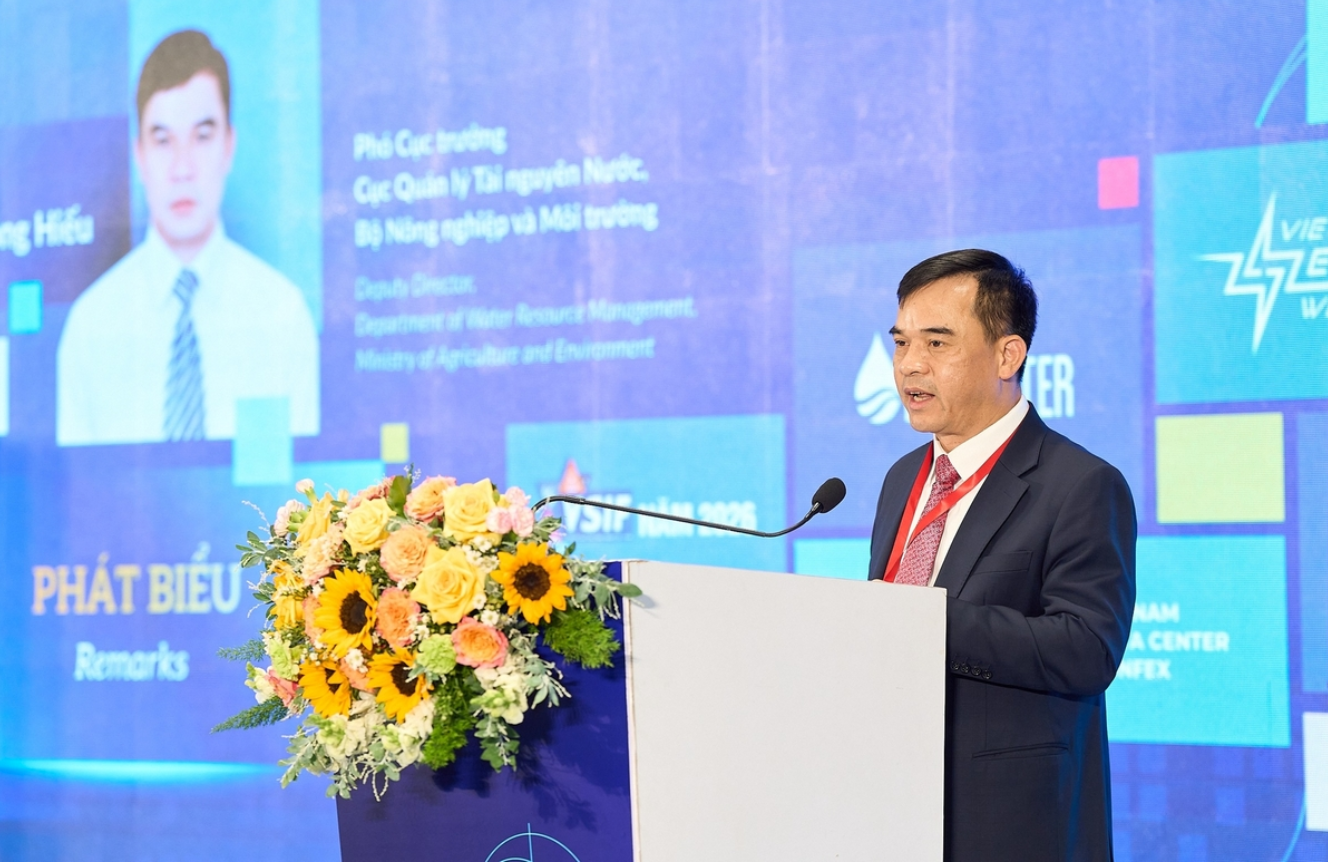
Alongside digital transformation, the Department of Water Resources Management is focusing on promoting the application of science and technology for circular, economical, and efficient water use, as well as restoring degraded, depleted and polluted water sources. These are key tasks to enforce the Law on Water Resources and move toward securing water security.
Mr. Hieu highlighted the connection among management agencies, scientists, and domestic and international enterprises to exchange experiences and promote technological applications. Smart water management solutions must be discussed in alignment with climate change and water security challenges in Viet Nam and the Southeast Asian region.
These orientations are set as urban development, the expansion of industrial zones, and manufacturing plants entail increasingly high demands on water and environmental infrastructure. Besides ensuring water supply for domestic use and production, units must also address wastewater collection and treatment, water quality control and enhanced reusability.
From a technological application perspective, Prof.Dr. Nguyen Van Phuoc, Chairman of the Ho Chi Minh City Union of Science and Technology Associations and Chairman of the Ho Chi Minh City Water and Environment Association, noted that the interconnection among water, energy and industrial sectors helps enterprises choose synchronized technologies while comprehensively considering efficiency, operating costs and maintainability.
For the water sector, Mr. Phuoc mentioned solutions such as water source protection, safe water supply, loss reduction, wastewater treatment, and water reuse. Connecting these solutions with energy-saving technologies, equipment, and technical services aims to improve resource utilization and enhance enterprises' competitiveness.
Mr. Phuoc said the Union of Science and Technology Associations and the Ho Chi Minh City Water and Environment Association are ready to collaborate with domestic and international partners to bridge knowledge and practice, promoting technology application and human resource development.
From the energy sector's perspective, a representative from the Center for Energy Information and Power Market Development under the Electricity Regulatory Authority, Ministry of Industry and Trade, remarked that water resource management is increasingly closely linked with energy, cooling technology and digital infrastructure. Energy efficiency and sustainable development are becoming crucial factors for the competitiveness of the entire economy.
According to the Center's representative, beyond refining policies and developing infrastructure, the focus must also be on innovation, technology application, mobilizing investment, and strengthening public-private partnerships. The connection among management agencies, enterprises, investors, and research organizations should help translate policy orientations into practical solutions, bring technology into application and shape specific cooperative projects.
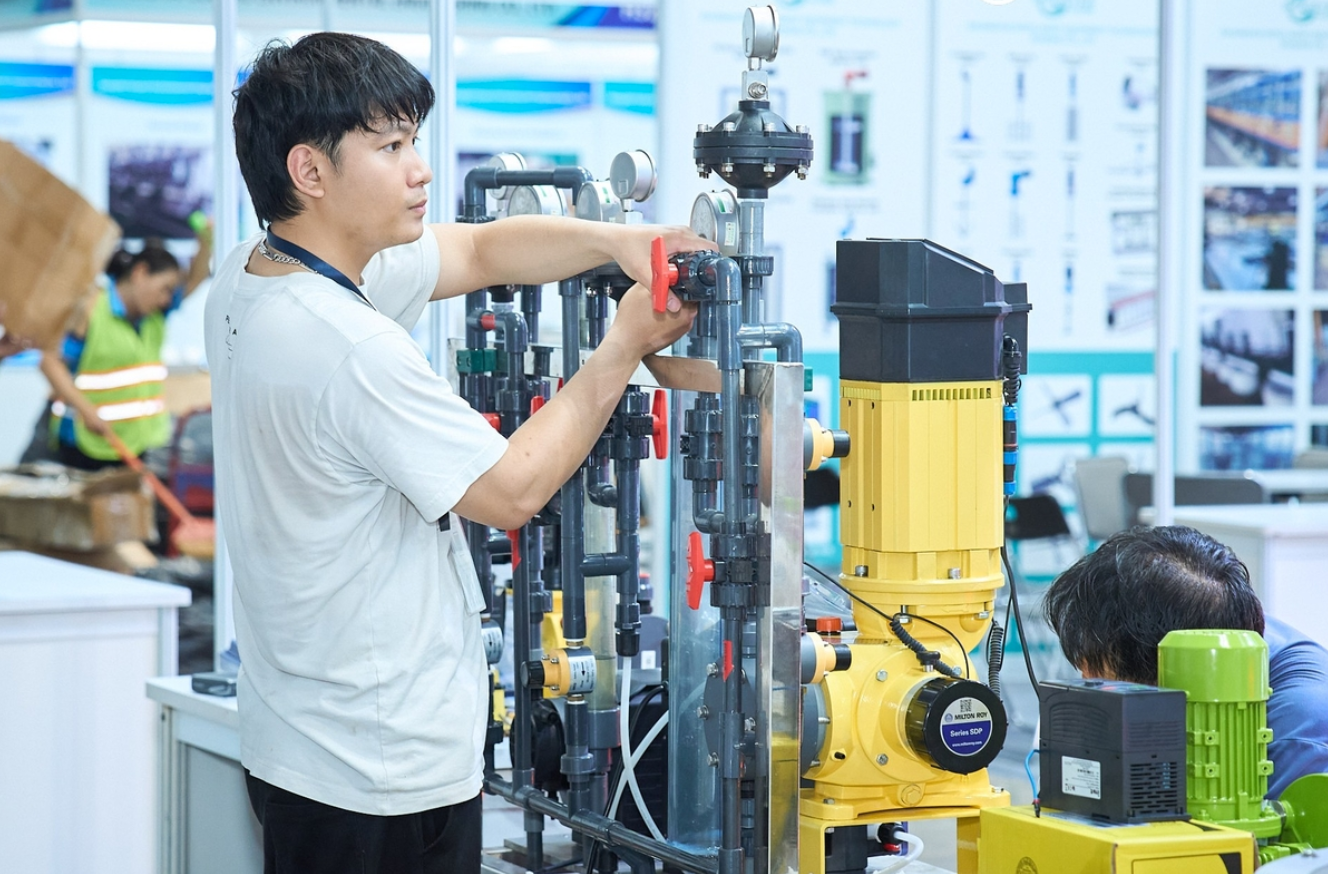
Vietwater 2026 takes place from November 4 to 6 at SECC, Ho Chi Minh City, gathering over 400 exhibitors from 25 countries. In addition to technology exhibitions and business matching, the event features conferences on smart water governance, water security, the "sponge city" model and eco-industrial parks.
Ha Duyen