Viet Nam, the Netherlands align to counter salinity intrusion
Proactively addressing complex salinity intrusion, Viet Nam and the Netherlands step up water management cooperation.
A concrete initiative exemplifying this collaboration was the workshop on cooperative strategies for addressing salinity intrusion, adapting to climate change, and advancing sustainable agriculture. The event was co-organized on November 5 by the Viet Nam Organic Agriculture Association (VOAA) and the Embassy of the Kingdom of the Netherlands in Viet Nam.
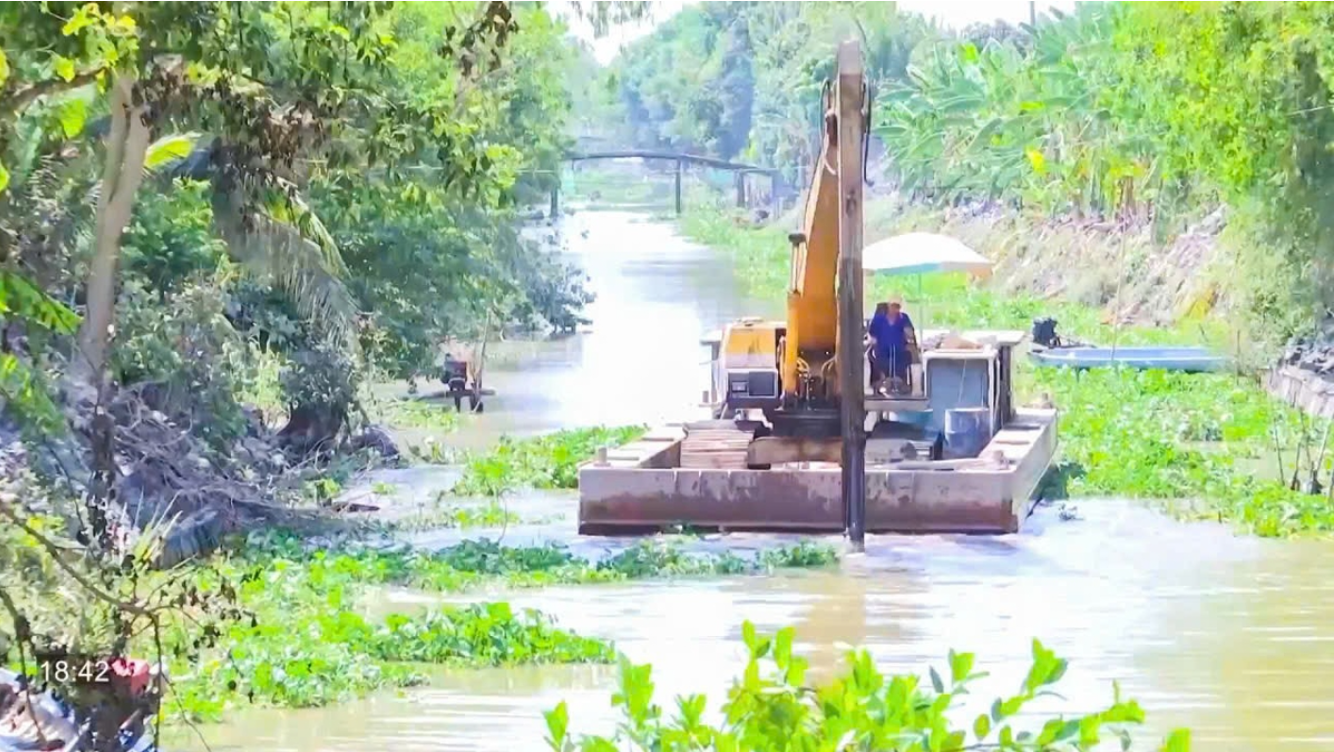
At the workshop, valuable Dutch experience in water resources management, hydrological monitoring technologies, and salt-tolerant crop breeding was highlighted as a promising contribution to supporting Viet Nam in addressing current challenges.
According to Mr. Joost van Uum, Agricultural Counselor at the Netherlands Embassy in Viet Nam, salinity intrusion represents a shared global dilemma. In the Netherlands, roughly 14% of the land area is already saline or at risk of salinization. Drawing on its adaptive track record, the Netherlands is prepared to assist Viet Nam in water resources governance, salt-tolerant crop development, and the deployment of hydrological surveillance technology.
Since 2025, the Netherlands has conducted comprehensive surveys to assess challenges and local initiatives mitigating salinity intrusion in Viet Nam. This workshop represents the next milestone for both parties to pinpoint strategic priorities and actionable cooperation packages, emphasizing the alignment of Dutch hydrological expertise and technologies with Viet Nam’s practical field demands.
"Through this partnership, both sides expect to accelerate contextualized adaptation models, equipping farmers with enhanced forecasting capacity, proactive freshwater storage solutions, and agro-ecological production planning tailored to each sub-region, thereby safeguarding livelihoods and augmenting agrifood value across the Mekong Delta," Mr. Joost van Uum stated.
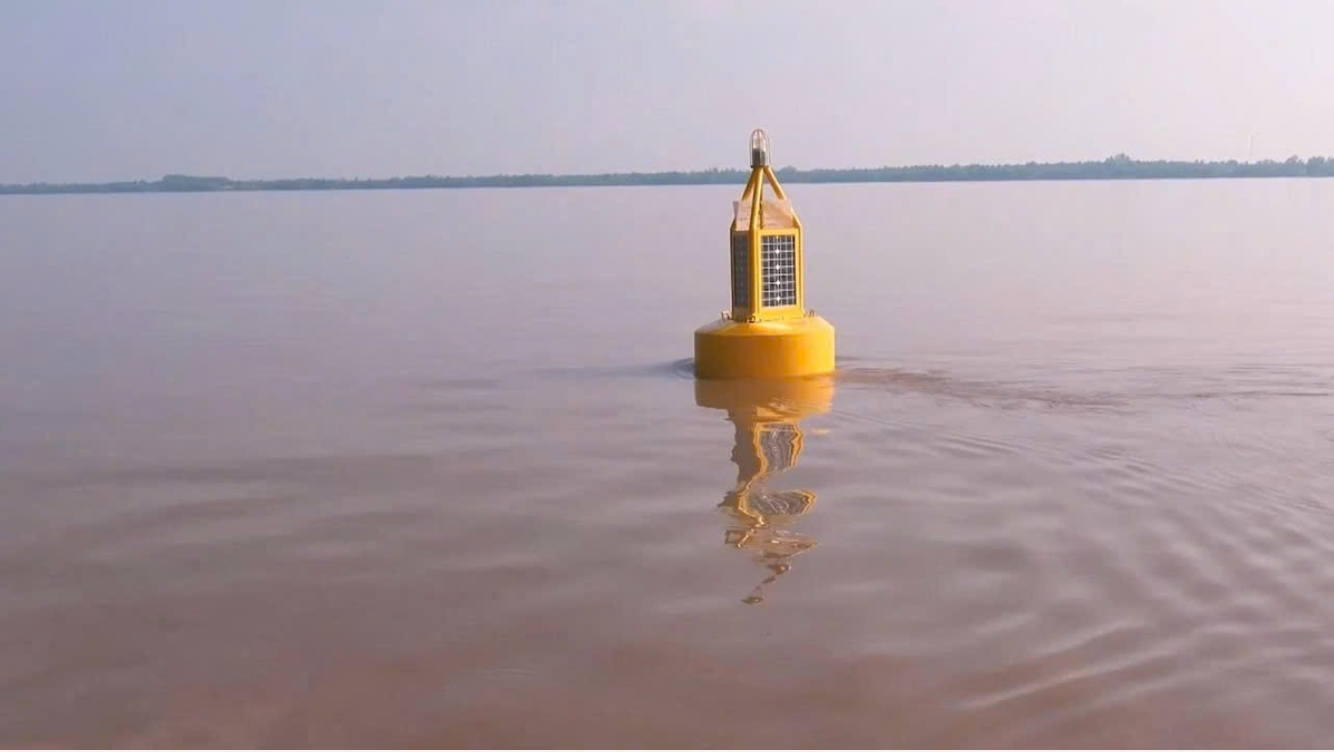
The Mekong Delta serves as Viet Nam’s core agricultural production base, yet it faces mounting structural stress from drought, salinity intrusion, land subsidence, and fluctuating river flows. These impacts not only impair irrigation supplies but also compromise soil quality, crop productivity, and community livelihoods.
According to the 2026–2027 dry-season forecast issued by the Department of Meteorology and Hydrology (Ministry of Agriculture and Environment), under a very-high-risk scenario, approximately 45,000 hectares of coastal fruit orchards face potential exposure to drought, freshwater deficits, and saltwater intrusion. Meanwhile, many smallholders still lack salinity sensors, freshwater storage technology, and timely data to proactively recalibrate crop calendars.
Van Vu