Viet Nam, Japan hold policy dialogue on environment and climate change response
The topic covers on the carbon market, circular economy, waste management and environmental pollution control at the Environmental Policy Dialogue.
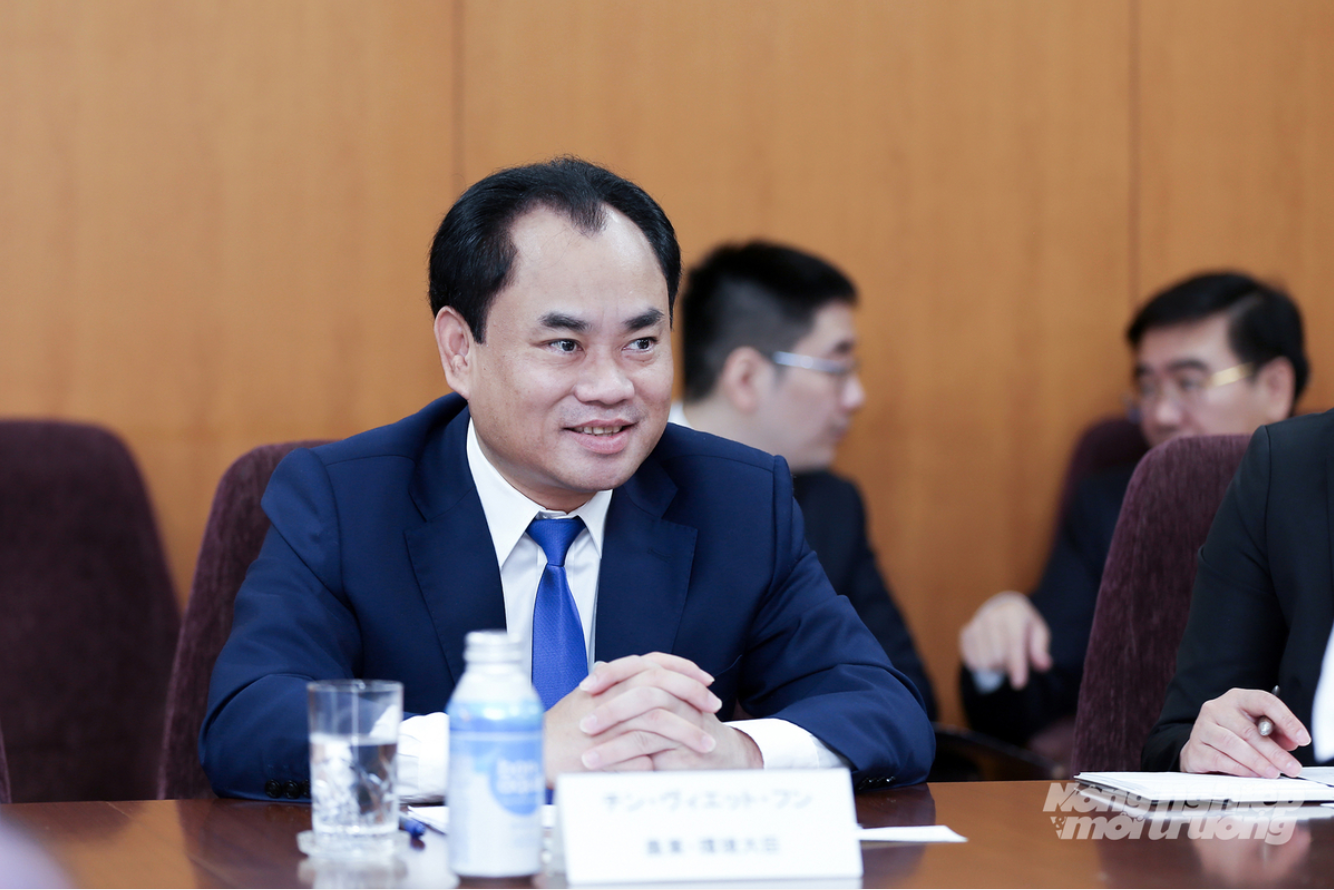
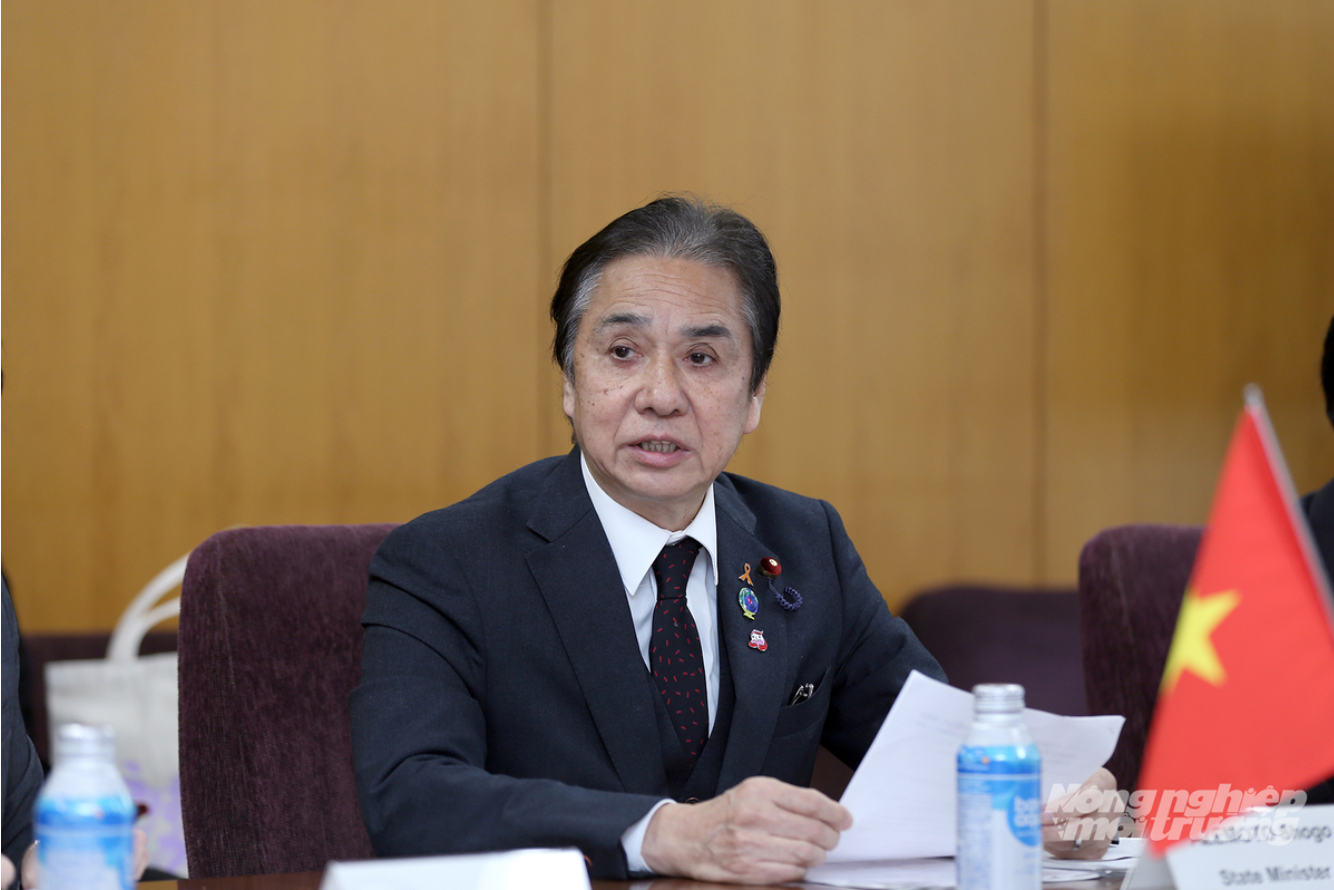
On November 6, the Viet Nam - Japan Environmental Policy Dialogue was held at the headquarters of Japan’s Ministry of the Environment in Tokyo. Viet Nam’s Minister of Agriculture and Environment Trinh Viet Hung and Japan's State Secretary Azemoto Shigo co-chaired the meeting.
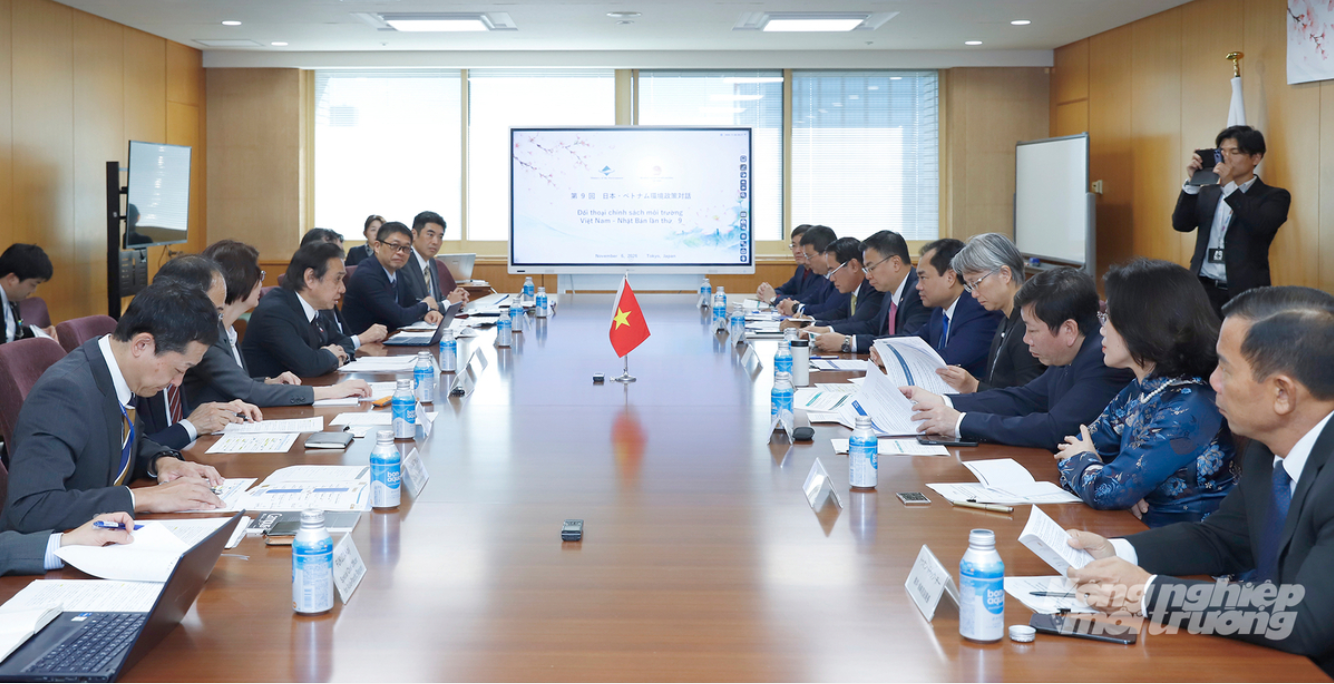
In his opening remarks, Minister Trinh Viet Hung expressed his pleasure at visiting Japan with the Vietnamese Ministry of Agriculture and Environment delegation and co-chairing the Viet Nam - Japan Environmental Policy Dialogue.
State Secretary Azemoto Shigo and Minister Trinh Viet Hung noted that Viet Nam - Japan relations are developing positively on the foundation of the Comprehensive Strategic Partnership for Peace and Prosperity in Asia and the World. Cooperation in environmental protection, climate change response and green transition has been an important area of bilateral ties, delivering tangible results.
Date back, the two ministries have worked together to implement the Joint Crediting Mechanism (JCM), particularly its recognition under Article 6.2 of the Paris Agreement, laying the groundwork for projects to reduce greenhouse gas emissions. The two sides also strengthened cooperation on greenhouse gas inventories, transparency, disaster early warning, waste treatment technologies, waste-to-energy generation, e-waste management, and the implementation of extended producer responsibility (EPR).
Building on the goal of achieving net-zero emissions by 2050 and the implementation of the Asia Zero Emission Community (AZEC) initiative, the two ministers agreed to advance three key areas of cooperation
Specifically, on climate change response and the carbon market, the two sides will continue refining the institutional framework and JCM methodologies under Article 6.2 of the Paris Agreement, while promoting carbon credit projects in waste treatment, renewable energy, and low-emission agriculture.
In the areas of circular economy and waste management, the two sides will strengthen technology transfer in waste treatment, materials recycling, e-waste management and hazardous chemical management. Minister Trinh Viet Hung proposed that Japan support Viet Nam in improving its EPR institutional and policy framework by assigning one or two expert consultants to work on a permanent basis at the Department of Environment.
On environmental monitoring and pollution control, the two sides will promote the use of remote sensing and AI in air quality monitoring, environmental pollution surveillance, and marine plastic litter monitoring. They will also strengthen expert exchanges and the sharing of data and management experience.
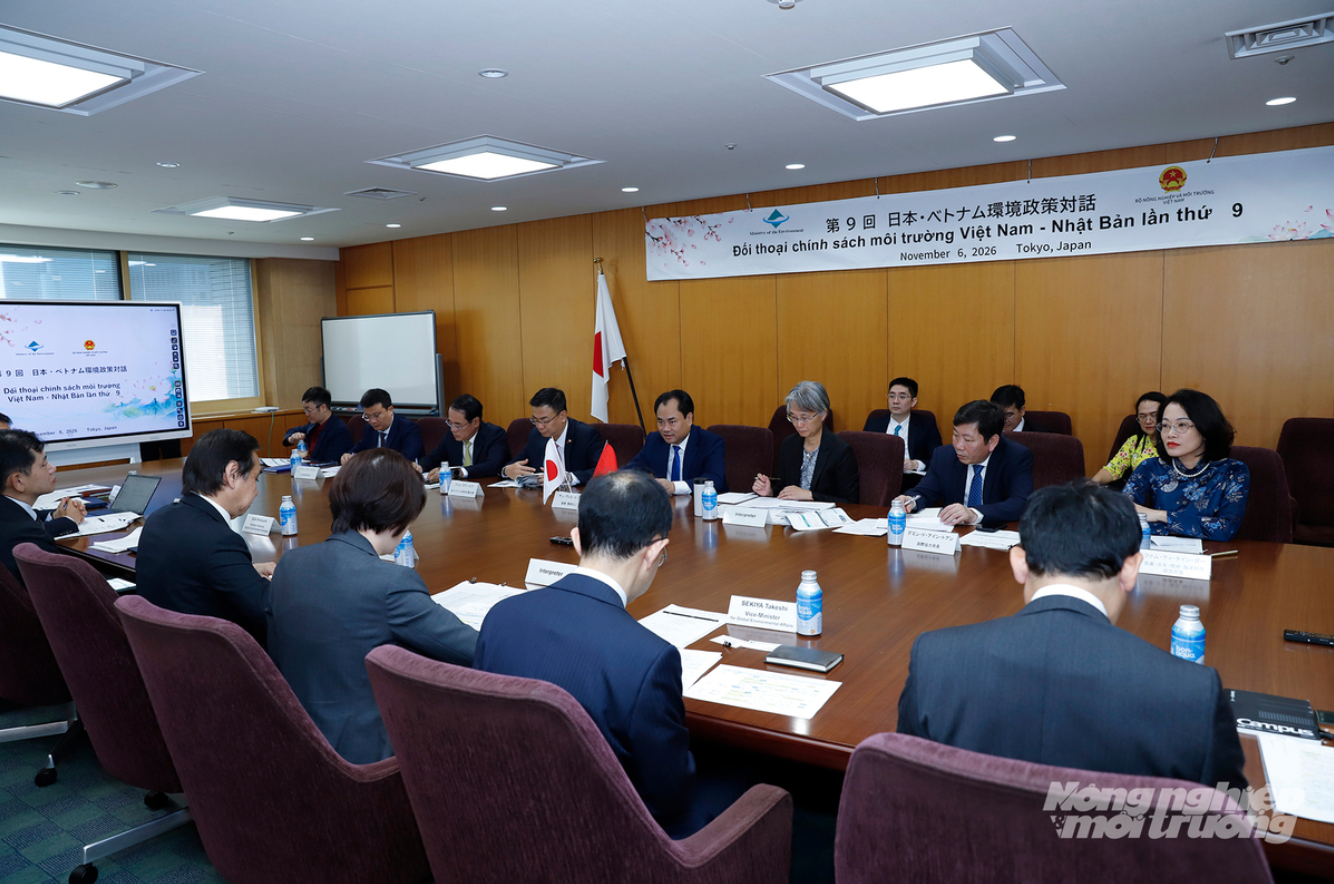
At the conference, the two sides exchanged policy updates and reviewed progress in cooperation across three areas: climate change response; solid waste management and resource protection; and environmental monitoring and pollution control.
On climate change, the Japanese side presented progress in cooperation on Article 6 of the Paris Agreement, JCM, transparency, greenhouse gas inventories, fluorocarbon management, climate change adaptation and early warning systems. Mr. Nguyen Tuan Quang, Director General of the Department of Climate Change, outlined Viet Nam’s legal framework for greenhouse gas emission reductions, ozone layer protection, climate change adaptation and the carbon market, while proposing directions for future cooperation.
Regarding solid waste management and resource protection, Japan shared its experience in waste-to-energy (WTE) technologies, e-waste management, operation of the EPR Fund, household appliance dismantling technologies and policies to promote the circular economy.
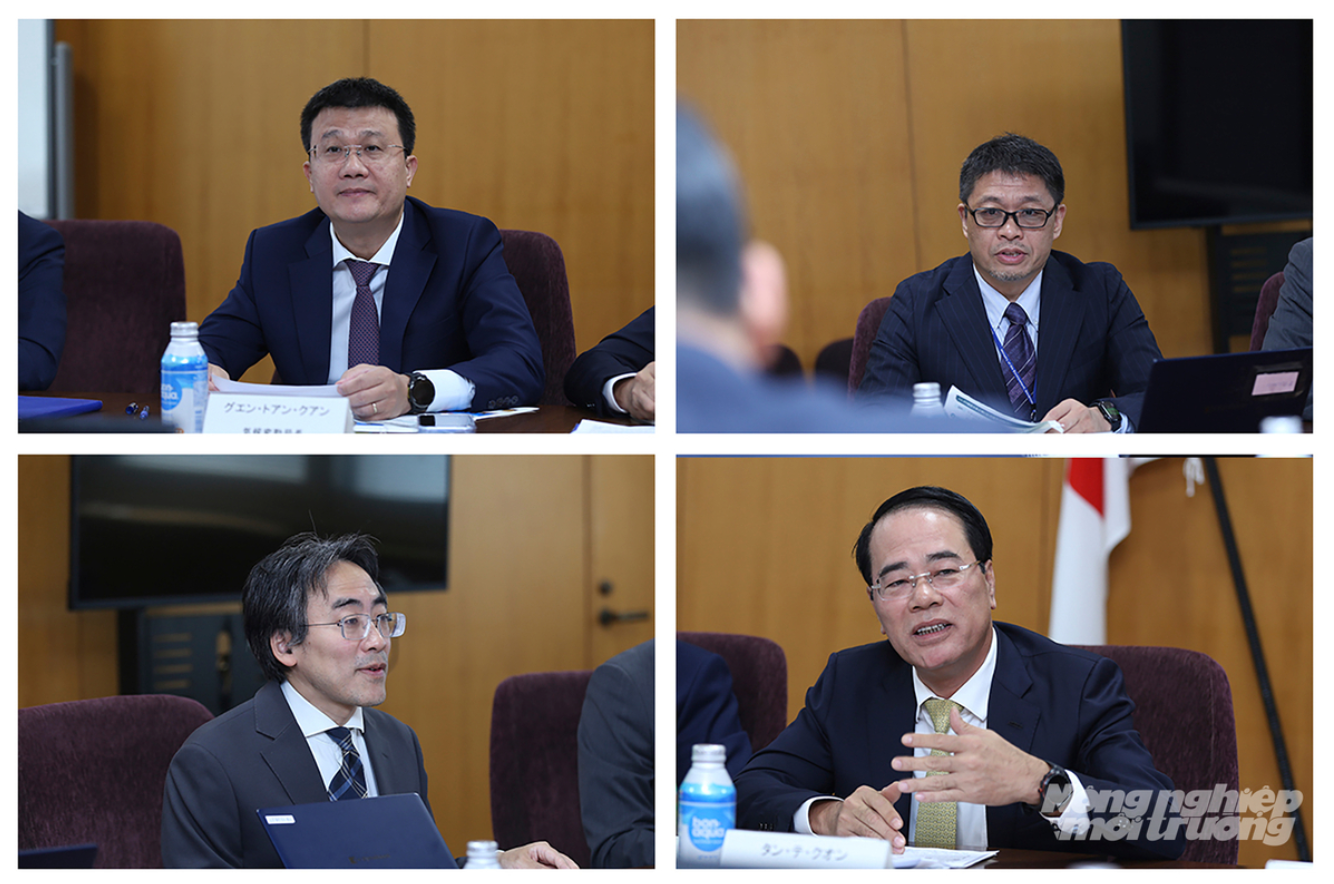
Mr. Tang The Cuong, Director General of the Department of Environment, outlined Viet Nam’s regulations on the management of domestic solid waste, ordinary industrial solid waste and hazardous waste, as well as the EPR requirements for manufacturers and importers in product and packaging recycling and treatment. Viet Nam proposed that Japan transfer technologies for e-waste treatment and materials recycling, and provide expert support to help improve the EPR regulatory framework.
On pollution control, the two sides discussed environmental monitoring and capacity building through initiatives such as WEPA and EANET, projects to improve the aquatic environment in Asia, and marine plastic litter monitoring. The Vietnamese side presented its policies and actions to control air pollution and proposed cooperation to achieve sustainable emission reductions at source, improve environmental data systems, and strengthen enforcement capacity.
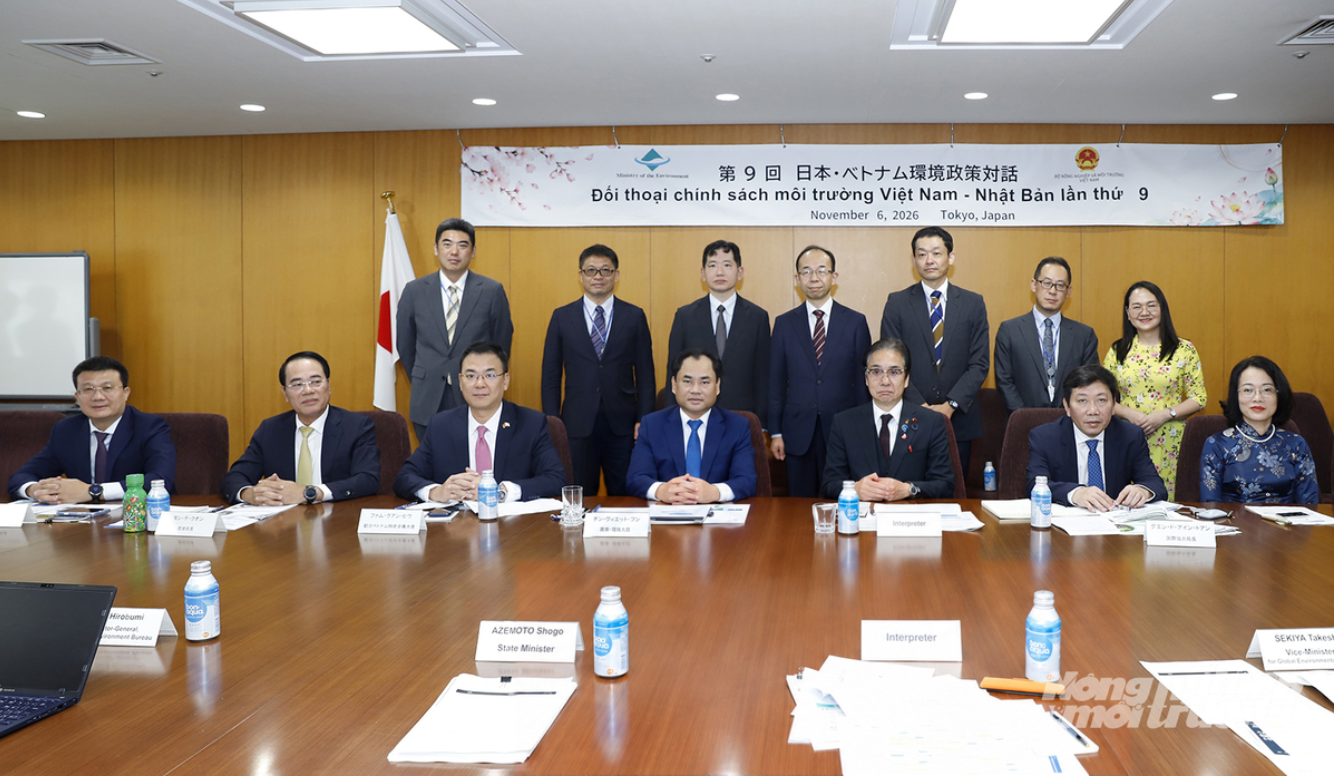
At the conclusion of the dialogue, Minister Trinh Viet Hung and State Secretary Azemoto Shigo of Japan’s Ministry of the Environment expressed confidence that, building on the foundation of friendship, mutual trust and a strong commitment to cooperation, Viet Nam - Japan relations in the fields of environmental protection and climate change response would continue to deepen and expand, delivering practical contributions to the sustainable development goals of both countries and the region.
Khuong Trung