Viet Nam reaffirms commitment to Montreal Protocol at MOP38
Viet Nam has pledged to continue implementing the Montreal Protocol effectively, while identifying three priorities for the next phase.
The high-level segment of the 38th Meeting of the Parties to the Montreal Protocol on Substances that Deplete the Ozone Layer (MOP38) took place on November 5-6 in Kigali, Rwanda.
The meeting brought together around 700 participants, including representatives of member countries, international organizations, observers and the Secretariat. The opening session was attended by Rwandan Prime Minister Justin Nsengiyumva, leaders of the United Nations Environment Program (UNEP), senior representatives of member countries and international organizations.
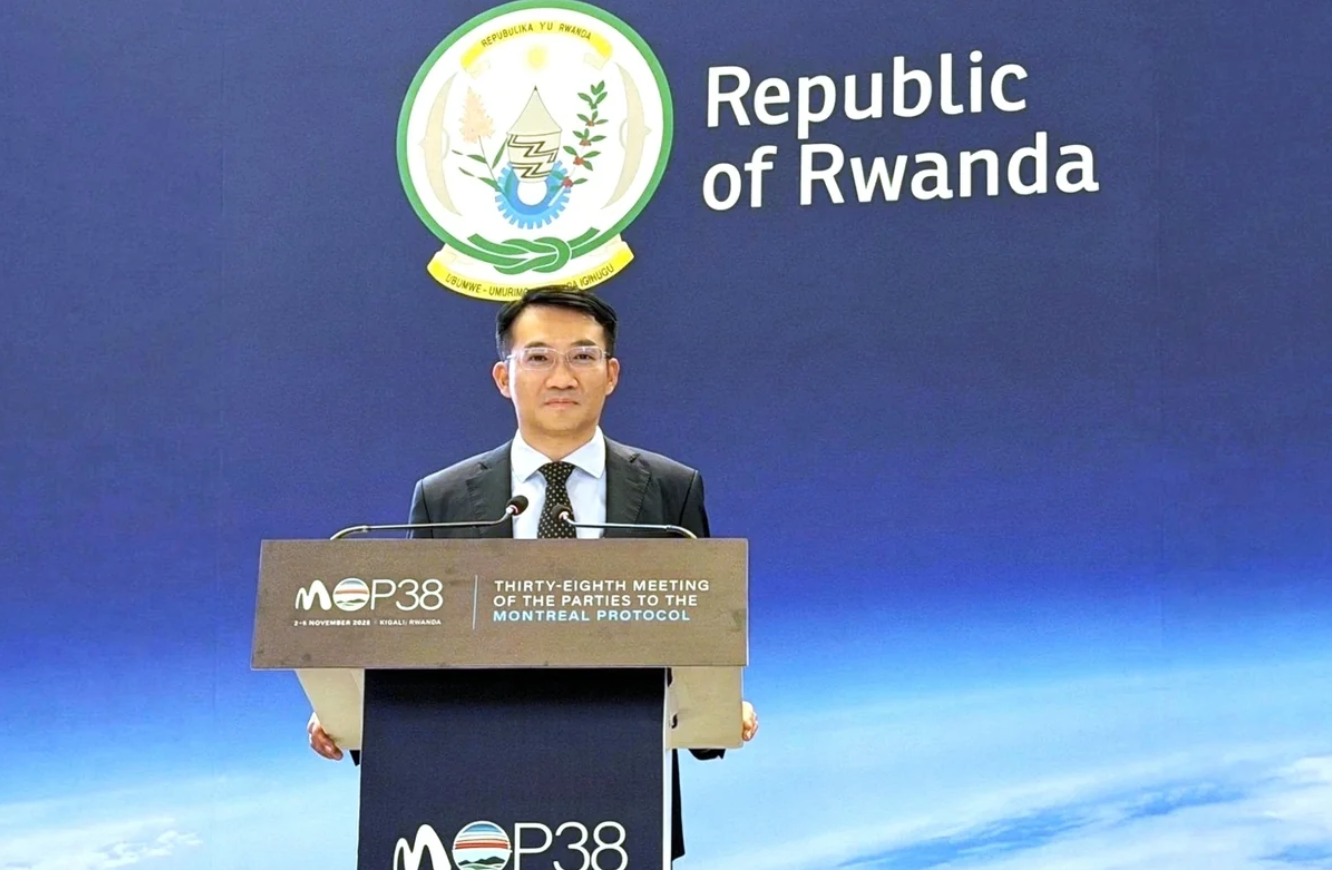
The Vietnamese delegation was led by Mr. Bui Duc Hieu, Deputy Director General of the Department of Climate Change under the Ministry of Agriculture and Environment.
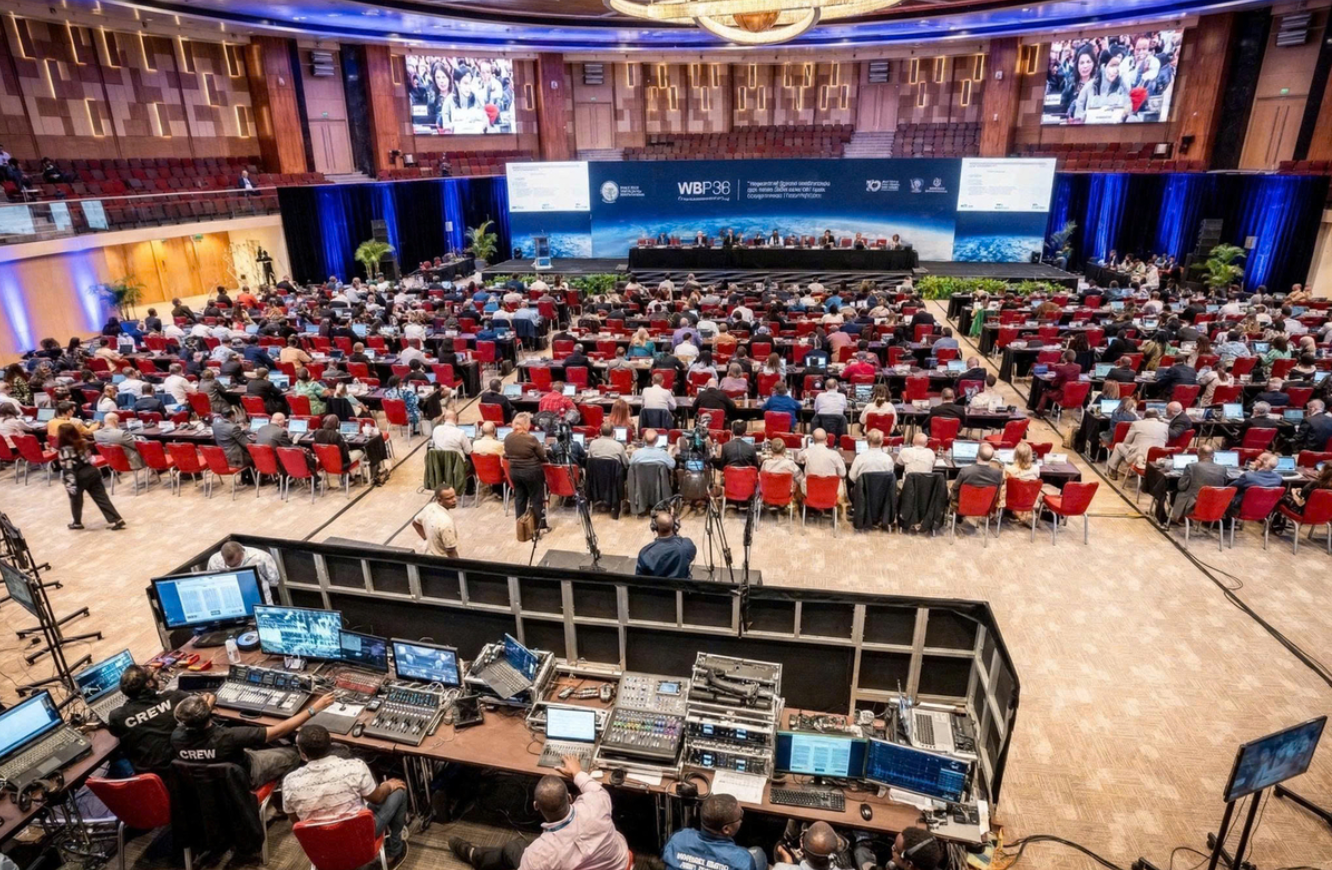
The high-level segment took place in a year marking the 10th anniversary of the adoption of the Kigali Amendment to the Montreal Protocol. The meeting was held in the same city where the amendment was adopted in 2016, marking an important milestone in international efforts to phase down hydrofluorocarbons (HFCs) and help combat climate change.
Reflecting on the Montreal Protocol's achievements in protecting the ozone layer and addressing climate change, delegates stressed the need to strengthen international cooperation, ensure adequate financial resources, promote technology transfer and develop sustainable cooling solutions.
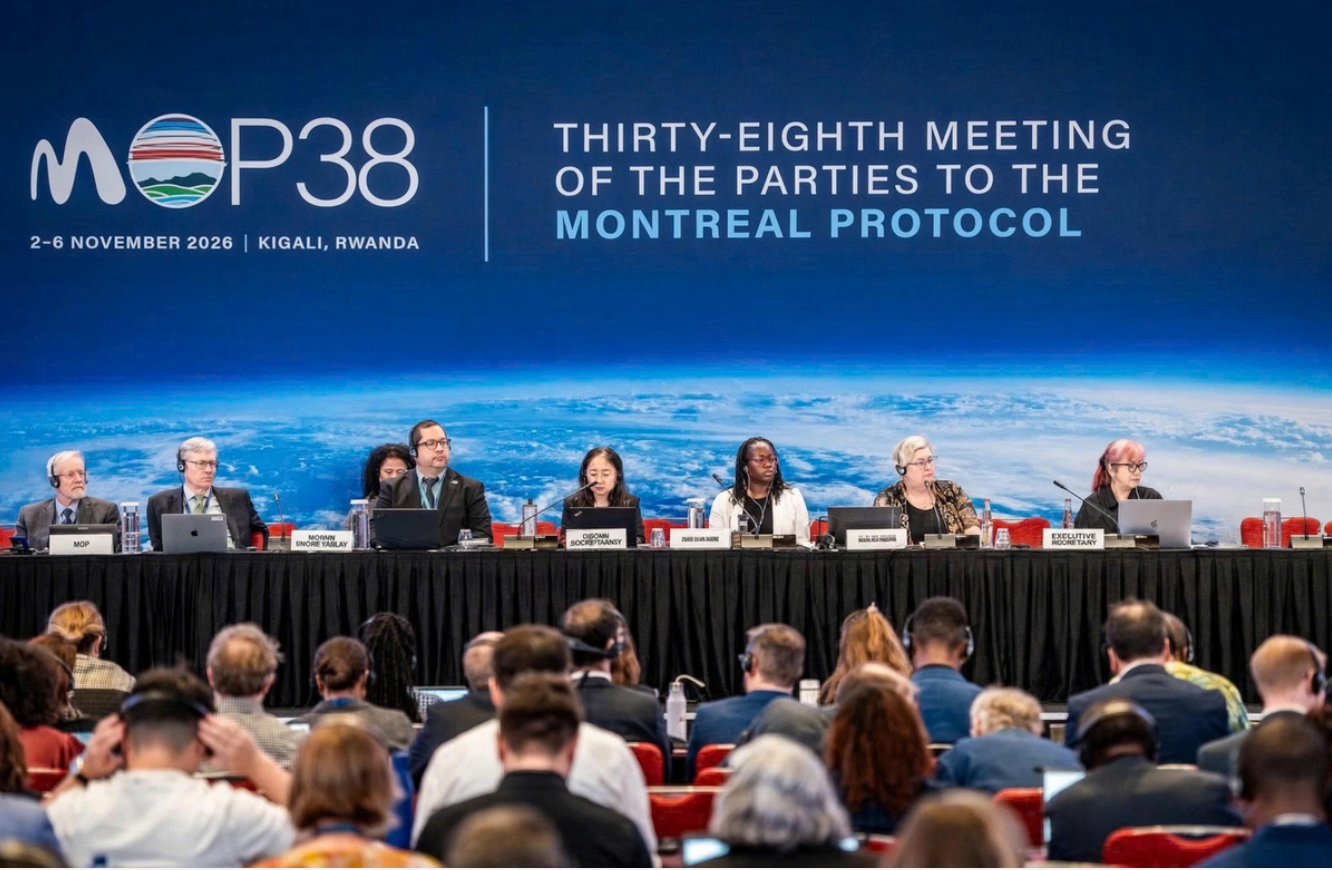
One of the key issues discussed at MOP38 was replenishing the Multilateral Fund for the 2027-2029 period to help developing countries meet their obligations under the Montreal Protocol and the Kigali Amendment. The meeting also considered atmospheric monitoring, the management and control of trade in controlled substances, improving the effectiveness of the Protocol's bodies, and emerging challenges in implementation.
Viet Nam identifies three priorities
In its statement to the MOP38 high-level segment, the Vietnamese delegation highlighted the Montreal Protocol as a strong example of how multilateral cooperation can effectively address global environmental challenges.
Scientific assessments indicate that fully implementing the Kigali Amendment could prevent up to 0.5°C of global warming by the end of this century. The climate benefits could nearly double when the phase-down of HFCs is combined with measures to improve energy efficiency in the cooling sector.
Viet Nam joined the Montreal Protocol in 1994 and ratified the Kigali Amendment in 2019. Over the past three decades, the country has made significant progress in phasing out ozone-depleting substances, continued to follow the HCFC phase-out schedule and gradually reduced HFC consumption in line with its international commitments. In recent years, Viet Nam has strengthened its legal framework and introduced a national quota system to manage HFC consumption. It has also promoted policies on refrigerant lifecycle management and sustainable cooling.
With support from the Multilateral Fund and international partners, Viet Nam has continued to strengthen its technical capacity and work more closely with businesses. Refrigerant inventories and initial initiatives to recover and treat used refrigerants have helped identify practical challenges in developing a sustainable refrigerant lifecycle management system.
Experience shows that appropriate regulations and technologies alone are not enough. A well-trained technical workforce, effective collection networks, reliable data systems and sustainable financing mechanisms are also essential to putting these measures into practice.
In response to growing cooling demand, Viet Nam has identified three priorities for the coming period.
First, ensure adequate and predictable funding from the Multilateral Fund, particularly for the 2027-2029 period. Funding should reflect the actual needs of developing countries as they transition to new technologies, strengthen their capacity, and support the refrigeration and air-conditioning service sectors.
Second, closely link the HFC phase-down with improvements in energy efficiency. This will require better access to appropriate technologies, technical assistance and capacity-building. Such efforts can maximize climate benefits while ensuring that safe and affordable cooling solutions remain accessible and suited to the circumstances of developing countries.
Third, strengthen refrigerant lifecycle management, particularly the recovery, recycling, reclamation and environmentally sound destruction of refrigerants. These measures are essential to reducing emissions from refrigerants already contained in existing equipment. Viet Nam emphasized the need for practical solutions and sustainable financing mechanisms to support these activities, particularly in developing countries.
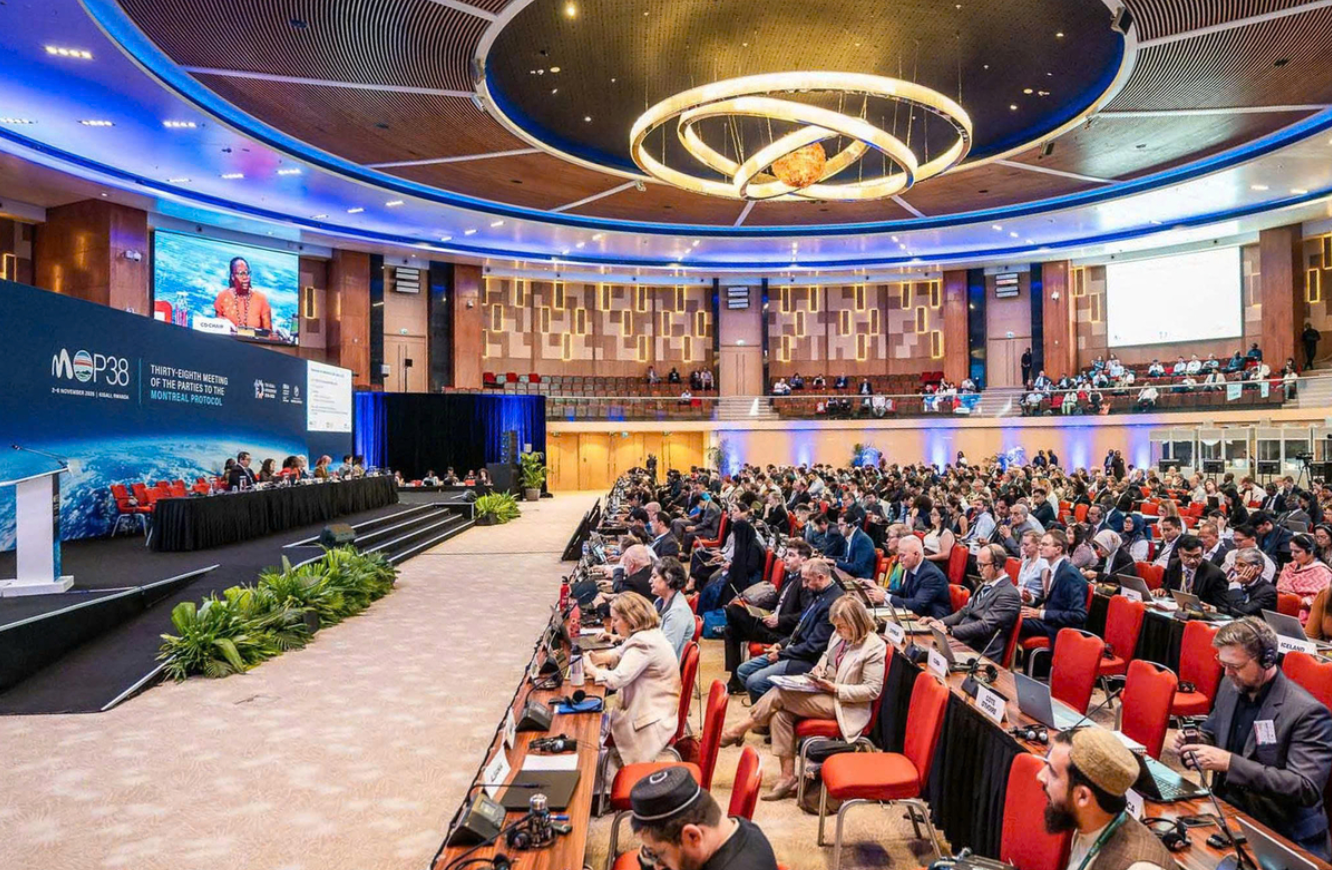
The delegation also highlighted the importance of reliable data, atmospheric monitoring and scientific cooperation in supporting the implementation of the Montreal Protocol. Viet Nam expressed its desire to further strengthen international exchanges and cooperation in these areas, taking into account each country's conditions and technical capacity.
Its statement also stressed the need to strengthen institutions, maintain implementation capacity, and proactively address emerging challenges to safeguard the progress already achieved.
Viet Nam reaffirmed its commitment to effectively implementing the Montreal Protocol and the Kigali Amendment, while strengthening cooperation with member countries, the Multilateral Fund and international partners. These efforts will contribute to protecting the ozone layer, tackling climate change and delivering long-term benefits for future generations.
Viet Nam actively contributes to discussions and international cooperation
Ahead of the high-level segment, the Vietnamese delegation took part in MOP38 preparatory meetings from November 2-4. Discussions covered replenishing the Multilateral Fund for 2027-2029, atmospheric monitoring and improving the management of controlled substances.
On atmospheric monitoring, Viet Nam proposed greater consultation with developing countries, particularly those with the potential to host monitoring activities, to ensure that these initiatives are feasible and sustainable.
As part of activities marking the 10th anniversary of the Kigali Amendment, representatives of the Department of Climate Change also joined thematic discussions and shared Viet Nam's experience in developing policies for refrigerant lifecycle management, conducting inventories, applying digital tools, and recovering and treating refrigerants. They also discussed practical challenges, including limited technical capacity, gaps in collection networks and funding constraints.
On the sidelines of the meeting, the Vietnamese delegation held discussions with international partners on atmospheric monitoring, refrigerant lifecycle management and sustainable cooling. These exchanges helped strengthen technical cooperation and support Viet Nam's efforts to fulfil its international commitments.
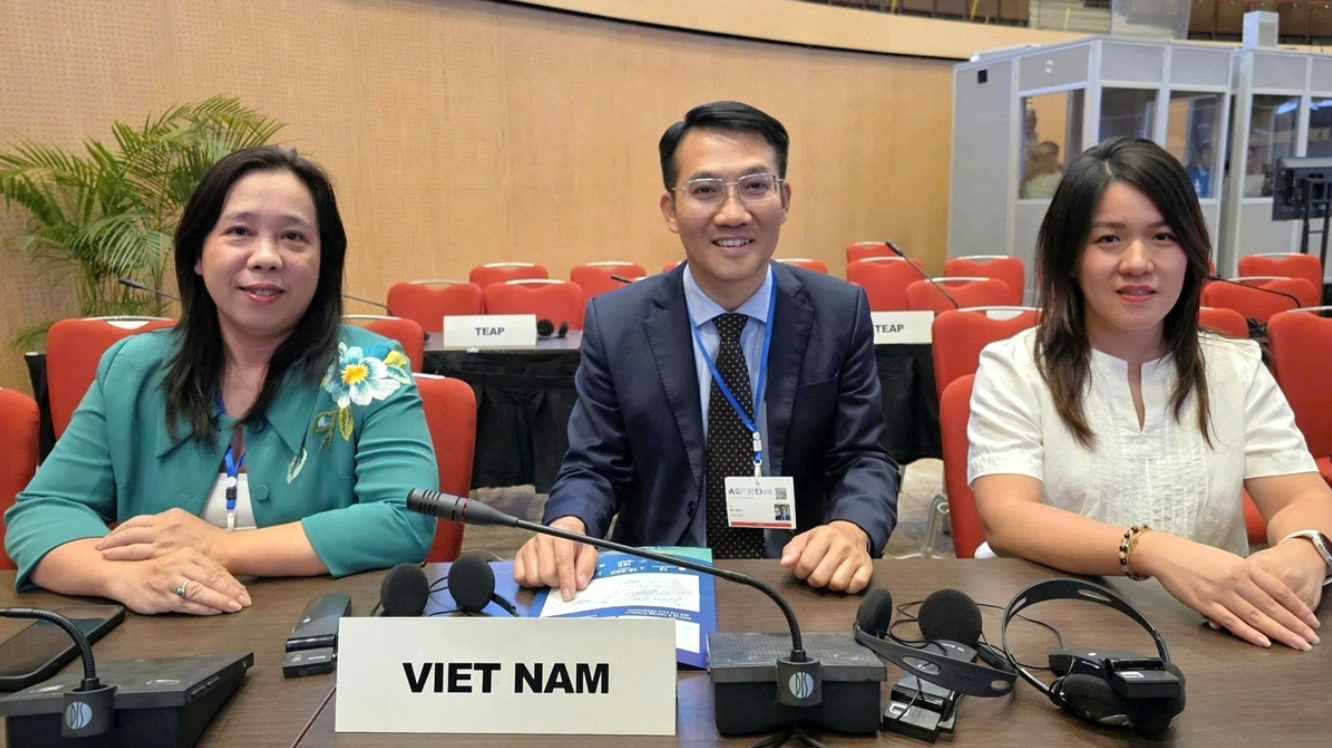
MOP38 took place from 2-6 November 2026. Through its participation in discussions, sharing of practical experience and efforts to promote international cooperation, Viet Nam reaffirmed its commitment to implementing the Montreal Protocol and the Kigali Amendment, contributing to global efforts to protect the ozone layer and address climate change.
Khanh Ly