Proposal for flower and ornamental plant exhibitions
A proposal to organize a specialized exhibition on flowers and ornamental plants, linking commerce with the development of green urban spaces in Viet Nam.
Linking flower and ornamental plant with green living spaces
Flowers and ornamental plants can contribute substantially to urban development by enhancing landscapes, microclimates, and living quality. This represented the core focus of the workshop "Promoting Cooperative Development of the Floriculture, Ornamental Horticulture, and Green City Sector in Viet Nam," recently held in Hanoi.
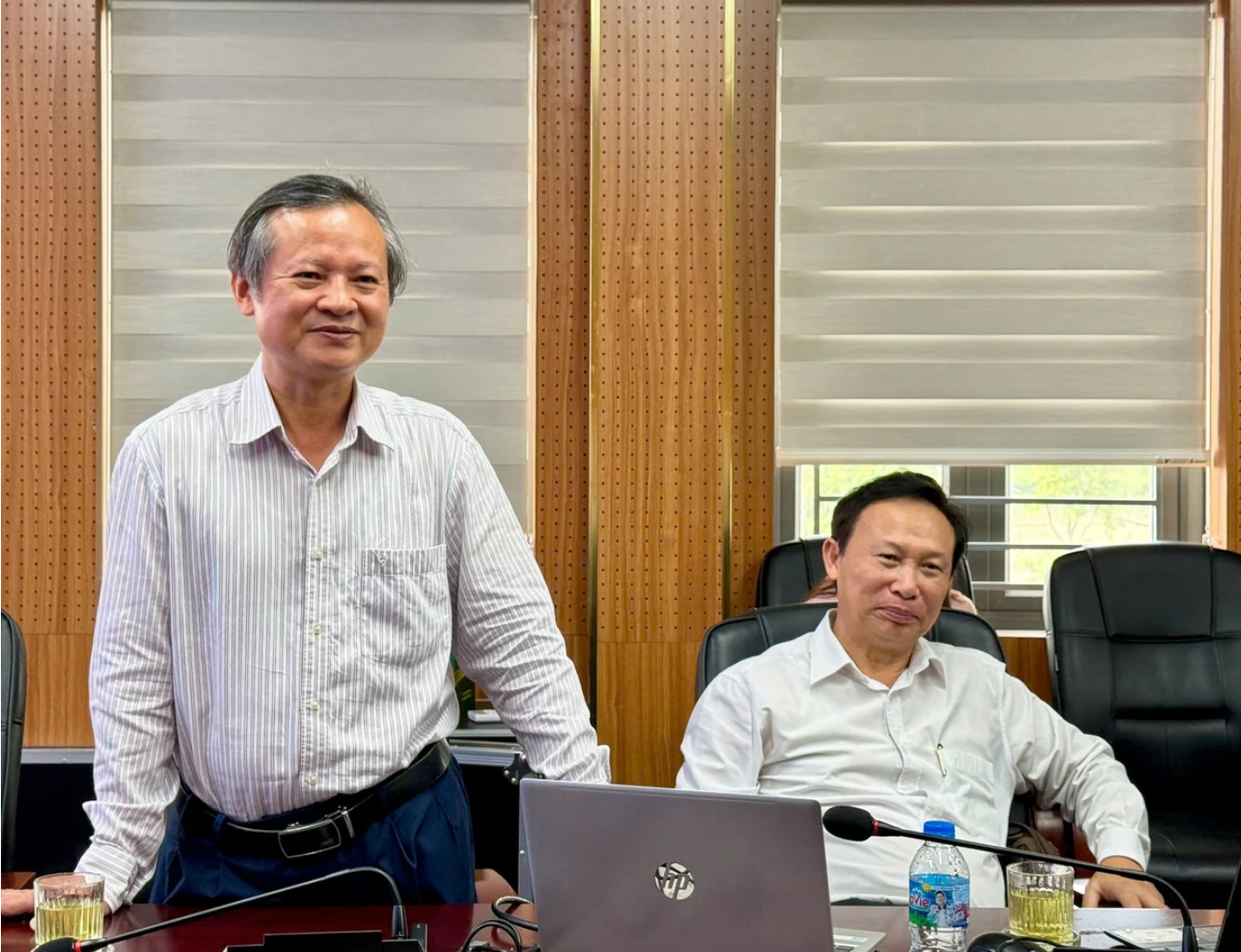
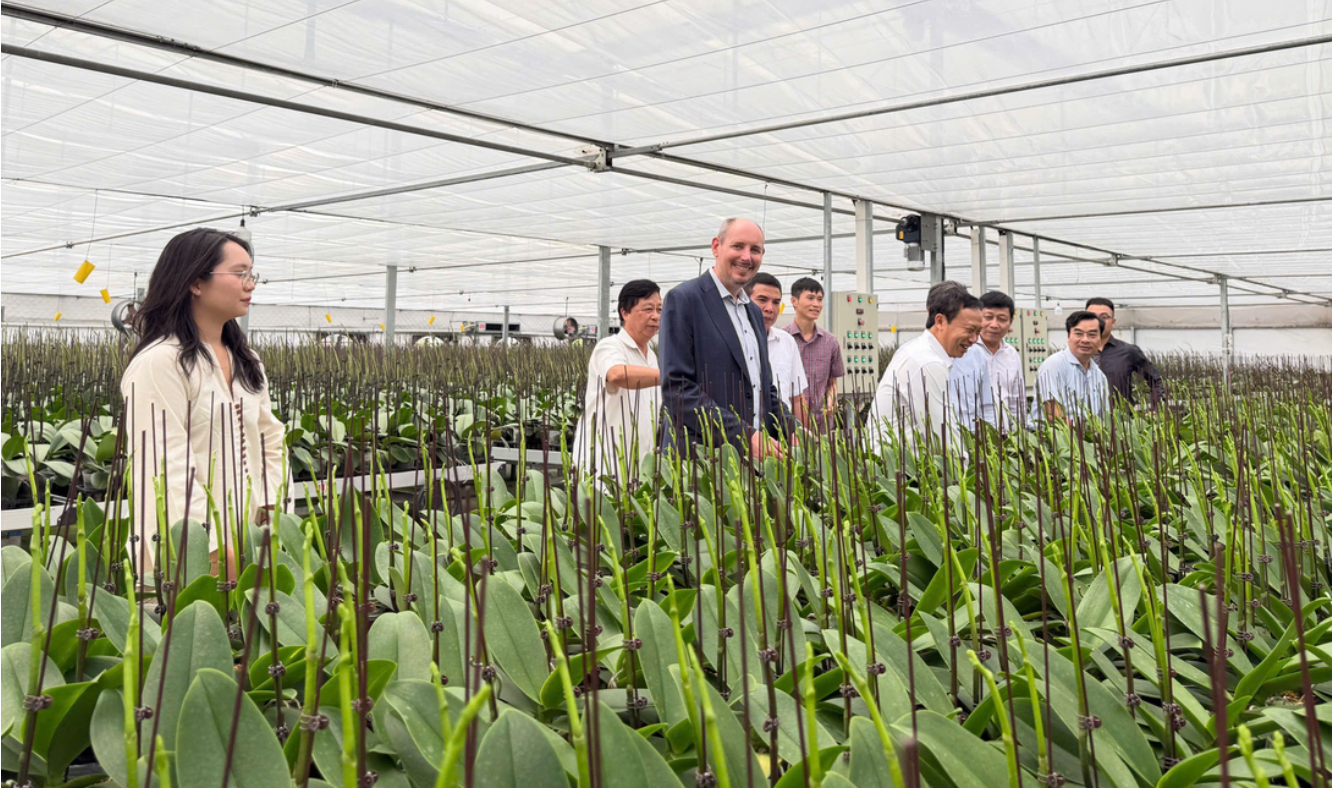
The event was organized by the High-Performing Research Group on "Genetic Resources, Breeding, and Technologies for Flowers and Ornamental Plants" under the Center for Research and Development of Flowers and Ornamental Plants, Fruits and Vegetables Research Institute (Viet Nam National University of Agriculture), during the official working and survey mission to Viet Nam by the International Association of Horticultural Producers (AIPH).
Assoc. Prof. Dr. Nguyen Quoc Hung, Director of the Fruits and Vegetables Research Institute, noted that direct dialogue among research institutions, professional associations, and international experts helps showcase research outputs, production models, and collaboration demands. This also provides an avenue to access quality management practices, market development strategies, and technological applications.
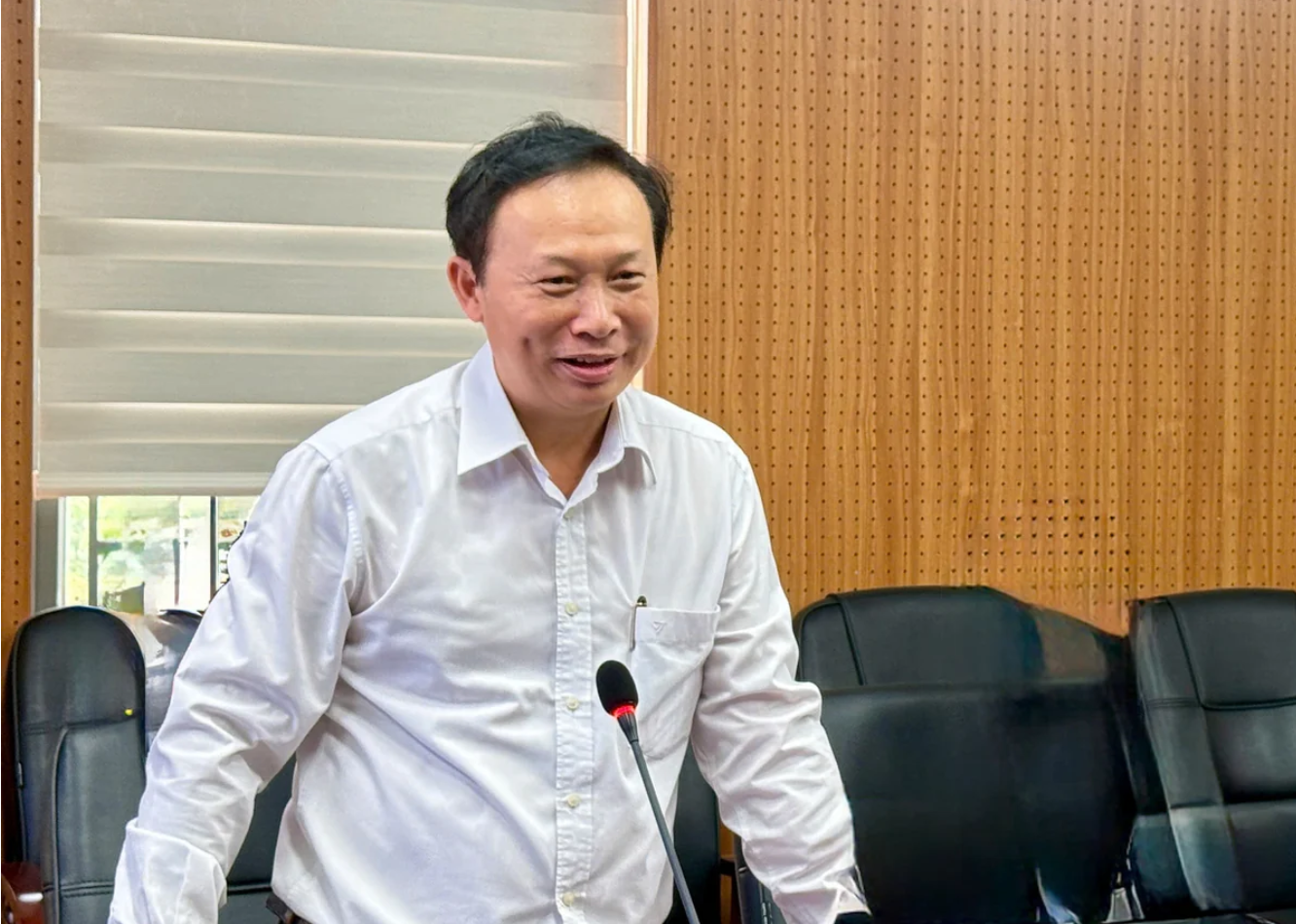
Dr. Nguyen Huu Van, President of the Viet Nam Ornamental Biological Association, underscored the need for multi-stakeholder collaboration to bridge cultivation, research, and commerce. He recommended connecting specialists, exchanging market intelligence, and identifying appropriate partnership frameworks to augment product value, closely aligning industry growth with sustainable green urban spaces.
According to Assoc. Prof. Dr. Dang Van Dong, Deputy Director of the Fruits and Vegetables Research Institute, Viet Nam possesses advantages in diverse ecological zones, rich native germplasm, a traditional horticultural heritage, and craft village networks. Urbanization, ecotourism, and rising quality-of-life demands are generating expanding markets for cut flowers, potted plants, interior foliage, and urban landscape greenery.
Domestic research has achieved marked progress in varietal selection, tissue culture, and rapid propagation of disease-free planting stock. However, the sector still grapples with inconsistent quality, intellectual property bottlenecks for plant varieties, seedling standards, integrated pest management, post-harvest preservation, and structured off-take channels. Therefore, future development must focus on standardizing value chains, upskilling technical workforces, and enforcing product grades.
An exhibition connecting products, technologies, and markets
To drive collaboration and market expansion, Assoc. Prof. Dr. Dang Van Dong proposed exploring a specialized floriculture and ornamental horticulture exhibition in Viet Nam under the tentative theme: “Vietnamese Flowers and Ornamental Plants for Green Cities.”

The green city theme establishes a strategic bridge between horticultural production and urban landscaping demands. Practical field models that meet the criteria may also serve as baselines for Vietnamese municipalities to explore the AIPH World Green City Awards program.
Mr. Tim Briercliffe, AIPH Secretary General, commended Viet Nam's horticultural potential, particularly its diverse genetic resources, applied research capacity, and high-tech farming models. He highlighted opportunities to connect international experts, including Dutch horticultural networks, to exchange insights on plant breeding, variety protection, production scheduling, and standard upgrading.
The AIPH Secretary General noted that export development demands a structured roadmap backed by rigorous preparation across product consistency, financing, cold-chain logistics, and market partnerships.
The parties also outlined projected cooperation orientations for the 2027-2030 period, spanning vocational training, varietal testing, micropropagation technologies, seedling health surveillance, biosecurity, and plant breeders' rights (PBR). The Viet Nam Ornamental Biological Association can mobilize occupational networks; the Fruits and Vegetables Research Institute and Viet Nam National University of Agriculture will oversee research and training; while enterprises and agricultural cooperatives implement pilot and scaled commercial production.
The project scope, financing resources, and execution mechanisms, including the exhibition proposal, remain subject to further study and formal consensus among stakeholders before official rollout.
Mai Dan