Vietnamese pomelo eyes Japanese market from 2027
The Viet Nam Fruit and Vegetable Association (VinaFruit) expects to begin exporting Vietnamese pomelos to Japan in the 2027 harvest season.
The prospect of fresh Vietnamese pomelos entering the Japanese market is drawing closer as trade promotion and business networking activities between the two countries gain momentum. If the necessary procedures are completed on schedule, the first shipments of Vietnamese pomelos could reach Japan as early as the 2027 harvest season.
A delegation from the Viet Nam Fruit and Vegetable Association (VinaFruit) is currently in Japan to promote fruit trade, seek business partners and advance procedures for fresh pomelo exports. According to the association, the outlook for Vietnamese pomelo exports to Japan depends on progress in completing the market access process. This is a crucial step in enabling Vietnamese pomelos to enter another market known for its stringent quality and food safety requirements.
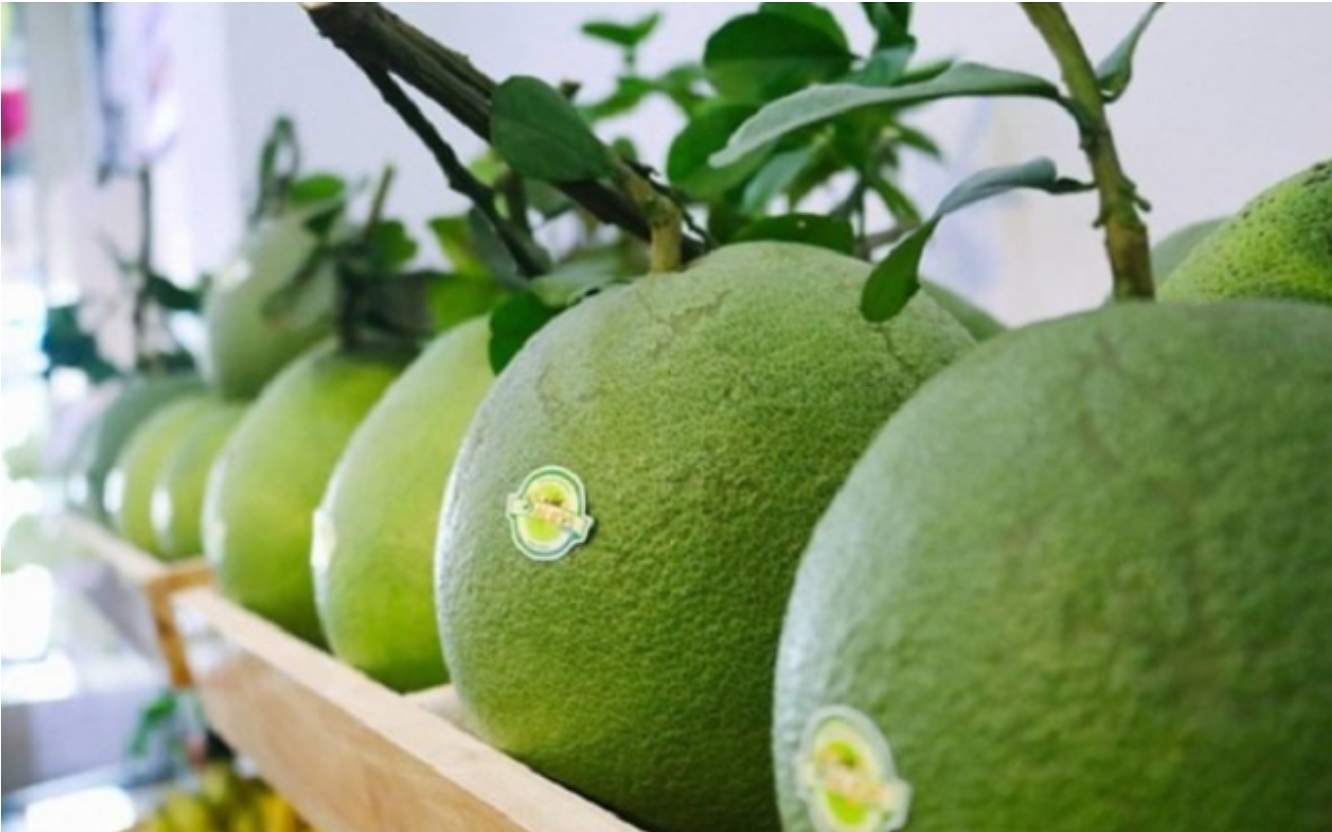
Earlier, during talks between Vietnamese Minister of Agriculture and Environment Trinh Viet Hung and Japanese Minister of Agriculture, Forestry and Fisheries Takebe Arata on November 7, the Japanese side also called on the two countries to accelerate market-opening procedures for pomelos and several other fruits, including grapes, peaches and passion fruit.
Viet Nam currently has more than 100,000 hectares of pomelo plantations, producing nearly one million tonnes annually. Several varieties have established strong brands and commercial value, including Da Xanh, Nam Roi and Dien pomelos. In 2026, the country's pomelo production target is approximately 1.2 million tonnes.
Vietnamese pomelos are already exported to 14 countries and territories, including the US, the Republic of Korea and New Zealand. In April 2026, Da Xanh pomelos officially entered the Australian market. Viet Nam has also signed a protocol with China to export pomelos and lemons.
Gaining access to the Japanese market would create another export outlet for Vietnamese pomelos, while allowing businesses and growers to diversify their export destinations.
However, meeting import market requirements remains essential to making the most of this opportunity. Preparations must be coordinated across the entire supply chain, from the organization of growing areas and quality control to food safety, preliminary processing, packaging and preservation, ensuring compliance with Japanese regulations.
If Japan grants export approval, It will become a notable new destination for Vietnamese pomelos, helping increase the fruit's value and create further growth opportunities for the country's fruit sector.
Minh Hanh