Farmers must be at the heart of food systems transformation
Food systems transformation must put farmers, particularly smallholder farmers and women, at the centre to ensure a fair distribution of benefits.
At a side event titled “Towards Sustainable Development - Transforming Viet Nam’s Food Systems: From Climate Commitments to Practical Action”, held at the Viet Nam Pavilion, a thematic panel discussion attracted considerable interest from international delegates attending the 31st UN Climate Change Conference (COP31) in Antalya, Türkiye.
Moderated by Imelda Bacudo of the Food and Agriculture Organization of the United Nations (FAO), the session focused on practical solutions to translate emissions reduction targets into action in the fields and consumer markets.
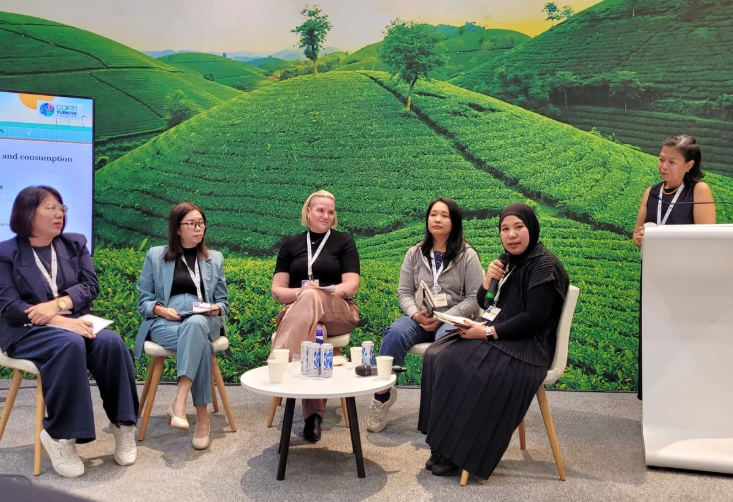
Drawing on experience from the Mekong Delta, Ms. Nguyen Thi Thu Huong, Deputy Director General of the Department of Crop Production and Plant Protection under the Ministry of Agriculture and Environment, said the project to develop one million hectares of high-quality, low-emission rice cultivation is gradually reshaping traditional farming practices. Key priorities include providing regular technical training, strengthening the management capacity of cooperatives and investing in improved on-farm irrigation infrastructure to support sustainable production.
On market linkages, Ms. Lindsay Umalla, Program Manager at SNV Netherlands Development Organisation in Viet Nam, highlighted an inclusive value chain model developed under a project to transform the rice value chain towards climate resilience and sustainability in the Mekong Delta. Clear economic incentives, she said, are key to encouraging businesses and smallholder farmers to jointly adopt low-emission farming practices.
Highlighting the role of women farmers, Irish Baguilat of the Asian Farmers' Association (AFA) said women play a central role in disaster resilience and adaptation but often face difficulties accessing resources. She stressed the need to ensure their equal participation in decisions on how benefits are distributed throughout agricultural value chains.
Ms. Huynh Thi Thanh Tuyen, Food Environment Manager at the International Center for Tropical Agriculture (CIAT), emphasised the importance of placing farmers at the centre of both supply chains and healthy consumption. Policies should prioritise strengthening food systems governance through coordinated efforts among government agencies, businesses and development partners to ensure a balanced distribution of benefits among stakeholders. Greater support should also be provided to small and medium-sized enterprises and cooperatives supplying healthy food, helping reduce cost barriers and making safe, nutritious food more accessible to consumers.
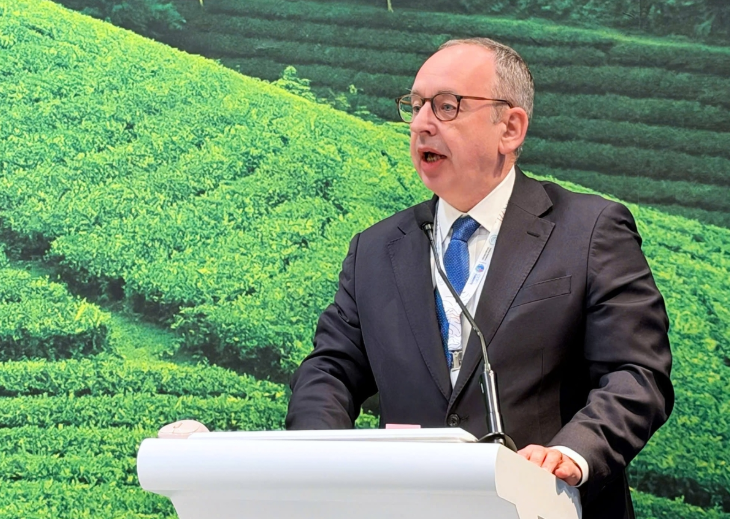
On the financing front, Yevgeniy Zhukov, Director General of the Climate Change and Sustainable Development Department at the Asian Development Bank (ADB), affirmed that the bank stands ready to help Viet Nam access green financing. ADB has committed USD 40 billion to support food security and food systems transformation during 2022-2030. It has also set a target to ensure that 25% of its agriculture, food, and rural development projects contribute to improved nutrition by 2030.
These resources will support the entire value chain, from production and harvesting to processing and distribution, helping increase farmers' incomes, improve community nutrition and strengthen climate action efforts in Viet Nam and across the Asia-Pacific region.
According to the delegates, food systems transformation is essential to ensuring food and nutrition security and fulfilling climate commitments. This process requires policies to be closely aligned with realities on the ground, with farmers, particularly smallholder farmers and women, placed at the center to ensure benefits are shared fairly. The transformation must focus not only on sustainable, low-emission production but also on shaping a healthier food consumption environment.
Building on expanded international cooperation, Viet Nam will be better positioned to mobilize long-term investment from development partners.
Khanh Ly