COP31: Driving trade as a catalyst for climate change adaptation
Viet Nam shares experiences in advancing trade policies that support climate change adaptation, enhance resilience, and foster sustainable development.
On the morning of November 13, at the ongoing COP31 Climate Summit in Antalya (Türkiye), Viet Nam shared practical experiences and research findings regarding the role of trade policy in supporting climate change adaptation, particularly across agriculture and key production and export sectors.
The side event, titled "Trade Supporting Climate Change Adaptation: Experiences from Viet Nam," convened at the Viet Nam Pavilion, Expo Center, Antalya, drawing participation from Vietnamese delegates, national delegations, international organizations, and the private sector.
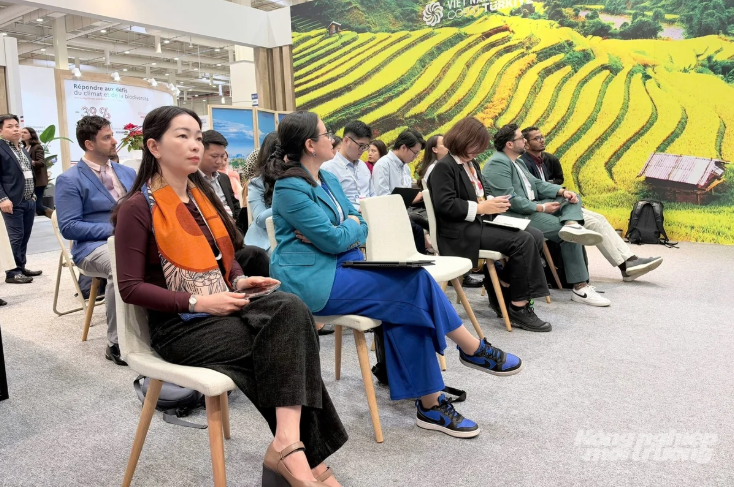
Attending the event were Ms. Mai Kim Lien, Deputy Director General of the Department of Climate Change (Ministry of Agriculture and Environment); Ms. Anne Hammill, Vice President of the International Institute for Sustainable Development (IISD); Ms. Alice Tipping, Director of Trade and Sustainable Development at IISD; and Mr. Aik Hoe Lim, Director of the Trade and Environment Division at the World Trade Organization (WTO).

In her opening remarks, Ms. Mai Kim Lien said the Department of Climate Change aimed for delegates to focus on three priority pillars: practical needs for accessing adaptation technologies, goods, and services; trade policy barriers affecting climate adaptation; and recommendations to refine trade policies to better support adaptation initiatives.
"Climate change adaptation requires concerted cross-sectoral collaboration; and trade, if appropriately steered, can become a decisive driver accelerating resilience and sustainable development," Ms. Mai Kim Lien emphasized.
While international trade has long been featured in climate mitigation deliberations, its role in supporting climate adaptation has not yet received commensurate attention. In recent years, the nexus between trade and climate adaptation has gained growing traction across international policy forums, including dedicated thematic dialogues on trade and climate change under the United Nations Framework Convention on Climate Change (UNFCCC).
In Viet Nam, the Department of Climate Change and the International Institute for Sustainable Development (IISD) jointly researched the role of trade policy in supporting climate change adaptation. A core focal point examined the agricultural sector to identify essential goods and services needed to execute national adaptation priorities, while evaluating trade barriers impeding access to these resources.
Examined barriers encompassed import tariffs, non-tariff measures (NTMs), regulatory requirements, and restrictions governing technical services and foreign specialists.
Research findings indicate that trade policy reforms paired with strengthened international cooperation can broaden access to essential adaptation goods, services, technologies, and know-how. This pathway holds strong potential to elevate the resilience of economic sectors, particularly cornerstone export industries.
Within the event framework, delegates participated in a panel discussion on trade policy solutions to fortify resilience against climate impacts.
Deliberations centered on the significance of trade for climate resilience from a WTO perspective; practical experiences in Vietnam shared by Ms. Tran Thi Thanh Nga, Head of the Climate Change Adaptation Division (Department of Climate Change); and regional and international cooperation avenues outlined by the Australian Government (Department of Foreign Affairs and Trade - DFAT).
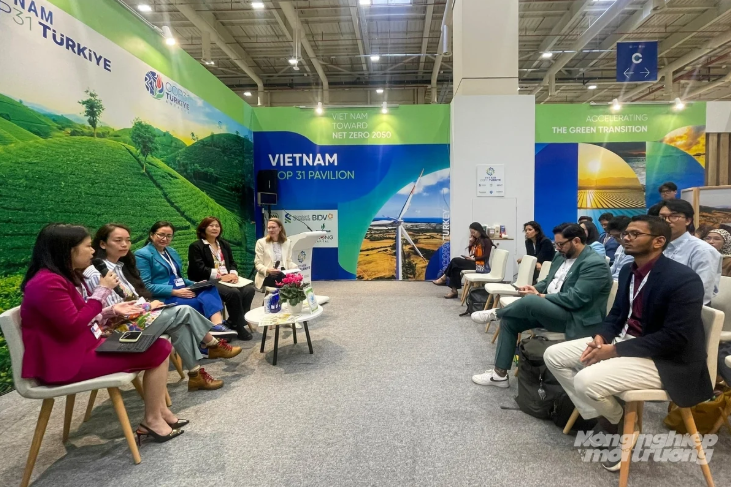
Additionally, private sector and development representatives, Ms. Ellen Van, Investment Director at Mekong Capital, and Ms. Tran Thu Ha, Project Director of the Transforming Rice Value Chains (TRVC) project at SNV Vietnam, shared perspectives on the roles of private enterprises and non-governmental organizations in supporting local communities to develop climate-resilient agricultural production.
Through rigorous exchanges and experience sharing, the event helped clarify the interplay between trade policy and climate change adaptation, while unlocking regional and international cooperation opportunities to enhance access to adaptation resources and build systemic climate resilience.
Khuong Trung