Viet Nam, South Korea cooperate to strengthen meat traceability
South Korea's experience in meat grading, individual animal identification, and DNA testing offers valuable lessons for improving product value and protecting Vietnamese livestock brands.
A tray of beef at a retail outlet can be traced back to an individual animal through a 12-digit identification number. When verification is needed, meat samples collected from the market are compared with DNA samples retained at slaughterhouses to confirm their identity and detect origin fraud.
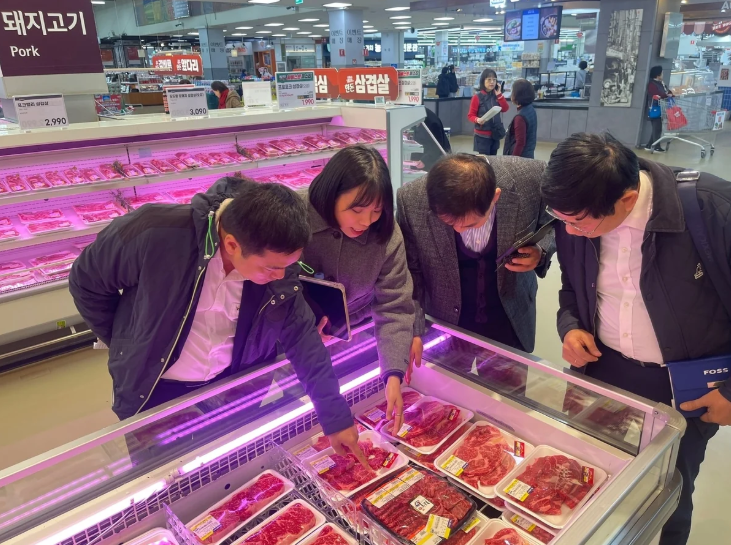
This was among the key practices explored during a Vietnamese delegation's training program, policy exchanges, and field visits to South Korea from November 1-10, 2026.
The delegation included Dr. Nguyen Cong Oanh and Dr. Le Viet Phuong from the Faculty of Animal Science at the Viet Nam National University of Agriculture (VNUA), and Dr. Ta Thi Huong Giang from the Department of Livestock Production and Animal Health. The program was conducted under the KOICA-VNUA project, "Strengthening Human Resource Training Capacity in Animal Science at the Viet Nam National University of Agriculture."
Meat grading helps farmers receive fair value for quality
At Konkuk University, the delegation met experts from the Korea Institute for Animal Products Quality Evaluation (KAPE) to learn about South Korea's meat grading system, which has operated for more than three decades. Professional graders independently assess product quality using standardized criteria.
The system covers beef, pork, poultry, eggs, and honey. Grading and grade labeling are mandatory for beef and pork before distribution, while the requirements remain voluntary for other products.
For Hanwoo beef, the grading system assesses both meat quality and yield, providing a clearer picture of a carcass's characteristics and commercial value.
During a visit to the Nonghyup Livestock Products Auction Center, the delegation observed cattle and pig slaughtering operations, carcass grading, reference sample collection, and electronic auction procedures.
Using DNA to verify origin and protect indigenous breeds
Alongside meat grading, South Korea has developed a continuous traceability system covering livestock production, slaughtering, cutting, packaging, distribution, and retail. Information is maintained throughout the supply chain, allowing consumers to verify product origins.
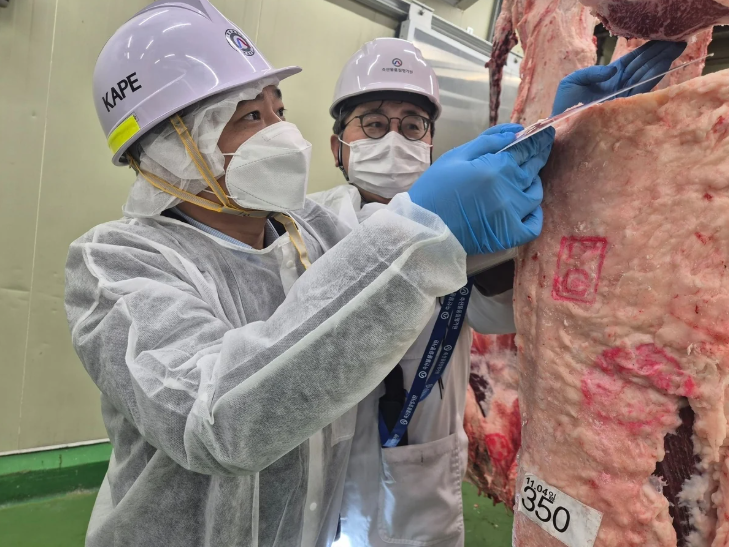
From birth, each Hanwoo calf receives a unique 12-digit identification number attached to an electronic ear tag. Information on farm origin, breed, date of birth, sex, vaccination history, and transportation is recorded in a national database.
After slaughtering and processing, the identification number remains linked to labels or QR codes on individual meat packages. At Nonghyup Hanaro Mart Yangjae supermarket in Seoul, the delegation examined how traceability codes and quality grades are displayed and how customer feedback is collected.
To verify traceability information, South Korea also uses DNA identity testing to prevent origin fraud, such as imported frozen beef being sold as domestically produced Hanwoo beef.
At KAPE's laboratory and TNT Research, the delegation learned how molecular markers are used to compare reference meat samples retained at slaughterhouses with samples randomly collected from the market. The results help identify discrepancies and support enforcement measures.
Dr. Nguyen Cong Oanh noted that DNA technology is also applied in genomic selection. By analyzing genetic data, specialists can estimate an animal's breeding value from an early age, shortening the breeding cycle and improving selection efficiency in nucleus herds.
The experience suggests opportunities for Viet Nam to develop standardized identification codes for livestock farms and individual cattle and buffalo. Electronic ear tags connected to digital databases could support breeding herd management, disease surveillance, and food safety.
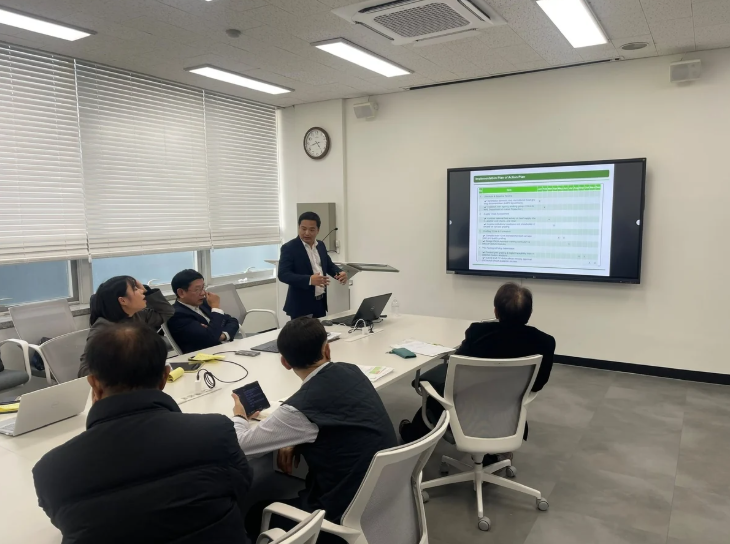
The delegation also proposed using molecular biology research capabilities at Vietnamese universities and institutes to establish DNA identification databases for indigenous breeds, including H'Mong cattle, Vietnamese Yellow cattle, Mong Cai pigs, and Ri chickens. Such databases could support genetic resource conservation and help prevent commercial fraud.
Mai Dan