The goal is sharing knowledge in the Global South, helping rural communities generate income, create local jobs and apply digital tech.
On September 18, in Beijing (China), Dr. Do Quang Tung, Viet Nam's Agricultural and Environmental Counselor to China, attended and spoke at the 2026 World Agri-Food Innovation Conference and World Agri-Food Tech Expo (WAFI 2026).
Sharing Viet Nam's experience, Dr. Tung emphasized that rural transformation must be inclusive, ensuring smallholder farmers and rural communities truly participate in and benefit from development achievements.
Rural areas play a pillar role in ensuring food security, serving as spaces to preserve culture, maintain community life, and act as a crucial foundation for socio-economic stability. Therefore, rural development always holds an important position in Viet Nam's national development strategy.
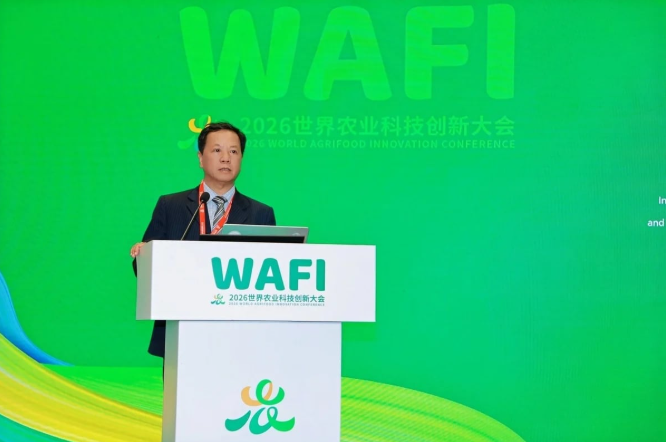 Dr. Do Quang Tung, Viet Nam's Agricultural and Environmental Counselor to China, speaks at the WAFI 2026 event on September 18. Photo: Organizing Committee.
Since 2010, the National Target Program on New Rural Development has had the most profound impact on Viet Nam's rural areas.
In the initial stage, the program focused on investing in essential infrastructure such as transport, irrigation, electricity, schools, and healthcare facilities. However, the approach has gradually shifted from mere infrastructure construction to broader rural economic development and improving the people's quality of life.
From the program's practical implementation, the Vietnamese representative shared four main lessons.
First, citizens must be placed at the center of the rural transformation process. Rural development will struggle to be sustainable if viewed merely as a state-implemented program for the people. Rural residents themselves need to become active participants and subjects in this process.
In many localities across Viet Nam, citizens have voluntarily contributed land, labor, and part of the financial resources. More importantly, people are increasingly involved in determining priorities, discussing development plans, and monitoring implementation. When citizens clearly understand the benefits they can receive and have a voice in decision-making, they are more willing to participate and sustain the results longer.
Second, the State plays a role in orienting and creating a favorable environment, rather than replacing the community and the market.
Rural transformation requires immense resources. In the 2021-2025 period alone, total resources mobilized for new rural development in Viet Nam reached about 112 billion USD, primarily from credit, local budgets, enterprises, other investment programs, and voluntary community contributions.
According to Dr. Do Quang Tung, State investment plays a vital role but cannot meet all needs. A successful transformation requires the participation of multiple stakeholders, including local communities, farmers, cooperatives, businesses, financial institutions, research institutes, and authorities at all levels.
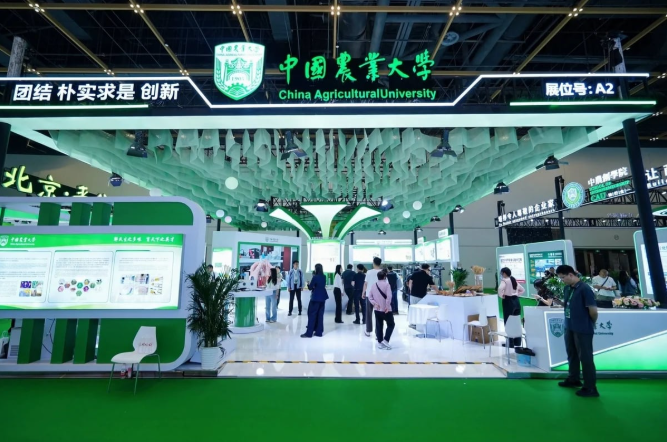 The booth of China Agricultural University at the 2026 World Agri-Food Tech Expo. Photo: Organizing Committee.
Third, rural transformation must create economic and livelihood opportunities right within rural areas. This requirement is becoming increasingly urgent as rural regions face labor migration and demographic shifts.
By 2025, the country had about 22,300 active agricultural cooperatives. Many have transitioned to models linked with value chains, applied new technologies, and participated in developing products under the One Commune One Product (OCOP) program.
As of late June 2025, Viet Nam had 16,855 OCOP products rated 3 stars or higher from 9,822 entities. About 40% of OCOP entities are led by women, and 17.1% by ethnic minorities.
Fourth, rural transformation must be closely linked to social development and environmental protection. Rural economic development cannot be separated from poverty reduction, education, healthcare, culture, and natural resource and environmental protection.
According to the 2025 Rural and Agricultural Survey, the average income in Viet Nam's rural areas reached around 2,230 USD/person/year, nearly double that of 2016. By mid-2025, about 80% of communes nationwide met the new rural standards; the rural poverty rate decreased by an average of 1.03 percentage points annually.
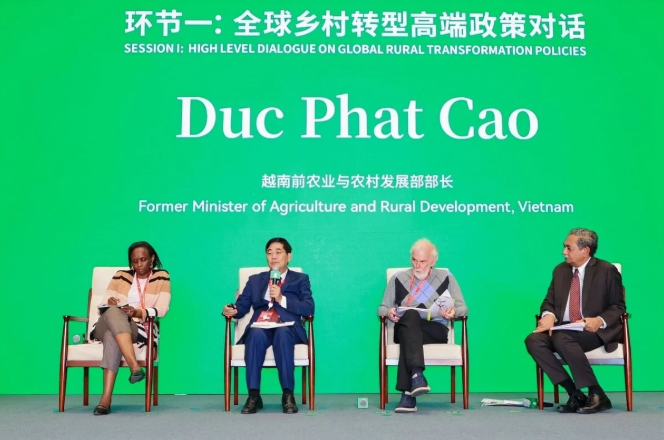 Former Minister of Agriculture and Rural Development Cao Duc Phat speaks at a high-level panel discussion within the WAFI 2026 framework. Photo: Organizing Committee.
Addressing the prospects for Viet Nam - China cooperation, Dr. Do Quang Tung stated that the two countries have great potential to exchange experiences and complement each other in agricultural and rural development.
China has accumulated vast experience in developing e-commerce, logistics, rural industries and services, applying digital technology, building specialized villages, and developing rural enterprises. Meanwhile, Viet Nam holds practical experience in new rural development, OCOP product development, promoting community participation, and mobilizing local resources.
Therefore, cooperation between the two countries needs to gradually expand beyond agricultural trade towards connecting knowledge, technology, people, and rural development models.
Both sides can strengthen cooperation among universities, research institutes, businesses, and local authorities in fields such as smart agriculture, digital platforms, agricultural processing, cold chain logistics, water-saving technology, climate-resilient agriculture, and green production.
Additionally, Viet Nam and China can expand training programs, field surveys, and exchanges for young rural entrepreneurs, farmers, cooperative leaders, and local officials.
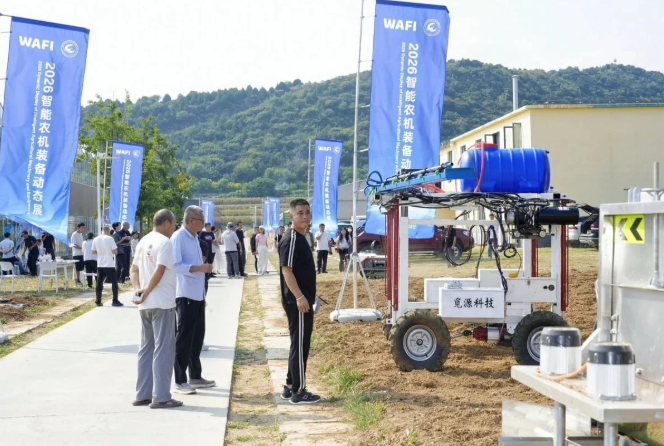 Experts and delegates visit the agricultural machinery demonstration area. Photo: Organizing Committee.
Looking toward the future of rural development in the Global South, Dr. Do Quang Tung proposed establishing an Innovation Partnership for Smallholder Farmers and Rural Startups, connecting China, Viet Nam, and other developing countries.
The initiative aims to connect young rural startups and smallholder farmers with technology, knowledge, finance, and markets. Farmers and rural communities will directly participate in designing and implementing solutions.
The goal is to build practical, scalable models, thereby helping rural communities generate income, expand local employment, and apply green and digital technologies, while simultaneously increasing the value share citizens receive within agricultural and rural economic value chains.
"If countries can learn from each other and adapt successful experiences to suit local conditions, rather than copying a single model, we can form diverse and more practical rural transformation paths", Mr. Tung emphasized.