With support from a Plan project to strengthen climate resilience, ethnic minority women in Quang Tri Province are gaining new livelihood opportunities.
Truong Son and Dan Hoa communes in Quang Tri Province have long been known for local specialties such as forest bamboo shoots, wild chili peppers and upland sticky rice. However, harvest seasons often coincide with prolonged rains and floods, making it difficult to properly preserve agricultural products. As a result, products are often sold fresh at low prices.
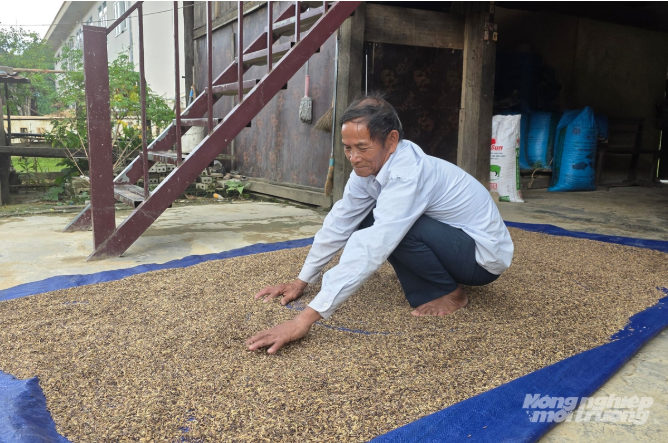 Mountainous areas of Quang Tri Province are home to many specialties such as bamboo shoots, wild chili peppers and upland sticky rice. However, erratic weather caused by climate change, combined with a lack of processing and preservation facilities, has limited their value. Photo: Vo Dung.
Ms. Ho Thi Mai Ly, head of the agricultural processing group in Y Leng Village, Dan Hoa Commune, said the group could only purchase agricultural products in small quantities because it lacked proper storage facilities. As a result, local people had to take their produce to roadside stalls along the national highway and sell it at very low prices.
“People in the village really need support, not only with machinery but also with technical training on how to operate the equipment, process products and market them through social media platforms,” Ly said.
Recognizing this need, in 2026, the Project Management Board under the Quang Tri Department of Agriculture and Environment, in coordination with Plan International’s Quang Tri Office, provided machinery and equipment for agricultural processing in Truong Son and Dan Hoa communes. The initiative is part of the “Supporting climate-resilient agricultural livelihoods to strengthen women's role in disadvantaged communes” project, funded by the Korea International Cooperation Agency (KOICA).
In 2026, the Project Management Board supported the establishment of four agricultural collection and processing groups in the two communes, with two groups in each commune and 10 members per group.
The equipment provided includes bamboo shoot and agricultural product dryers; sesame and peanut oil presses; peanut oil filtration machines; dry grinders; vacuum sealers; stainless steel tables, sales shelves, freezers and refrigerators; herbal processing tools; and other equipment. The average value of support for each group is nearly VND 150 million.
The collective livelihood model, built around the goal “Women lead - a stronger future”, is expected to help ethnic minority women take a more active role in producing, collecting and processing local agricultural products.
In addition to equipment, the agricultural collection and processing groups receive technical support and training in areas such as business planning, teamwork, trade fair participation and sales. These activities are designed to help members not only operate the equipment effectively but also gradually develop efficient and sustainable agricultural businesses.
According to Mr. Le Duc Ha, deputy program manager of Plan in Quang Tri Province, after more than 20 years of cooperation with the province, Plan International’s Quang Tri Office has observed increasingly erratic weather patterns.
“This requires people, particularly ethnic minority communities, to adapt in order to minimize losses across different areas. That is why Plan’s Quang Tri Office decided to provide machinery and equipment to help local people process and preserve agricultural products,” Ha said.
In 2026, the project is being implemented through two components: direct support for agricultural processing machinery and equipment, and efforts to raise public awareness of climate change adaptation. Together, these measures are expected to create better conditions for developing livelihoods among ethnic minority communities in mountainous communes of Quang Tri Province.
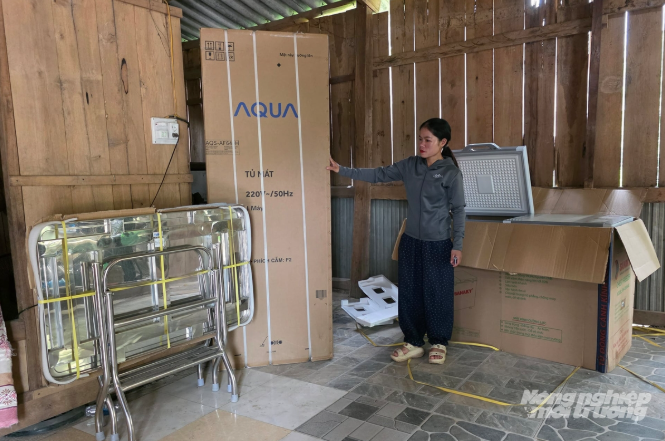 Local residents celebrate receiving machinery and equipment from Plan to support agricultural processing and preservation. Photo: Vo Dung.
“The handover of machinery and equipment is expected to help the agricultural collection and processing groups improve productivity and product quality, reduce post-harvest losses and diversify processed products made from local agricultural produce. This will gradually improve incomes and create stable livelihoods for women and ethnic minority communities in disadvantaged communes, contributing to the effective implementation of the KOICA-funded project in Quang Tri Province”, Mr. Ha said.