Agriculture, fisheries offer significant room for cooperation between Viet Nam, India toward efficient and sustainable value chains.
Viet Nam and Tamil Nadu have many complementary agricultural products, but expanding trade requires more than finding new markets. It also requires improving supply chain quality, from production and quarantine to storage and distribution.
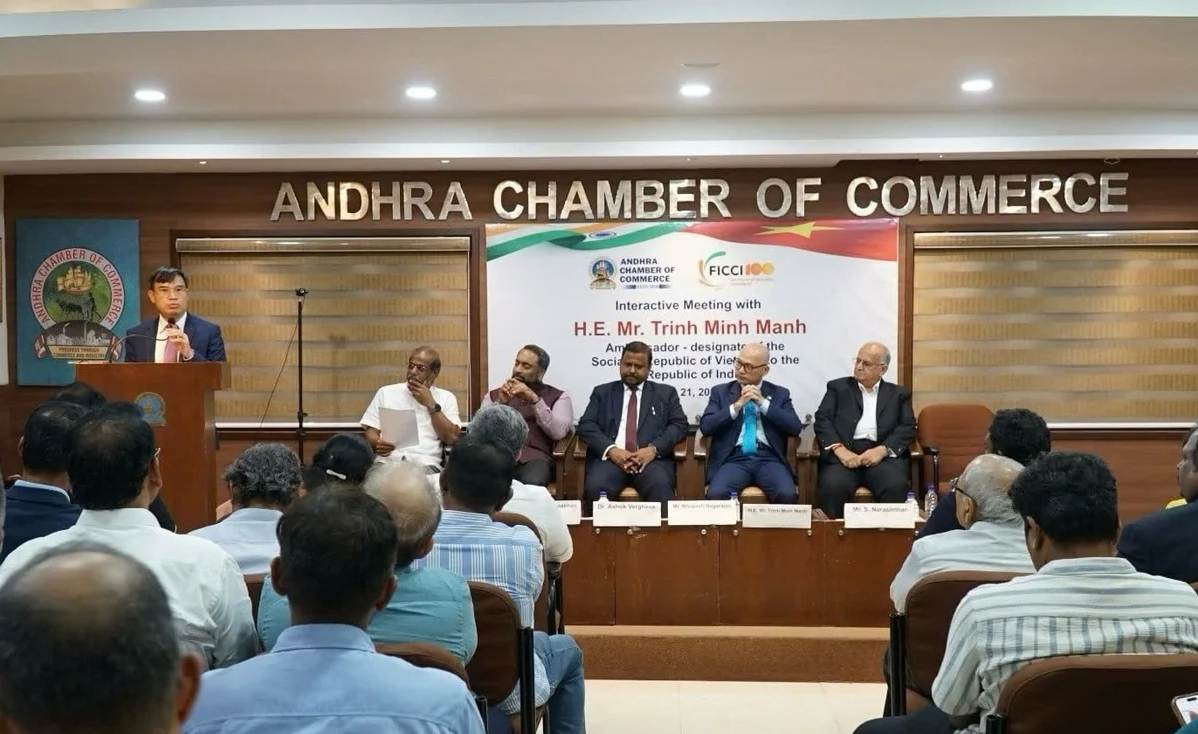 Agriculture, fisheries, food and agro-processing are among the sectors with significant potential for cooperation between Vietnam and Tamil Nadu. Photo: Vietnam Trade Office in India.
At the Viet Nam - Tamil Nadu business networking programme, Bui Trung Thuong, Commercial Counsellor and Head of the Viet Nam Trade Office in India, said agriculture, fisheries, food and agro-processing are among the sectors with significant potential for cooperation. Products discussed included fruits, agricultural produce, seafood, spices and processed foods.
However, according to Mr. Thuong, for bilateral trade flows to develop sustainably, both sides need to address market access, quarantine requirements, quality standards, cold storage, cold-chain logistics and distribution systems at the same time.
The Viet Nam Trade Office proposed strengthening maritime transport links between Chennai, Thoothukudi and Vietnamese ports. Tamil Nadu has advantages due to its location on the Bay of Bengal and its seaport system, while Viet Nam lies along major international shipping routes and has an expanding network of regional connections.
“If we can strengthen direct connections between ports in southern India and Viet Nam, we will not only promote bilateral trade but also connect the two production ecosystems, enabling Tamil Nadu businesses to access ASEAN markets through Viet Nam and helping Vietnamese businesses gain deeper access to the southern Indian market,” Commercial Counsellor Bui Trung Thuong emphasized.
According to the Indian Council of Agricultural Research (ICAR), the state has approximately 4.7 million hectares of cultivated land, while agricultural production faces pressure from water scarcity, imbalanced fertilizer use, micronutrient deficiencies, and saline and alkaline soils. For rice production, water resource management and water-saving practices have been identified as areas requiring greater attention.
From the Tamil Nadu side, the Tamil Nadu Green Climate Company has also identified sustainable management of water, soil and waste as a key focus for supporting climate-resilient agriculture. The state is assessing climate-related water risks in the Chennai basin, including irrigation, industrial and environmental water demand, as well as the potential for reusing treated water to reduce demand for freshwater.
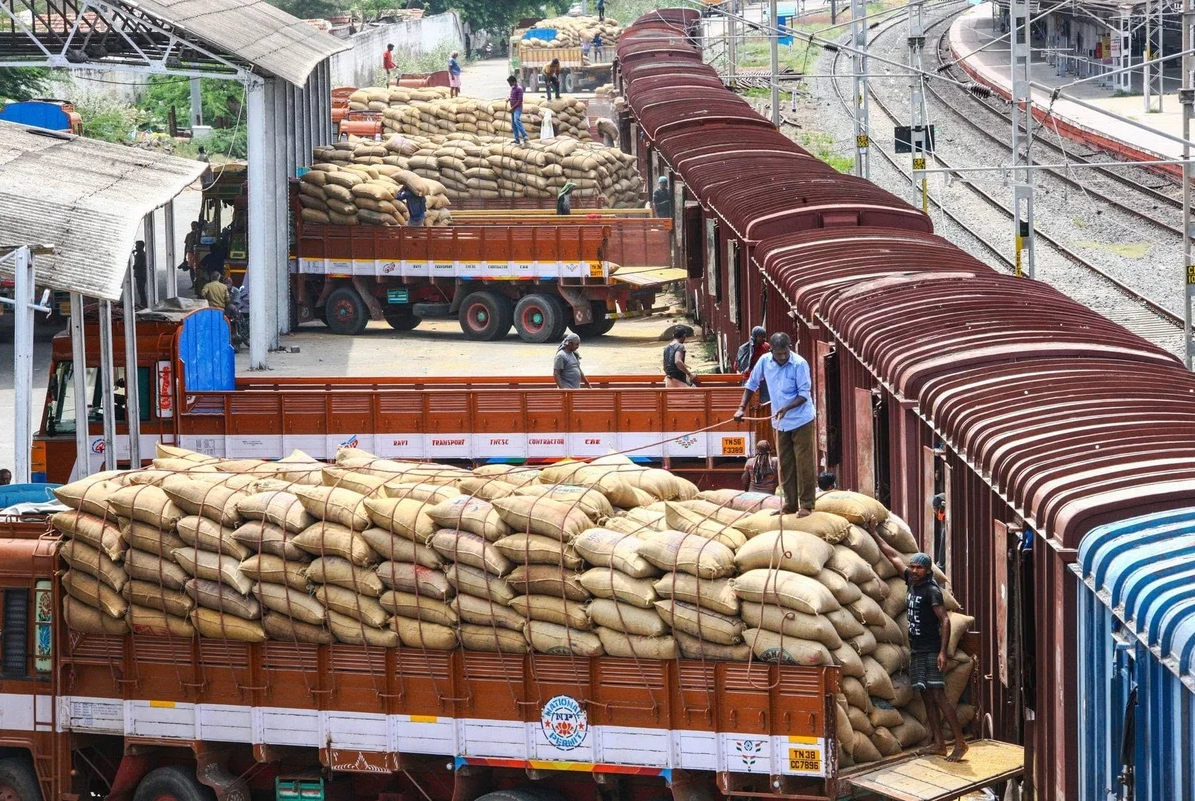 Tamil Nadu has advantages due to its location on the Bay of Bengal and its well-developed port system. Photo: Illustration.
At the bilateral level, India and Viet Nam are also promoting market access for agricultural and fishery products, expanding supply chains and strengthening port connectivity. At the 19th Viet Nam - India Joint Committee, the two sides also discussed expanding economic, scientific and technological cooperation.
More broadly, India-ASEAN agricultural cooperation is increasingly focusing on resilience and sustainable development. At the ASEAN-India Ministerial Meeting on Agriculture and Forestry, the parties identified priority areas including climate-resilient agriculture, low-emission rice production, improved water-use efficiency, AI-enabled digital agriculture, soil health, food safety, post-harvest management, the circular bioeconomy, agroforestry, and the development of resilient value chains.
These cooperation programs also seek to strengthen links among research institutes, technology companies, farmer organizations and the private sector, thereby bringing solutions into practical agricultural production. Post-harvest technologies, food loss reduction, soil and water management, digital transformation and agricultural supply chains could therefore serve as concrete areas for connecting partners across the region.