The Viet Nam - Yamanashi Agri-Forestry-Fisheries Trade Conference unlocks business networking opportunities, boosts agricultural import and export, and deepens bilateral cooperation.
On the afternoon of November 7, a Viet Nam - Yamanashi agricultural, forestry, and fisheries trade conference was held in Yamanashi Prefecture, Japan, attended by Minister of Agriculture and Environment Trinh Viet Hung, Yamanashi Governor Kotaro Nagasaki, and 60 delegates and business representatives from both sides.
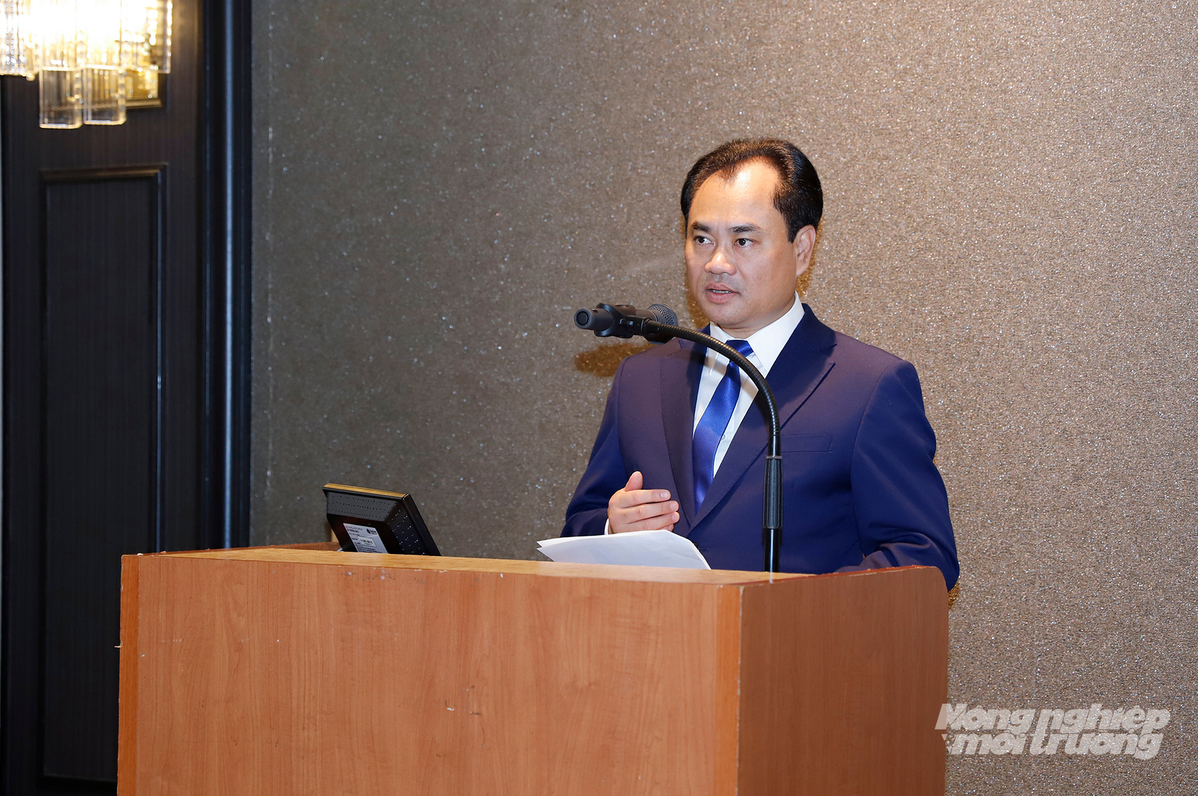 Minister Trinh Viet Hung emphasizes expanding trade in agricultural products where each side has competitive strengths, while exploring cooperation in other promising products. Photo: Khuong Trung.
Speaking at the conference, Minister Trinh Viet Hung reaffirmed Viet Nam's commitment to cooperation with Japan, particularly in agriculture. Japan is one of Viet Nam's leading economic partners and major export markets for agricultural, forestry, and fishery products.
Meanwhile, Yamanashi Prefecture is known for its high-quality agricultural products, especially grapes, and advanced production and processing technologies. These complementary strengths offer significant opportunities to expand bilateral cooperation.
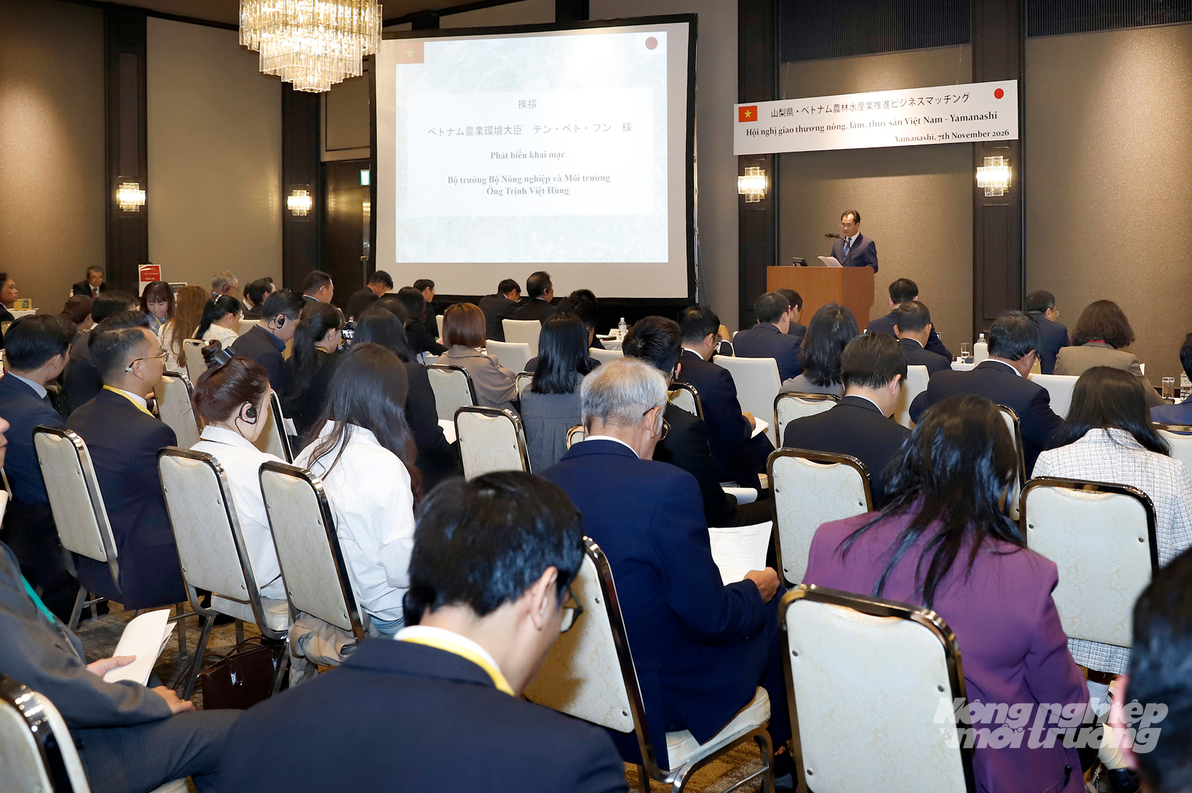 The Viet Nam - Yamanashi Agricultural, Forestry and Fisheries Trade Conference. Photo: Khuong Trung.
The conference gave government agencies, associations, and businesses from both countries a chance to exchange information on import regulations, explore Yamanashi's agricultural strengths, showcase their capabilities, and build direct trade connections.
Minister Trinh Viet Hung emphasized expanding trade in key agricultural products, including Japanese grapes and peaches, and Vietnamese green-skinned pomelos and passion fruit. He also encouraged cooperation in coffee, rice, matcha, and other promising products to improve market access for high-quality agricultural, forestry, and fishery products.
To realize this potential, the Minister called for stronger business connections, information sharing, and removing barriers related to market access, quality standards, quarantine, and food safety. He also proposed closer cooperation in agricultural science, technology, digital transformation, and post-harvest rice straw management.
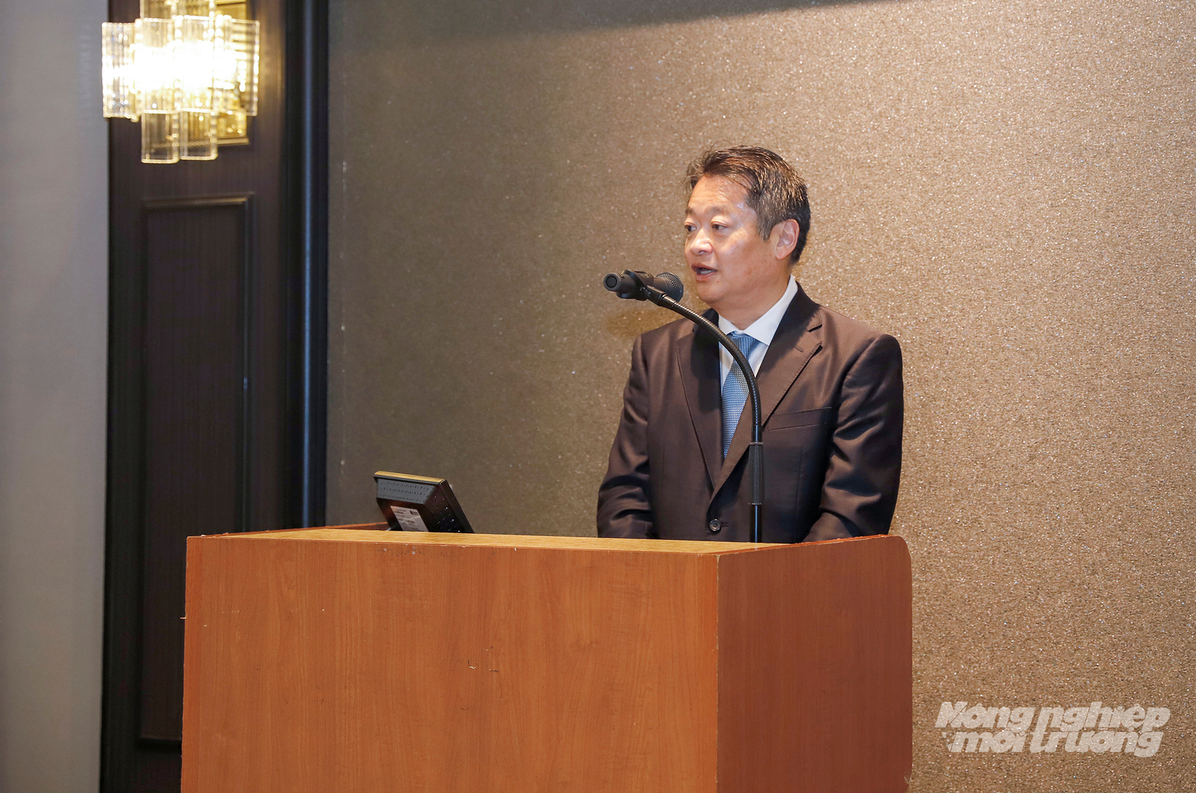 Governor Kotaro Nagasaki hopes phytosanitary negotiations between the two countries will be completed soon, paving the way for official exports of Japanese grapes to Viet Nam. Photo: Khuong Trung.
In technology cooperation, Viet Nam seeks joint research on crop and livestock breeding, agricultural processing and preservation, and production models meeting Japanese standards. Both sides were also encouraged to explore advanced technologies, including robotic arms for harvesting and sorting agricultural products.
Minister Trinh Viet Hung particularly highlighted post-harvest rice straw management. Viet Nam generates around 61 million tonnes of rice straw annually, including approximately 27 million tonnes from the Mekong Delta. This substantial volume requires effective solutions to utilize agricultural by-products and reduce pollution from open burning. Viet Nam hopes Yamanashi will share its expertise and technologies and jointly develop practical solutions.
Governor Kotaro Nagasaki said the business networking event followed Minister Trinh Viet Hung's proposal during his May 2026 visit to Yamanashi. The conference attracted numerous organizations and businesses, including around 30 Vietnamese companies interested in cooperation with Japan.
As Japan's leading grape-producing prefecture, Yamanashi hopes bilateral phytosanitary negotiations will conclude soon, allowing Japanese grapes to officially enter the Vietnamese market.
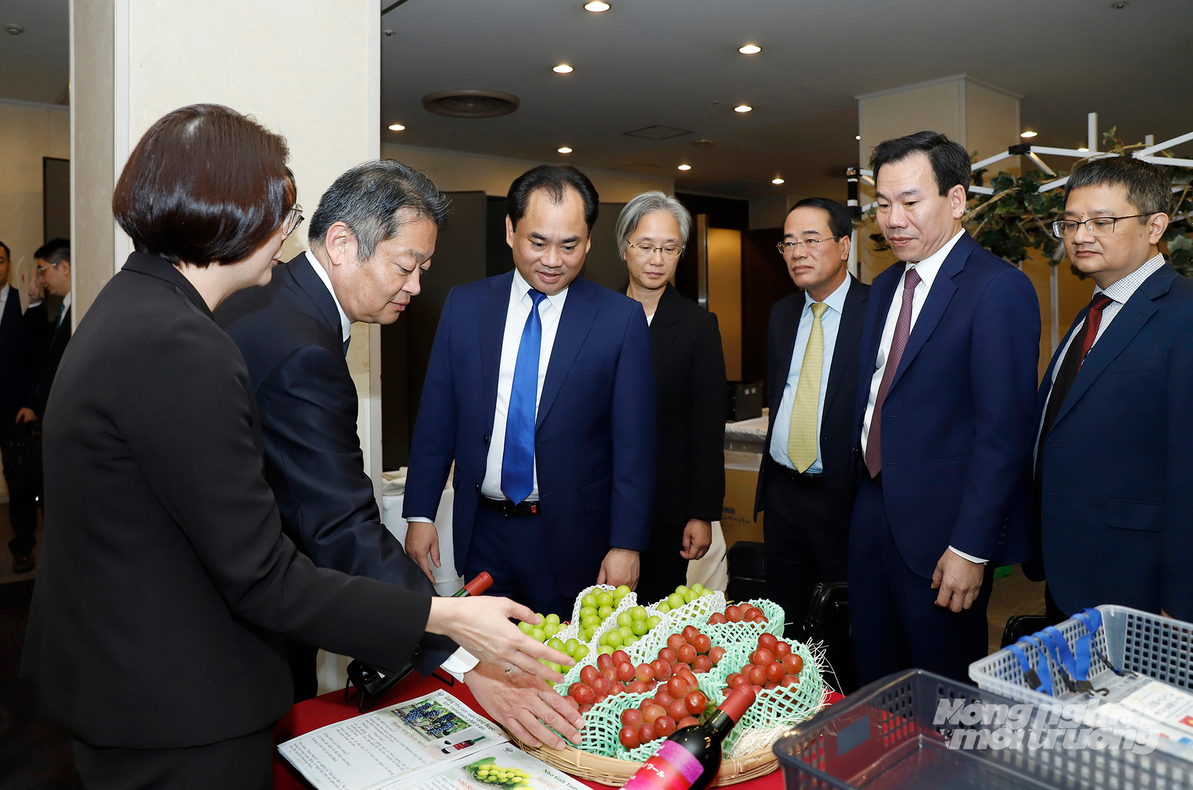 Governor Kotaro Nagasaki introduces Yamanashi's renowned agricultural products. Photo: Khuong Trung.
Beyond agricultural trade, Yamanashi is ready to share its expertise and technologies in agricultural production, particularly post-harvest rice straw utilization. The prefecture also seeks to collaborate with Viet Nam to develop and apply new technologies, implement joint projects, and transfer technical expertise.
Minister Trinh Viet Hung affirmed that Viet Nam's Ministry of Agriculture and Environment will continue to serve as a trusted bridge, facilitating administrative procedures, quarantine measures, and technical infrastructure to turn conference discussions into concrete business contracts in agricultural trade, cold-chain logistics, and technology transfer.
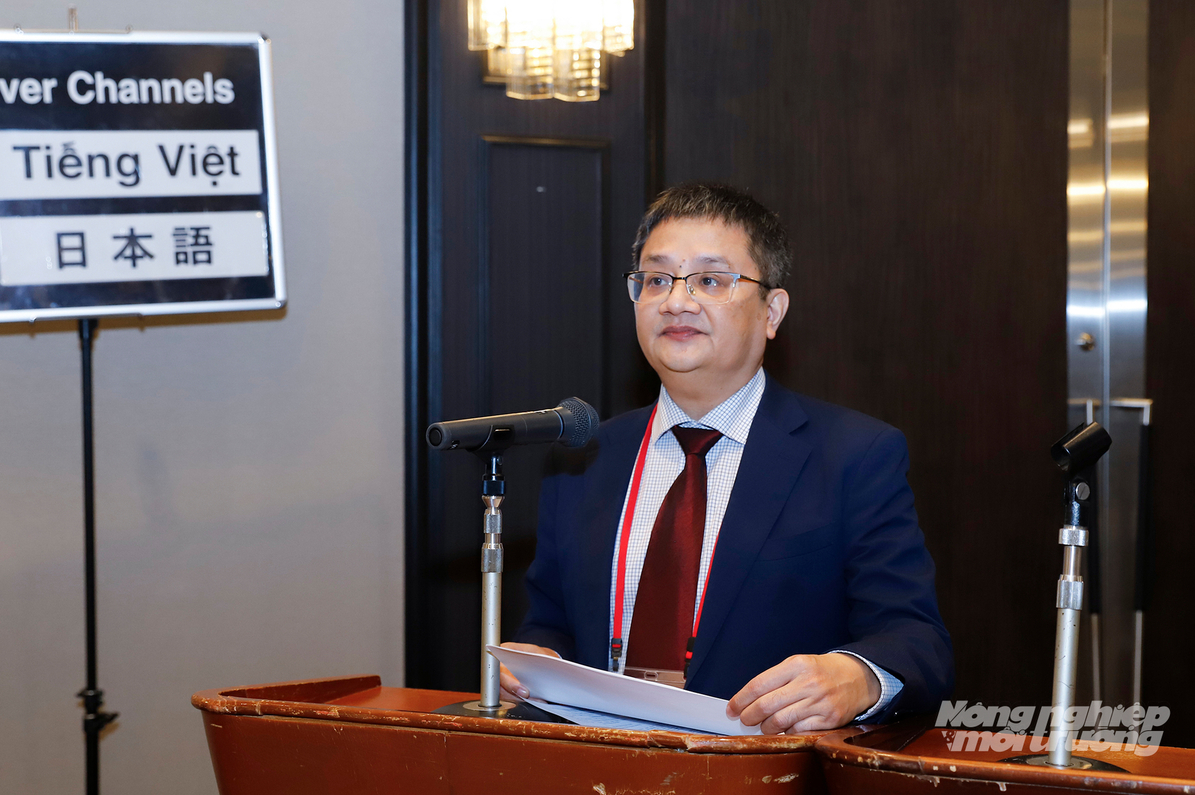 Mr. Ngo Hong Phong, Director General of the National Authority for Agro-Forestry-Fishery Quality, Processing and Market Development, speaks at the Viet Nam - Yamanashi Agricultural, Forestry and Fisheries Trade Conference. Photo: Khuong Trung.Mr. Duong Duc Huy, Director General of the Plant Production and Protection Department, outlines Viet Nam's import regulations for plant-based products, the domestic production and consumption of imported fruits, and the export potential of Japanese grapes in the Vietnamese market. Photo: Khuong Trung.