MAR solutions contribute to replenishing groundwater reserves, mitigating land subsidence, and safeguarding water security in the face of climate change.
On the morning of November 10, in Ninh Kieu Ward, Can Tho City, the Department of Water Resources Management (Ministry of Agriculture and Environment), in coordination with the Embassy of the Kingdom of the Netherlands in Viet Nam and the Deltares Research Institute (the Netherlands), convened the workshop titled "Consultation on Solutions and Implementation Potential of Managed Aquifer Recharge (MAR) in Viet Nam."
The workshop aimed to share international experience, introduce technical guidelines, and discuss the potentials and prerequisites for adopting Managed Aquifer Recharge (MAR) in Viet Nam.
This activity directly supports the implementation of the 2023 Law on Water Resources and its associated guiding decrees, enhancing institutional capacity to manage, protect, and sustainably utilize water resources amid climate change and El Niño patterns that escalate risks of droughts, freshwater scarcity, and salinity intrusion.
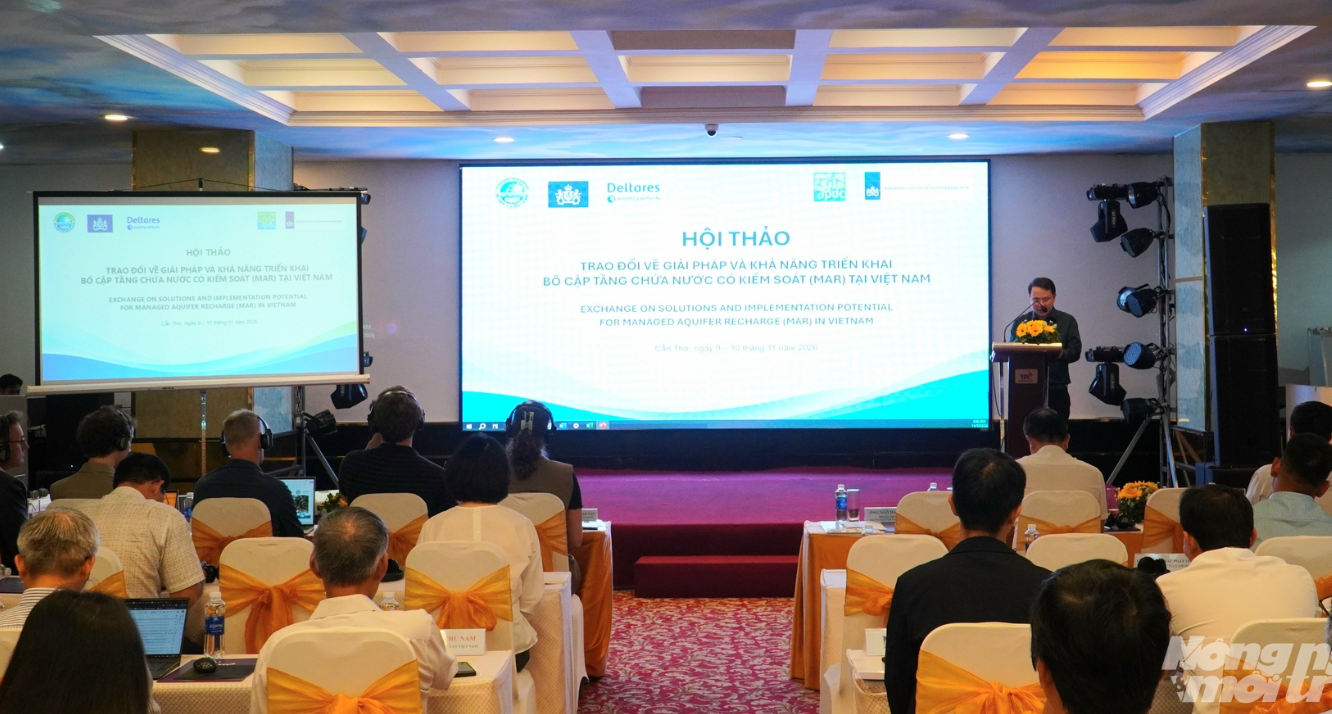 Workshop overview. Photo: Van Vu.
Mr. Ngo Manh Ha, Deputy Director General of the Department of Water Resources Management, stated that in recent years, Viet Nam has confronted mounting water governance challenges, notably seasonal water deficits, groundwater depletion, and saltwater intrusion. While institutional refinement and groundwater extraction curbs have delivered positive shifts across certain localities, extraction pressures remain elevated across the southern Hau River basin and Ca Mau Peninsula, driving persistent groundwater drawdowns across multiple aquifers.
According to Mr. Ngo Manh Ha, alongside extraction restrictions, proactive interventions must be explored to augment recharge, remediate, and safeguard groundwater reserves. Among these, MAR stands as a high-potential intervention, bolstering subsurface storage capacity, ensuring water security, and strengthening climate resilience.
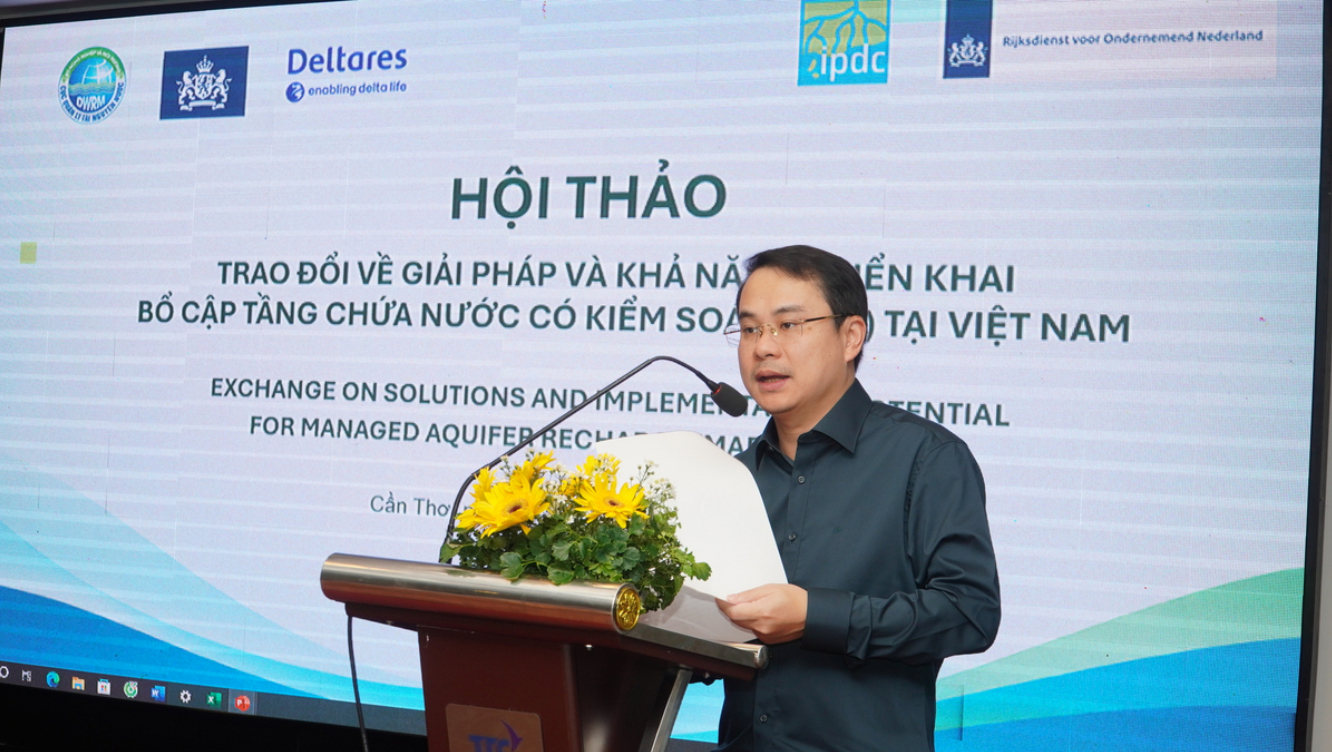 Mr. Ngo Manh Ha, Deputy Director General of the Department of Water Resources Management, notes that Vietnam faces numerous water governance challenges, particularly seasonal shortages, groundwater depletion, and salinity intrusion. Photo: Van Vu.
Ms. Merel van der Ven, First Secretary for Water and Climate at the Embassy of the Kingdom of the Netherlands in Viet Nam, assessed that the Mekong Delta is bearing cumulative impacts from surface and groundwater salinization, severe overdraft driving land subsidence, and sea-level rise. Intensifying dry seasons render freshwater access an acute bottleneck, directly disrupting community livelihoods and productive sectors, including agriculture.
Ms. Merel van der Ven argued that recharging groundwater across distinct formations, from unconfined shallow aquifers to deep confined layers, could alleviate extraction pressures on natural groundwater and surface bodies. This represents a cornerstone cooperation agenda between Viet Nam and the Netherlands in climate adaptation and water resources management.
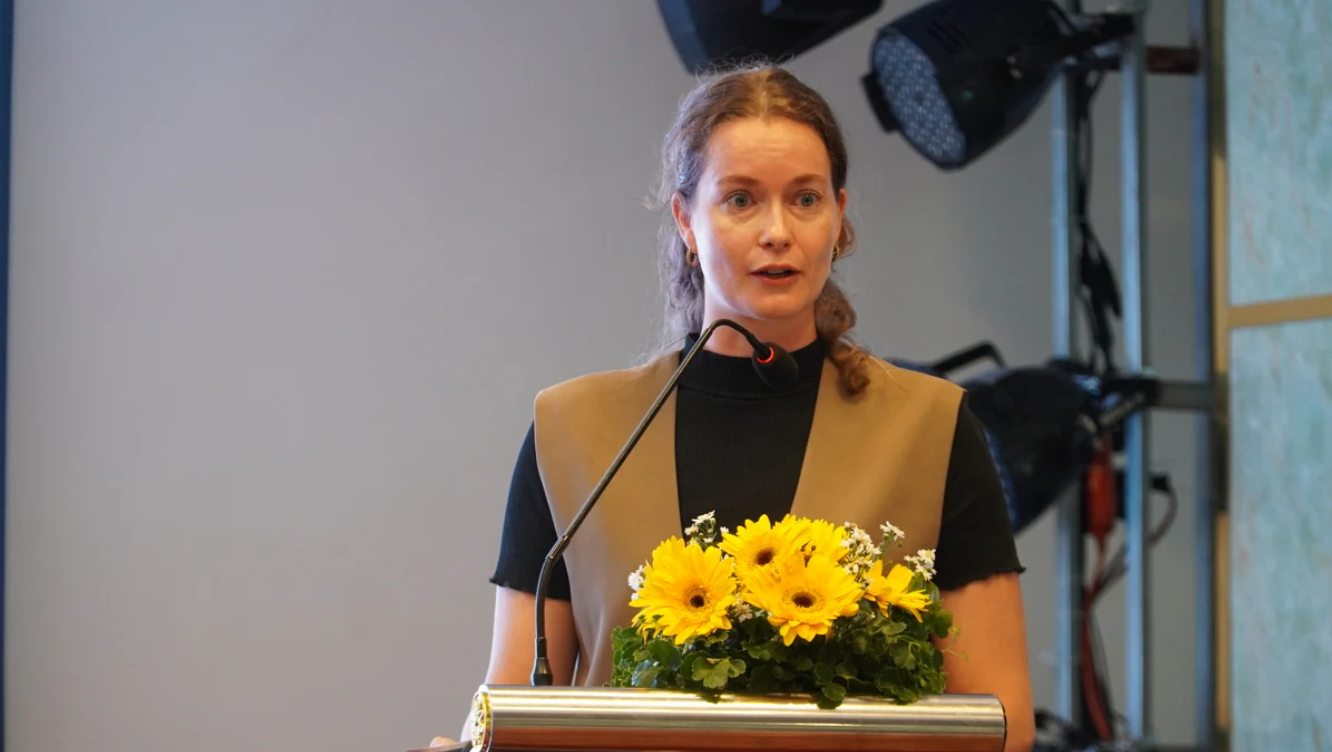 Ms. Merel van der Ven, First Secretary for Water and Climate at the Netherlands Embassy in Vietnam, notes that recharging shallow and deep aquifers can alleviate extraction pressures on natural groundwater and surface resources. Photo: Van Vu.
Echoing this perspective, Mr. Marnix van der Vat, Senior Water Resources and Flood Risk Management Specialist at Deltares (the Netherlands), emphasized that MAR holds twofold significance: anchoring water security by sustaining freshwater supplies and preserving vulnerable aquifers. Preserving groundwater tables addresses consumption demands while curbing severe land subsidence across the Mekong Delta.
Within the working agenda, delegates exchanged overviews, objectives, typologies, and development lifecycles of MAR projects, as well as technical criteria for site selection, engineering design, implementation, and system operations. Practical training sessions were organized for state management agencies, project investors, and engineering consultancies to sharpen capacity in appraising and drafting project proposals.
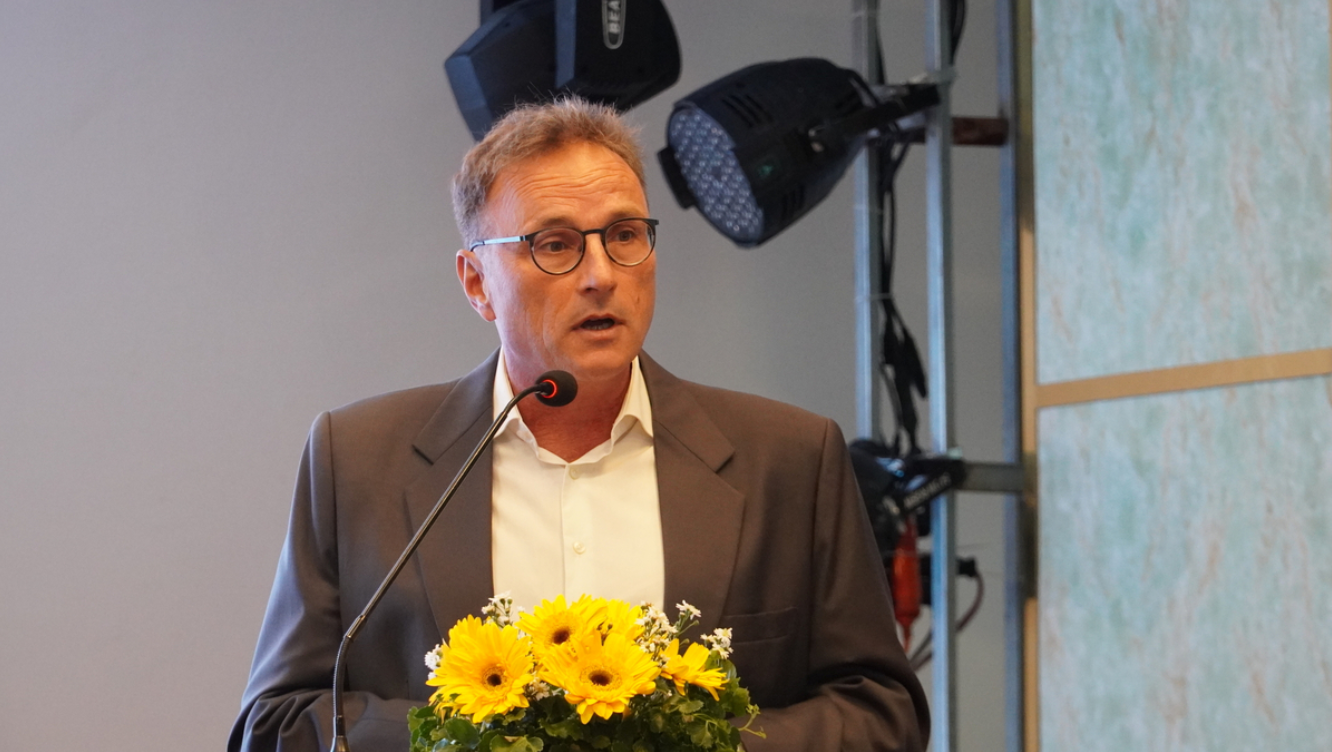 Mr. Marnix van der Vat, specialist from Deltares (the Netherlands), underscores that protecting groundwater tables serves consumption demands while mitigating land subsidence risks across the Mekong Delta. Photo: Van Vu.
The Department of Water Resources Management is currently partnering with Deltares and experts to draft the "Technical Guidelines on Managed Aquifer Recharge (MAR) in Viet Nam." The handbook provides systematic guidance spanning feasibility evaluations, site screening, and system design through to operational monitoring, pilot testing, and adaptive management.
Through the program, stakeholder inputs from domestic and international specialists, regulators, enterprises, and consultants will lay the groundwork to refine the technical guidelines. This will progressively scale MAR applications aligned with hydrogeological realities in Viet Nam, safeguarding and recharging groundwater reserves to fortify long-term water security for the Mekong Delta.