Co-chairing the 20th Intergovernmental Committee in Ulaanbaatar, Vietnam and Mongolia agreed agreed to cooperate across a range of sectors.
On November 12, in Ulaanbaatar (Mongolia), the 20th Session of the Viet Nam-Mongolia Intergovernmental Committee on Trade, Economic, Scientific, and Technical Cooperation convened under the co-chairmanship of Vietnamese Minister of Agriculture and Environment Trinh Viet Hung, Chair of the Vietnamese Sub-Committee, and Mongolian Minister of Food, Agriculture and Light Industry Tsagaankhuu Iderbat, Chair of the Mongolian Sub-Committee.
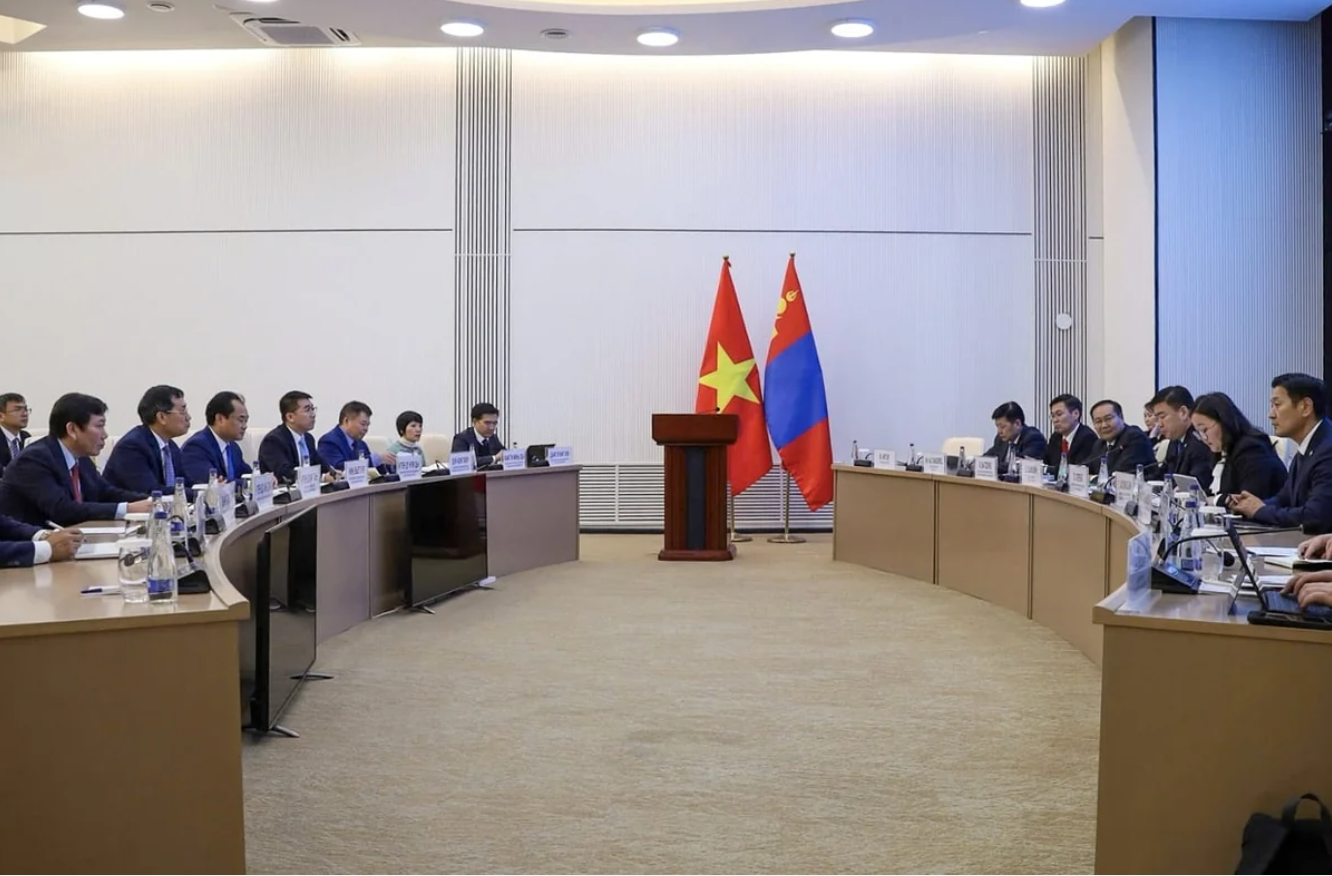 The 20th Session of the Viet Nam - Mongolia Intergovernmental Committee on Trade, Economic, Scientific, and Technical Cooperation takes place under the co-chairmanship of Minister of Agriculture and Environment Trinh Viet Hung, Chair of the Vietnamese Sub-Committee, and Mongolian Minister of Food, Agriculture and Light Industry Tsagaankhuu Iderbat, Chair of the Mongolian Sub-Committee.
The two-day session, taking place on November 12-13, 2026, brought together representatives from relevant ministries, sectors, and agencies of both nations. The Vietnamese delegation, led by Minister Trinh Viet Hung, included representatives from the Government Office and the Ministries of Foreign Affairs, Agriculture and Environment, National Defense, Public Security, Industry and Trade, and Construction. The Mongolian delegation was headed by Minister Tsagaankhuu Iderbat alongside representatives from relevant line ministries.
In his opening remarks, Minister Tsagaankhuu Iderbat emphasized that Viet Nam and Mongolia enjoy a fine traditional friendship nurtured across generations. He noted that the 20th Session is a vital occasion for both sides to review cooperative achievements, discuss issues of mutual interest, and agree on orientations and solutions to drive bilateral relations toward greater substance and effectiveness.
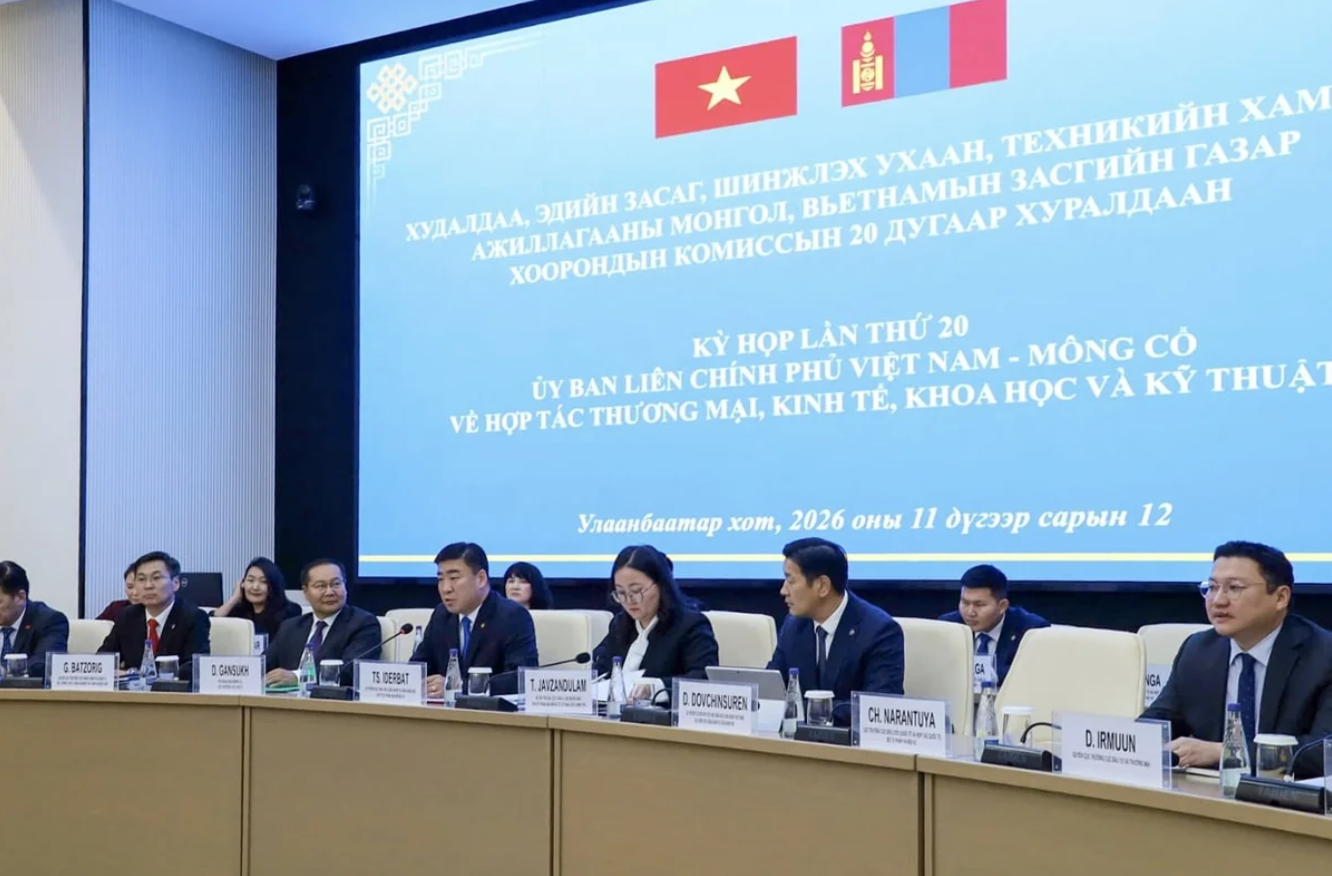 Mongolian Minister of Food, Agriculture and Light Industry Tsagaankhuu Iderbat, Chair of the Mongolian Sub-Committee, delivers remarks.
On behalf of the Vietnamese Sub-Committee, Minister Trinh Viet Hung thanked the Government and Sub-Committee of Mongolia for the warm and thoughtful reception extended to the delegation.
The Minister underscored that the session takes place against the backdrop of bilateral relations having been elevated to a "Comprehensive Partnership" in September 2024, establishing a renewed foundation and impetus to expand cooperation. He expressed confidence that the agreements reached at the session will help materialize high-level commitments, resolve operational bottlenecks, and steer bilateral cooperation toward effective, sustainable growth.
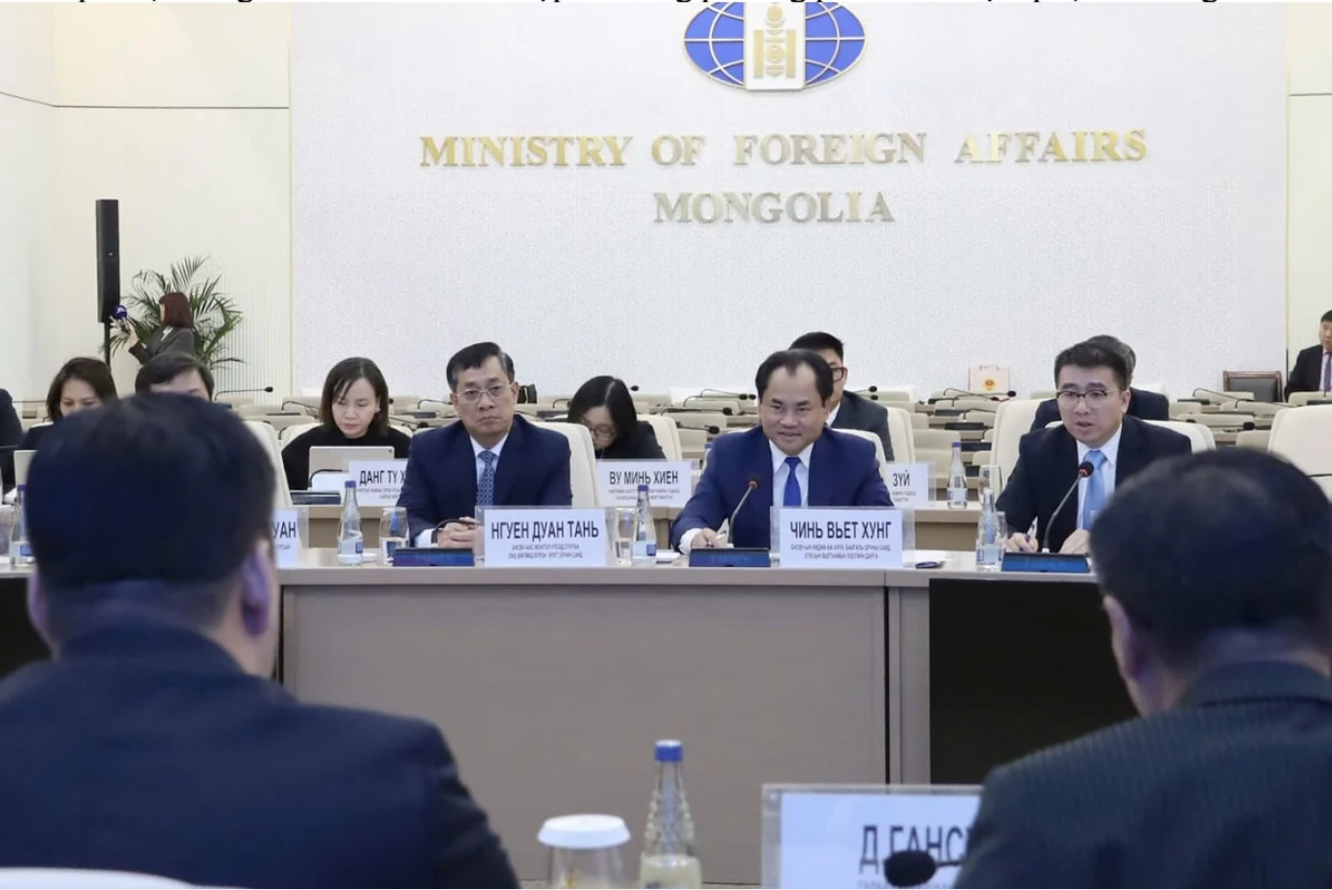 Vietnamese Minister of Agriculture and Environment Trinh Viet Hung, Chair of the Vietnamese Sub-Committee, addresses the session.
During the session, both sides exchanged updates on each country’s socio-economic situation, reviewed the implementation outcomes of the Minutes of the 19th Session, and discussed cooperative orientations spanning trade, investment, economics, environment, agriculture, science and technology, transport, education, culture, tourism, labor, and related fields.
In economics, trade, and investment, both parties agreed to bolster the supply of each nation's competitive commodities, drive bilateral trade growth, and diversify traded product baskets.
The two countries agreed to develop a medium-term economic cooperation roadmap focused on trade, investment, agriculture, transport, logistics, and tourism; strengthen business-to-business matchmaking; and organize forums, trade fairs, and commercial promotion events. Both sides will also accelerate negotiations toward signing a renewed bilateral Agreement on the Promotion and Protection of Investments.
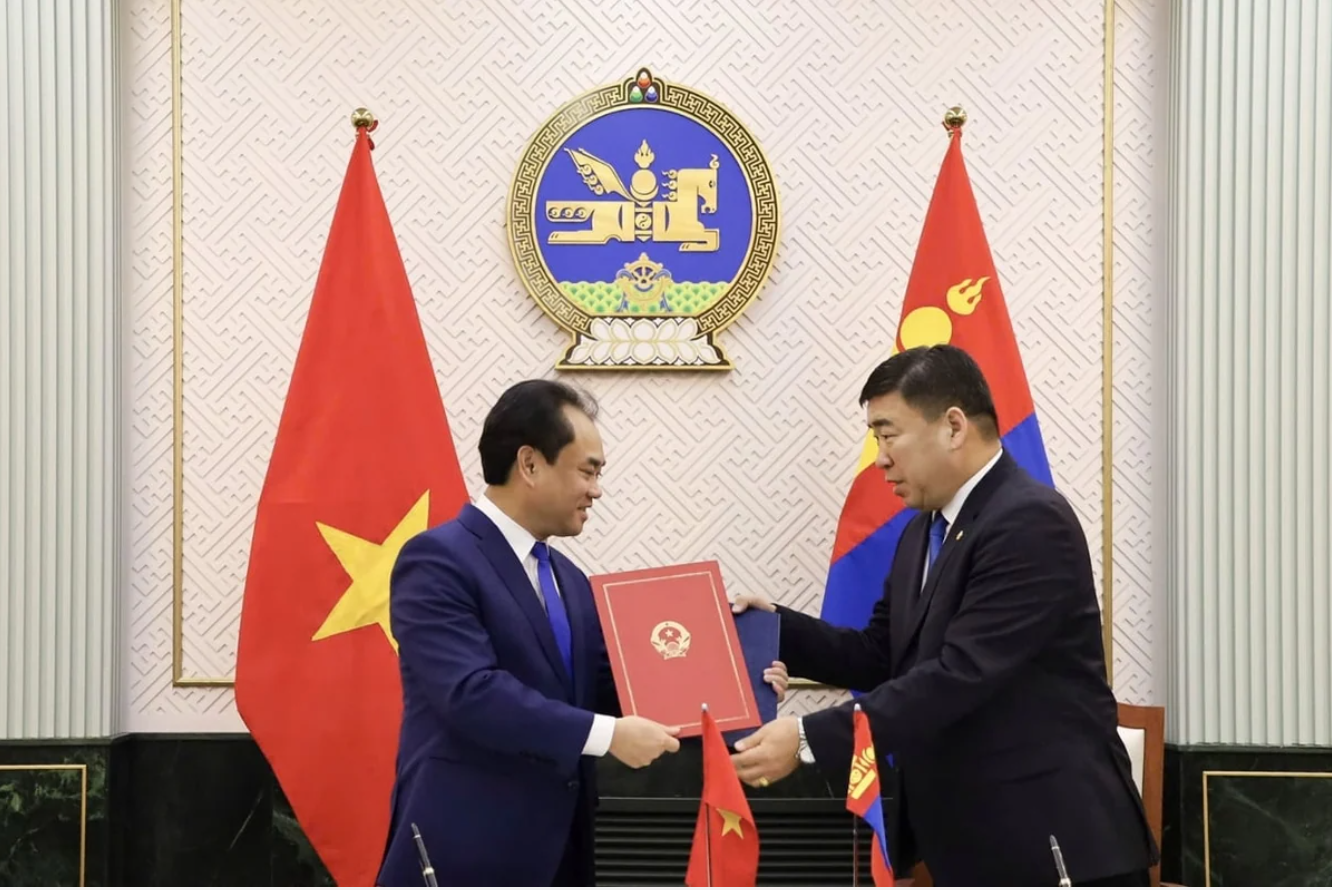 At the session, both sides reviewed socio-economic updates, assessed the implementation of the 19th Session Minutes, and discussed cooperation across trade, investment, environment, agriculture, science and technology, transport, education, culture, tourism, and labor.
Notably, both sides agreed to expand cooperation to increase the number of Mongolian enterprises licensed to export frozen mutton and goat meat to Viet Nam, ensuring stable supply chains. Concurrently, Vietnamese enterprises are encouraged to pursue long-term investments in Mongolia across processing, manufacturing, energy, and infrastructure.
Regarding agriculture and the environment, the two countries agreed to intensify information exchange and share expertise on climate change response, combating desertification, afforestation and forest restoration, sustainable forest management and protection, forest fire prevention and control, and ecosystem conservation.
Both sides consented to expedite the implementation of the 2022 Memorandum of Understanding on Agricultural Cooperation and expand food and agricultural processing partnerships; they also agreed to deepen exchanges on veterinary medicine, plant quarantine, food safety, and technical standards and regulations to facilitate agricultural trade.
Animal husbandry, processing of animal-origin products, adoption of advanced agricultural technologies, crop cultivation, and greenhouse development were also identified as high-potential cooperative areas.
In science, technology, innovation, and digital transformation, both parties agreed to promote experience sharing on e-government, public service digitization, artificial intelligence, and innovation ecosystems. Both nations are also considering reviving the Viet Nam-Mongolia Sub-Committee on Scientific and Technological Cooperation and convening its 4th Meeting in Ulaanbaatar.
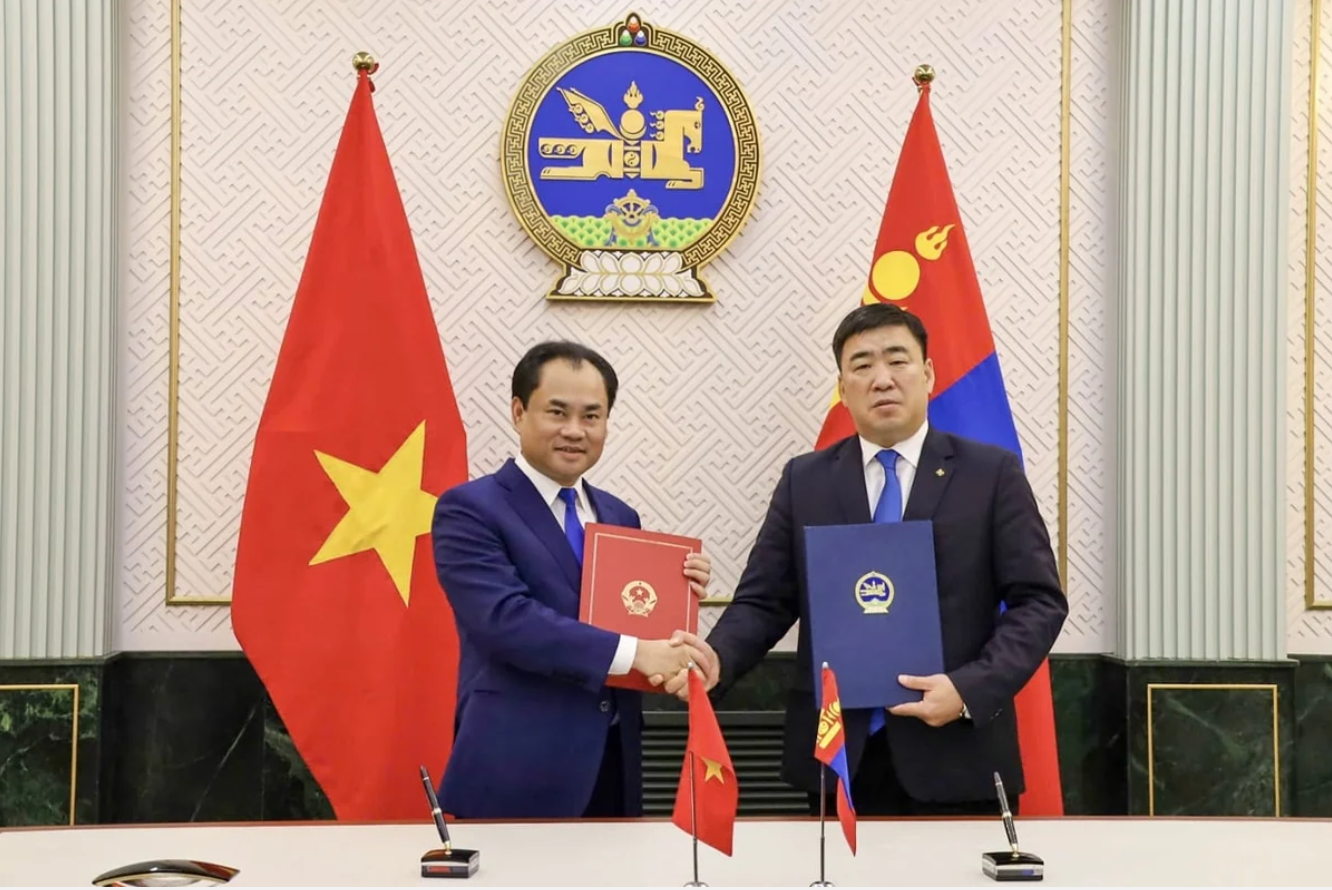 The two Sub-Committee Chairs agree to establish a Joint Working Group to coordinate inter-agency activities, exchange information, and monitor the execution of agreed deliverables.
Regarding transport and logistics, both sides stressed the imperative to strengthen connectivity, reduce transit times and freight costs, and build resilient supply chains. The two nations agreed to more effectively utilize rail freight transit between Viet Nam and Mongolia via China, while studying containerized cargo transport and the feasibility of establishing a trilateral passenger and freight transport mechanism.
Aviation cooperation continues to be promoted, encouraging airlines to explore expanded partnerships, including operating direct flights aligned with market demand.
Across education, culture, sports, and tourism, both sides agreed to broaden university-to-university partnerships, increase exchanges of lecturers, specialists, and students, and organize cultural, artistic, exhibition, and heritage conservation activities. Both nations also aim to boost two-way tourist arrivals, step up destination promotion, and connect tourism operators.
Cooperation in healthcare, labor, and social protection will be advanced through experience sharing, specialized medical training, and exchanging intelligence on labor market demands, employment policies, and vocational skill development.
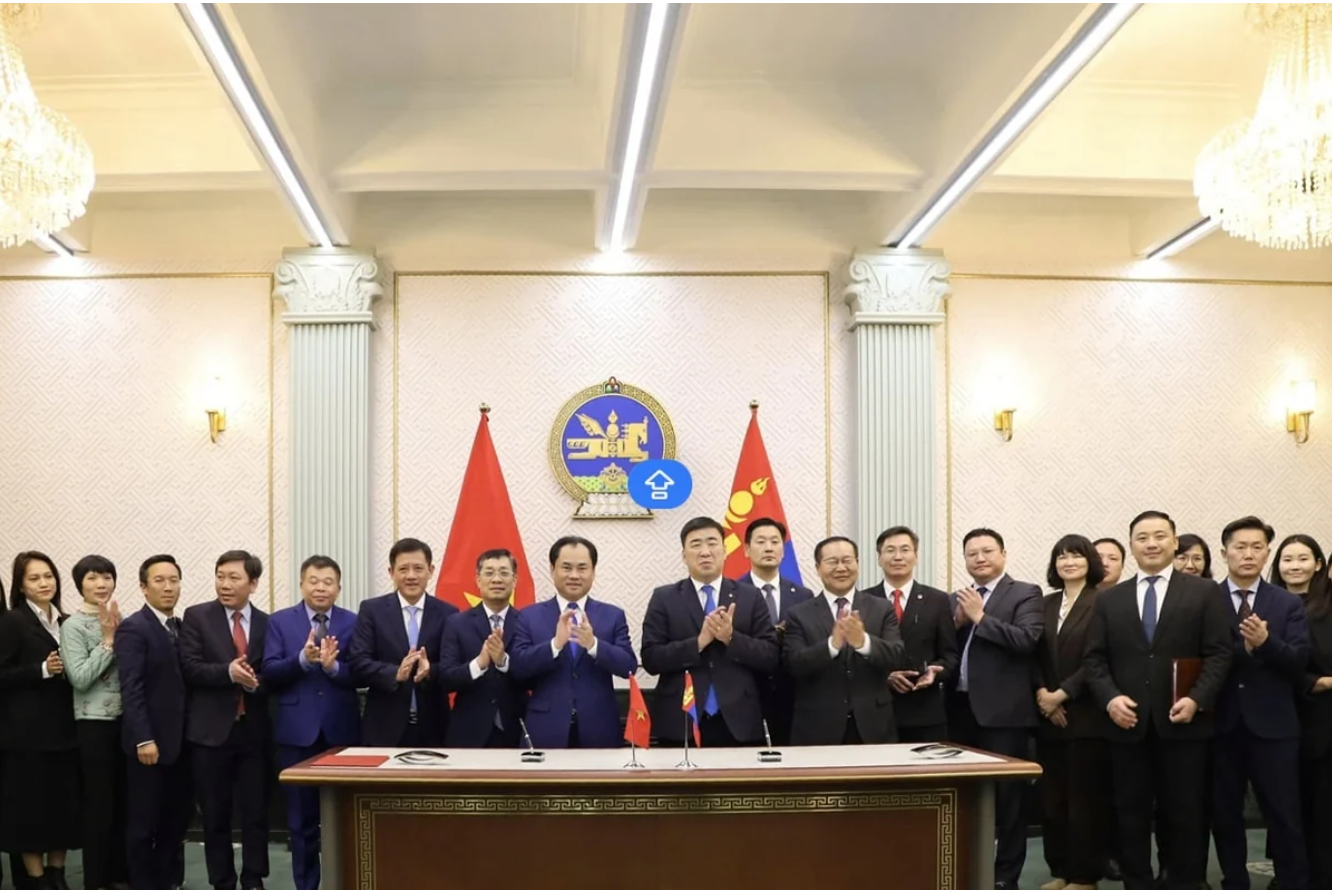 Both sides agree to convene the 21st Session of the Viet Nam - Mongolia Intergovernmental Committee in Hanoi in 2028.
Both sides simultaneously agreed to expand direct locality-to-locality relations, encouraging the signing of memoranda of understanding, delegation exchanges, and joint projects spanning trade, investment, agriculture, tourism, culture, education, and logistics.
At the end of the session, the two Sub-Committee Chairs agreed to establish a Joint Working Group to coordinate inter-agency operations, exchange information, and monitor implementation of agreed commitments.
Both sides consented to hold the 21st Session of the Viet Nam - Mongolia Intergovernmental Committee in Hanoi in 2028, with exact dates and agendas to be finalized through diplomatic channels.