Decision 49/2026/QD-TTg regulates dossiers, procedures for identifying investment projects using obsolete, polluting technologies.
Deputy Prime Minister Ho Quoc Dung has recently signed Decision No. 49/2026/QD-TTg stipulating dossiers, procedures, and processes for identifying investment projects that use obsolete technology, pose potential environmental pollution risks and are resource-intensive. The Decision also regulates the inspection of machinery, equipment and technological lines within investment projects.
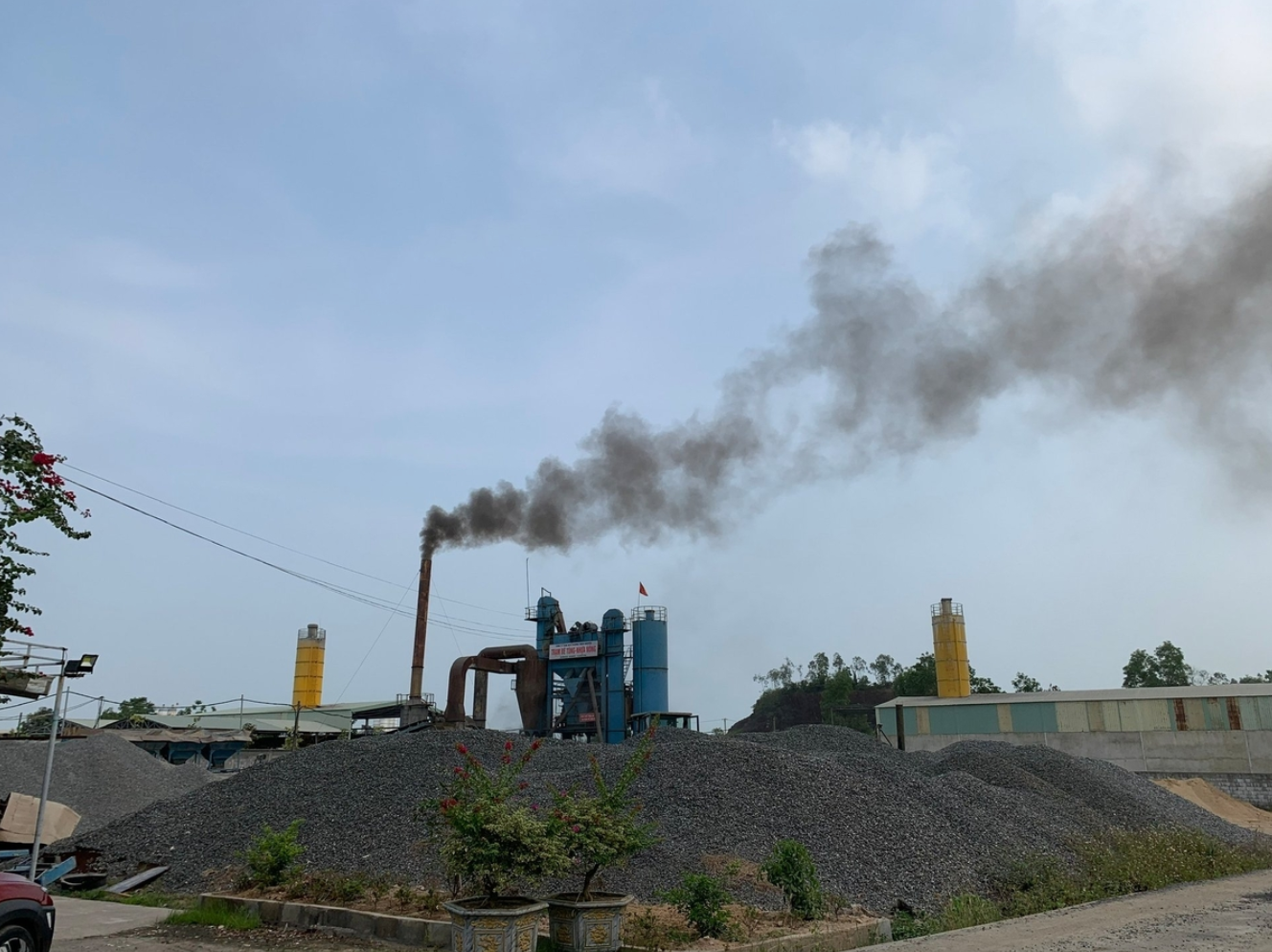 Smoke emitting from a factory chimney. Photo: Pham Huy.
Investors shall submit a set of dossiers requesting technology identification online via the National Public Service Portal, directly, or via postal services. The dossiers shall be sent to the presiding agency for technology identification in accordance with the decentralization under Decree No. 96/2026/ND-CP.
Upon receiving online dossiers, the handling agency shall not require paper copies for documents that have been authenticated, digitally signed, or can be extracted from the information systems of competent state agencies. The receiving agency shall request supplementation if documents have not been authenticated, digitally signed, or if data cannot be extracted, is missing, or is inaccurate.
The handling method for missing or invalid dossiers depends on the submission format. For dossiers submitted directly, the receiver shall guide the investor in completing them or refuse reception in accordance with regulations on the one-stop-shop and interconnected one-stop-shop mechanism.
For dossiers sent via postal services or submitted online, within 2 working days from the date of receipt, the presiding agency must send a written notification to the investor. The document must clearly state the dossier name, date of receipt, contents needing amendment or supplementation, reasons, completion deadline, and contact information of the department and person directly in charge.
Within 3 working days from receiving valid and complete dossiers, the presiding agency shall send a written request for opinions to state environmental management agencies and specialized management agencies according to decentralization. When necessary, the presiding agency may consult independent organizations and experts. Consulted agencies, organizations and experts shall have 5 working days to send their written opinions.
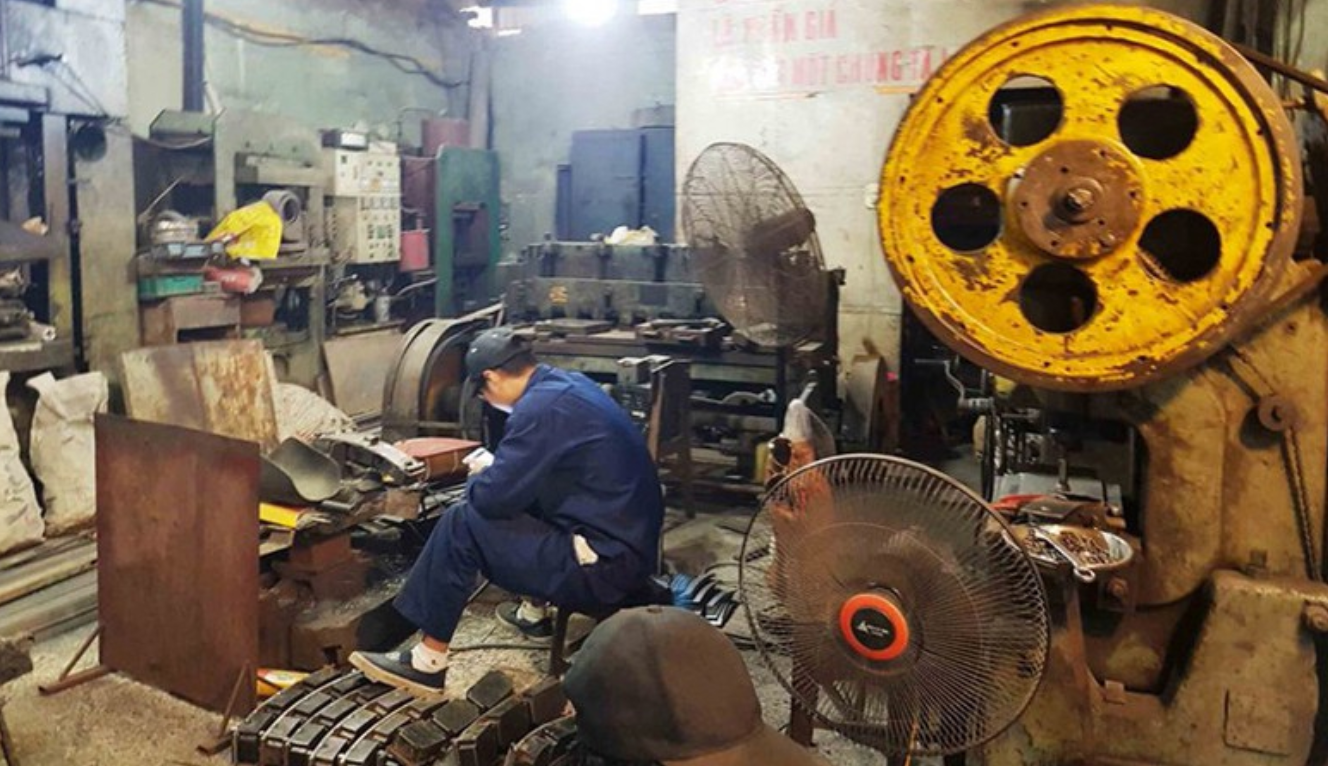 Decision No. 49/2026/QD-TTg regulates the procedures and processes for identifying projects using obsolete technology and posing environmental pollution risks. Photo: baochinhphu.
For large-scale projects with complex technologies, if necessary, the presiding agency shall base on the dossier and professional capacity to decide on establishing a science and technology advisory council, conducting practical surveys at the project site, and organizing council meetings. The time limit for implementing these steps is 20 working days from the reception of complete and valid dossiers.
Within 5 working days of receiving opinions from coordinating agencies, organizations, or independent experts, the presiding agency shall issue a document identifying the project's technology according to Form No. 04 attached to the Decision.
When machinery, equipment, or technological lines already have valid legal inspection and assessment results regarding safety, energy efficiency, or environmental protection, the presiding agency shall consider using those results. State management agencies or inspection organizations designated by competent authorities must issue the results. Contents with existing results shall be reviewed without re-evaluation, unless there are grounds showing that the results are no longer accurate or appropriate.