Viet Nam's nomination of five representatives for the UN Tourism's "Best Tourism Villages" 2026 award is an opportunity to verify the capacity to preserve identity during tourism development. It also reflects how Viet Nam selects its image to introduce to the world in a period when tourism is strongly shifting towards a green, sustainable, and community-centered model, Van Hoa Newspaper reported.
The 5 candidates include: Lo village (Dak Lak), Cat Cat community tourism village (Lao Cai), Bay Mau Cam Thanh nipa palm forest (Da Nang), Mang Den Treehouse Village (Quang Ngai), and Huu Lien community tourism village (Lang Son). Each place carries a different ecosystem, cultural space, and developmental story, but they all share a common point: tourism is built upon the inherent values of the locality rather than artificial structures.
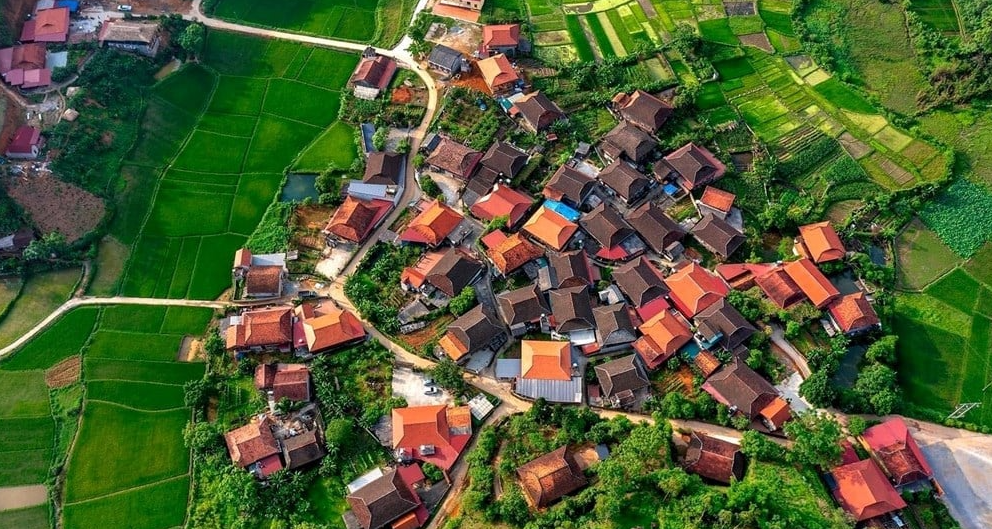 Huu Lien community tourism village (Lang Son). Photo: Ky Nam.
For many years, when mentioning rural tourism, people often thought of beautiful landscapes, fresh climate, or peaceful life. However, UN Tourism's set of criteria goes far beyond those factors. A recognized village must demonstrate its ability to conserve culture, preserve biodiversity, create livelihoods for the community, govern destinations effectively, develop local value chains, and meet the UN's sustainable development goals. This explains why the "Best Tourism Villages" titles are not rewards for the most crowded places, but for localities that know how to develop tourism while retaining their identity.
Reality shows that many villages around the world, after being recognized by UN Tourism, have recorded a significant increase in visitors, elevated destination brands, and broader opportunities to access international markets. For Viet Nam, this is even more meaningful as international tourists increasingly seek indigenous experiences rather than mass-market products.
Viet Nam currently has 5 villages awarded the "Best Tourism Villages" title by UN Tourism. If the 2026 candidates continue to be honored, Vietnam's network of tourism villages will be significantly expanded, creating a chain of destinations stretching from the mountainous and midland regions to the coast.