On the afternoon of January 5, Deputy Minister of Agriculture and Environment Hoang Trung received and held a working meeting with U.S. Agricultural Counselor Ralph Bean on a new phase of cooperation in food safety and agricultural trade.
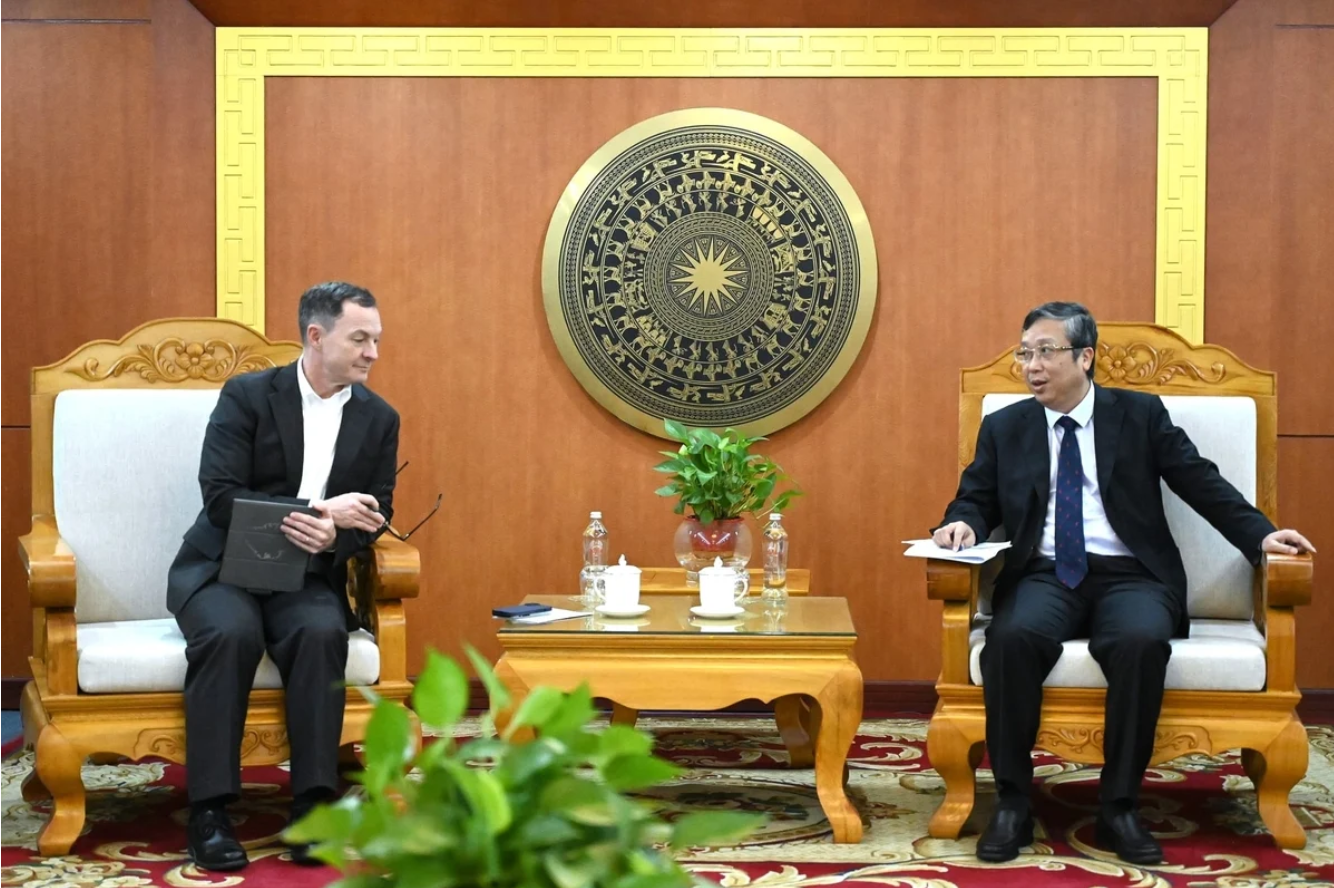 The working delegation from the U.S. Embassy in Viet Nam paid a New Year’s first visit and worked with the Ministry of Agriculture and Environment on the afternoon of January 5, 2026. Photo: Kieu Chi.
At the meeting, Deputy Minister Hoang Trung highly appreciated the close cooperation of the U.S. side in providing technical support for agricultural production, as well as in helping address obstacles related to trade and tariffs.
In particular, a number of projects funded by the U.S. Department of Agriculture (USDA), such as the FertilizerRight Project, have helped improve the effectiveness and efficiency of fertilizer use, increase farmers’ incomes, and reduce emissions, thereby supporting market access.
According to Ralph Bean, the U.S. Secretary of Agriculture has selected Viet Nam as one of the priority countries for the implementation of the Food for Progress. This is a key U.S. initiative aimed at supporting global food safety and improving market information.
Accordingly, two major project components on food safety, which is known as the Agricultural Trade and Food Safety Expanded and tilapia aquaculture will be implemented in Viet Nam starting in 2026. The projects focus on four main objectives: strengthening the food safety system; enhancing supply chain capacity and cold logistics; expanding access to trade finance for businesses; and supporting Viet Nam in achieving its goals on innovation, private sector development, and international integration.
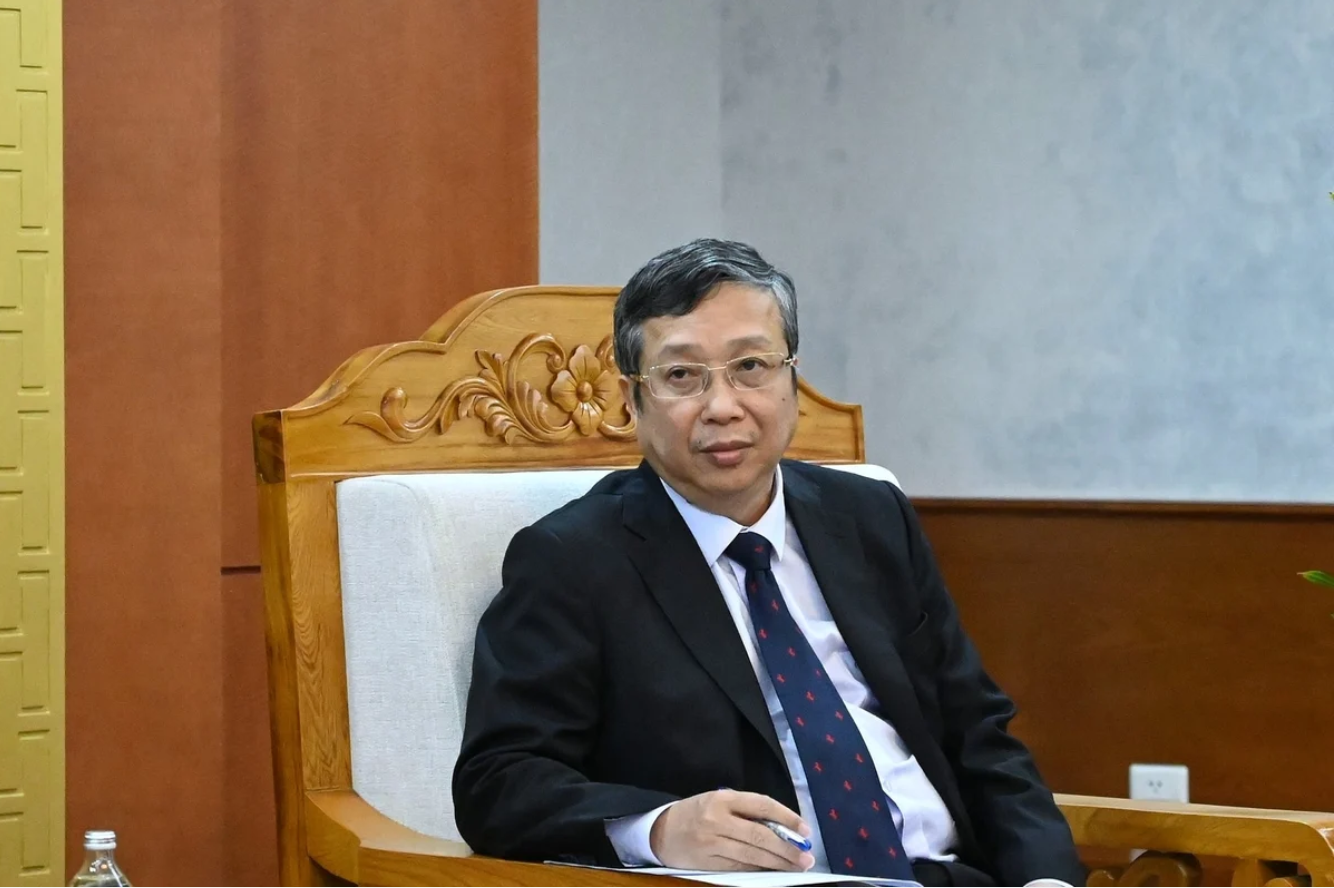 Deputy Minister Hoang Trung reaffirmed the long effective Vietnam - U.S. cooperation, particularly in providing technical support for agricultural production, as well as in helping address obstacles related to trade and tariffs. Photo: Kieu Chi.
Assessing the U.S. proposal, Deputy Minister Hoang Trung said the project’s objectives are in line with Viet Nam’s development orientation. The Ministry of Agriculture and Environment stands ready to coordinate with relevant ministries and agencies to implement the project, and has designated the Agricultural Projects Management Board as the focal point to work closely with specialized units.
A representative of IESC (Improving Economies for Stronger Communities), the project implementing organization, affirmed that the project aims to support Viet Nam in strengthening its food safety system for livestock, crop, and processed products, modernizing supply chains, and facilitating bilateral agricultural trade with the United States. The project is expected to be implemented nationwide, with a focus on major urban centers and key seaport areas.
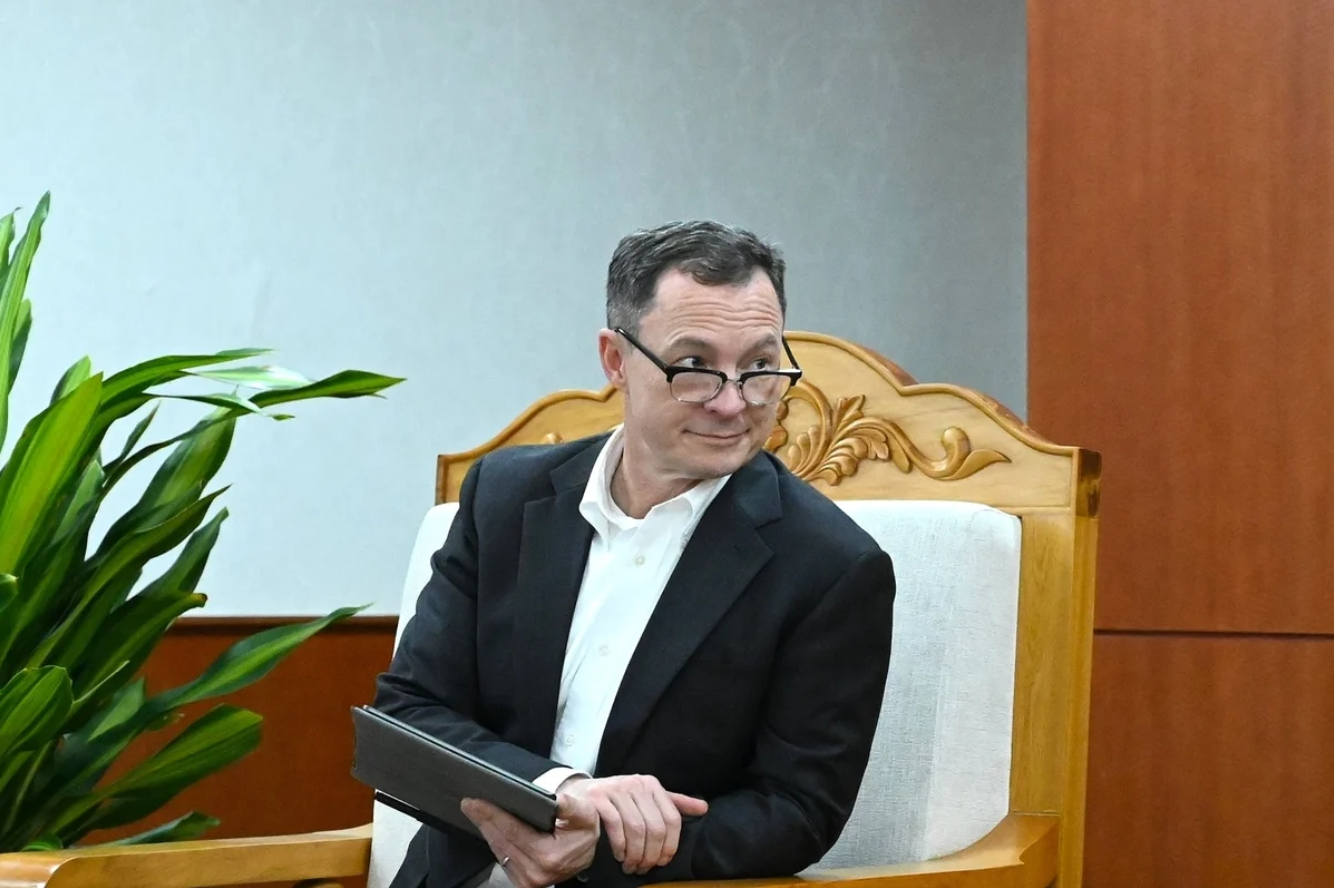 U.S. Agricultural Counselor Ralph Bean shared insights on the phase of cooperation to support Viet Nam in ensuring food safety. Photo: Kieu Chi.
Agricultural Counselor Ralph Bean expressed his hope that the Ministry of Agriculture and Environment would serve as the lead agency, coordinating and connecting with other ministries and sectors to ensure the effectiveness of the long-term project. IESC also noted that it would work jointly on developing the project document, conducting initial baseline assessments, gathering feedback from relevant stakeholders, and designing activities aligned with Vietnam’s practical needs.
Food for Progress has two principal objectives: to improve agricultural productivity and to expand trade of agricultural products in developing countries and emerging economies.
“We aim to support Viet Nam in modernizing registration, inspection, and certification processes through digitalization; strengthening animal disease surveillance capacity; training quarantine officers; and improving food safety in traditional markets,” the U.S. Agricultural Counselor Ralph Bean shared.
Deputy Minister Hoang Trung highly appreciated the multi-sectoral scale and substance of the U.S. project in supporting Viet Nam’s goals of ensuring food safety and promoting sustainable agricultural development, and affirmed that units under the Ministry would coordinate with the Agricultural Projects Management Board to effectively implement the cooperation program.