Viet Nam's herb demand reaches 80,000-100,000 tons/year, with 70% imported, opening up many opportunities for investment cooperation and tech transfer.
On September 9, in Bozhou City, Anhui Province, China, the RCEP Industry Cooperation Committee, in coordination with the Bozhou Municipal Government, hosted the 1,899th Birthday Anniversary of the divine physician Hua Tuo and the 4th RCEP - China Traditional Medicine Industry Cooperation Conference.
Dr. Do Quang Tung, Viet Nam's Agricultural and Environmental Counselor in China, attended and spoke at the event. He shared three main points, including Viet Nam's medicinal resources, policy framework, and cooperation opportunities with China.
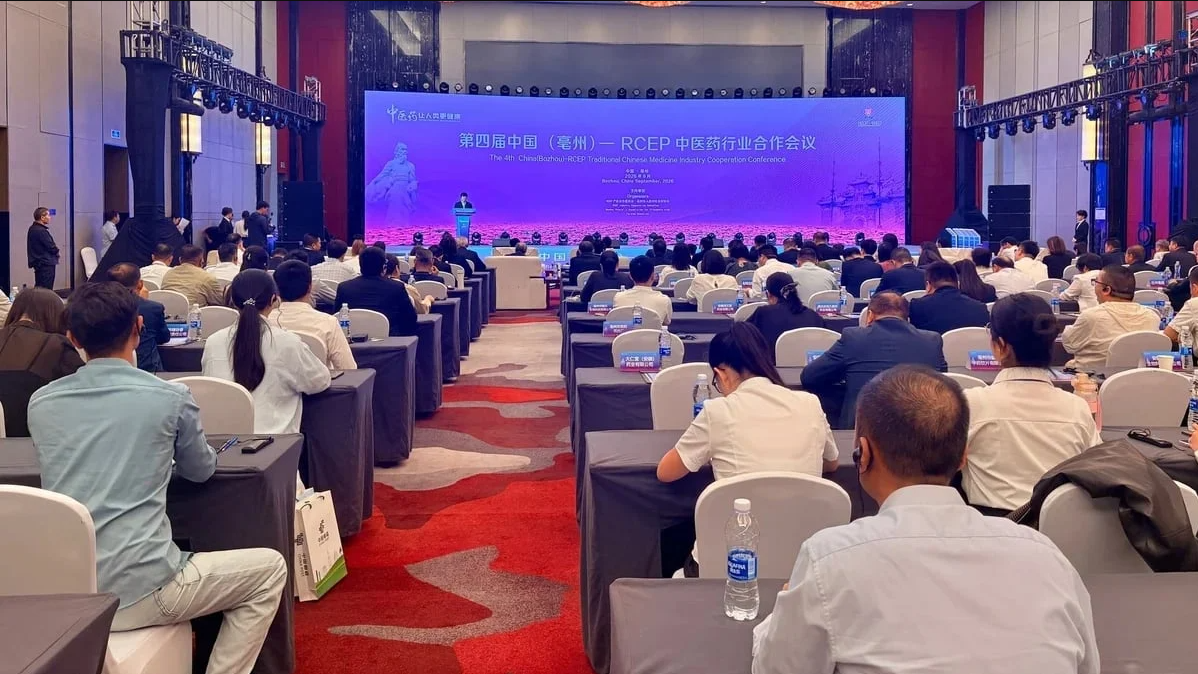 Overview of the 4th RCEP - China Traditional Medicine Industry Cooperation Conference. Photo: Embassy of Viet Nam in China.
Abundant medicinal resources
According to Dr. Do Quang Tung, Viet Nam is one of the world's most biodiverse countries. National statistics have recorded over 5,100 medicinal plant species, many of which are endemic. Viet Nam possesses rare species with high medicinal potential, such as Vietnamese ginseng, Cibotium barometz, and many others.
"With over 10 million hectares of natural tropical forests, Viet Nam has ideal conditions to develop sustainable medicinal plant cultivation models under the forest canopy", Mr. Tung emphasized.
Besides natural resources, Viet Nam's 54 ethnic groups possess a rich treasure trove of traditional medicine knowledge, with over 1,000 recorded herbal remedies. This heritage is both a cultural asset and a solid foundation for scientific research and innovation in the pharmaceutical industry.
To develop the traditional medicine sector, in December 2019, the Prime Minister issued a program on traditional medicine development, integrating traditional medicine with modern medicine up to 2030.
By 2030, the goal is to build a modern and sustainable medicinal herb industry; expand large-scale cultivation areas and conserve genetic resources; strengthen the value chain from cultivation to processing and commercialization; apply international standards; promote research and innovation; and enhance international cooperation in investment, technology transfer, and trade.
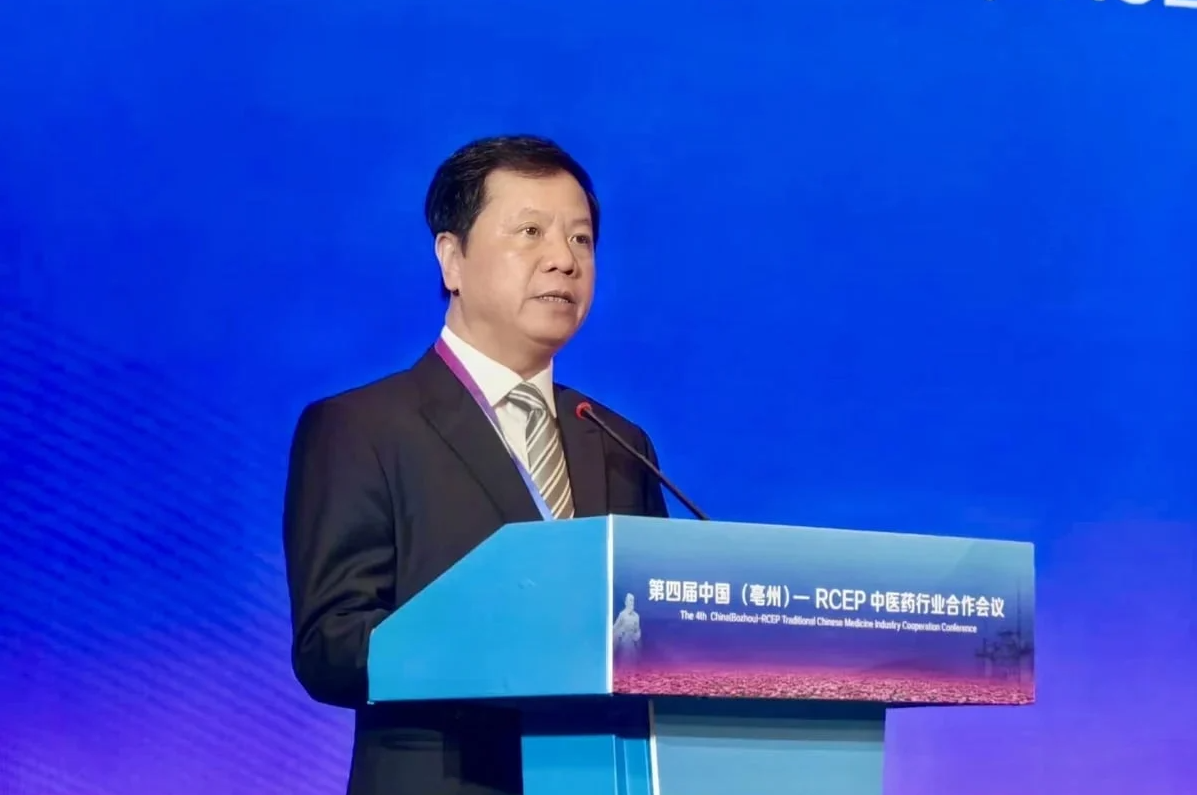 Agricultural and Environmental Counselor Do Quang Tung affirms that Viet Nam and China still have vast room for medicinal herb cooperation. Photo: Embassy of Viet Nam in China.
Combining the strengths of both countries
Mr. Do Quang Tung observed that the cooperation potential between Viet Nam and China in the field of traditional medicine is immense. China boasts the world's leading traditional medicine industry, while Viet Nam has abundant natural resources and a strongly developing market.
This potential is solidly reinforced by the Joint Statement issued in April 2026, in which top leaders of both countries agreed to strengthen cooperation in healthcare and traditional medicine.
Viet Nam's annual demand for medicinal herbs ranges from 80,000 to 100,000 tons, of which about 70% is currently imported. This creates strong opportunities for Chinese enterprises to export high-quality medicinal herbs or invest directly in production in Viet Nam.
In addition, Viet Nam possesses a nationwide network of traditional medicine hospitals and clinics, creating a highly promising market. There is ample room for cooperation to upgrade infrastructure, develop healthcare services, and promote the integration of traditional and modern medicine.
Beyond trade and investment, the two sides can also cooperate in areas such as exchanging genetic resources and breeding superior plant varieties; scientific research and pharmaceutical development; technology transfer; digital agriculture and artificial intelligence (AI) applications; and professional training and human resource development.
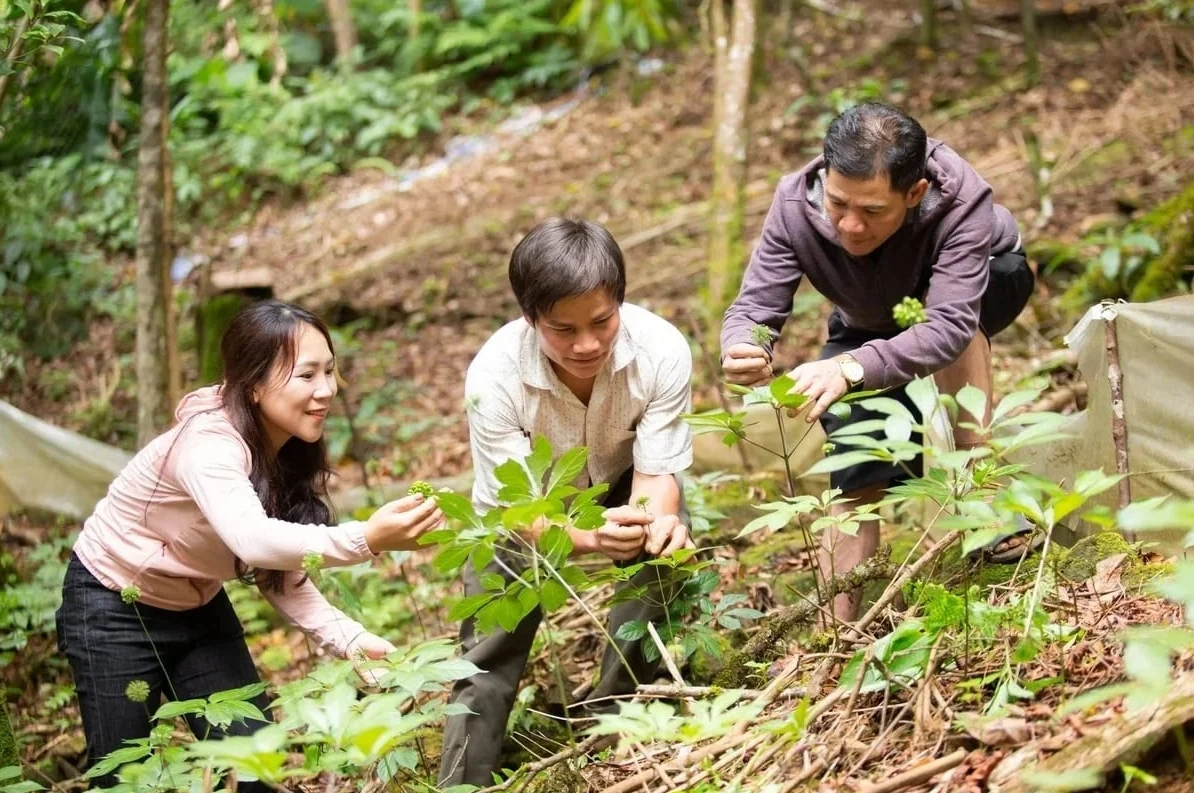 Ngoc Linh ginseng is a rare medicinal herb, likened to a treasure of the great forest, and the pride of ethnic minority people in the southwestern mountainous area of Da Nang city. Photo: Lan Anh.
"By combining China's technology and expertise with Viet Nam's natural advantages and market potential, we can build a partnership that benefits public health, rural development, and mutual prosperity", Mr. Tung affirmed.
According to Viet Nam's Agricultural and Environmental Counselor in China, many traditional medicine establishments in Viet Nam, including hospitals, production facilities, research institutes, and medicinal cultivation areas, are actively seeking partners from China.
The Embassy of Viet Nam in China is ready to coordinate closely with potential partners to strengthen cooperation in the field of medicinal herbs and traditional medicine; welcoming Chinese researchers, enterprises, and investors to explore new opportunities in Viet Nam.