The project aims to strengthen the capacity for early detection and warning of zoonotic diseases.
The Quang Ninh City Sub-Department of Livestock Production and Animal Health held a technical consultation meeting to finalize the draft plan for implementing avian influenza virus surveillance sampling in 2026. This is a key technical activity under the project “Strengthening Capacity for the Detection, Surveillance, Early Warning and Early Response to Zoonotic and Emerging Infectious Diseases” (EpiC and STRIDES).
FHI 360, a US-based organization, funded the project, and the Quang Ninh City People’s Committee approved and accepted it under Decision No. 1951/QĐ-UBND dated June 4, 2026.
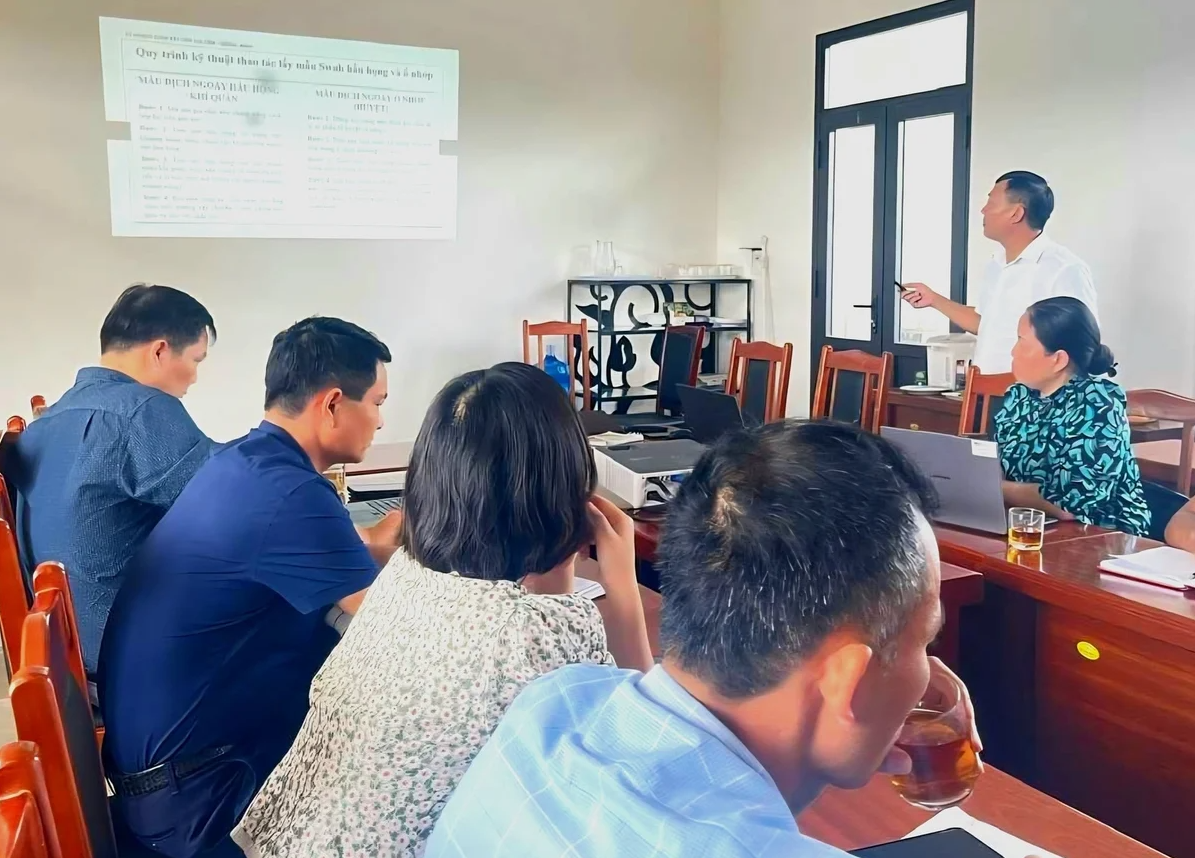 The Quang Ninh Sub-Department of Livestock Production and Animal Health presents the draft plan. Photo: Dang Thu.
At the meeting, representatives of the Sub-Department of Livestock Production and Animal Health presented the draft 2026 Avian Influenza Virus Surveillance Plan in detail. Representatives from localities also provided an overview of the poultry farming situation and epidemiological developments in their respective areas, and proposed suitable sampling sites in line with technical criteria.
Participants held in-depth discussions on key technical aspects, including clearly defining the objectives, scale, target populations and sampling schedule. Participants carefully reviewed procedures for sample preservation and transportation to laboratories, as well as recording epidemiological information in the field, to ensure the highest possible levels of accuracy and biosafety.
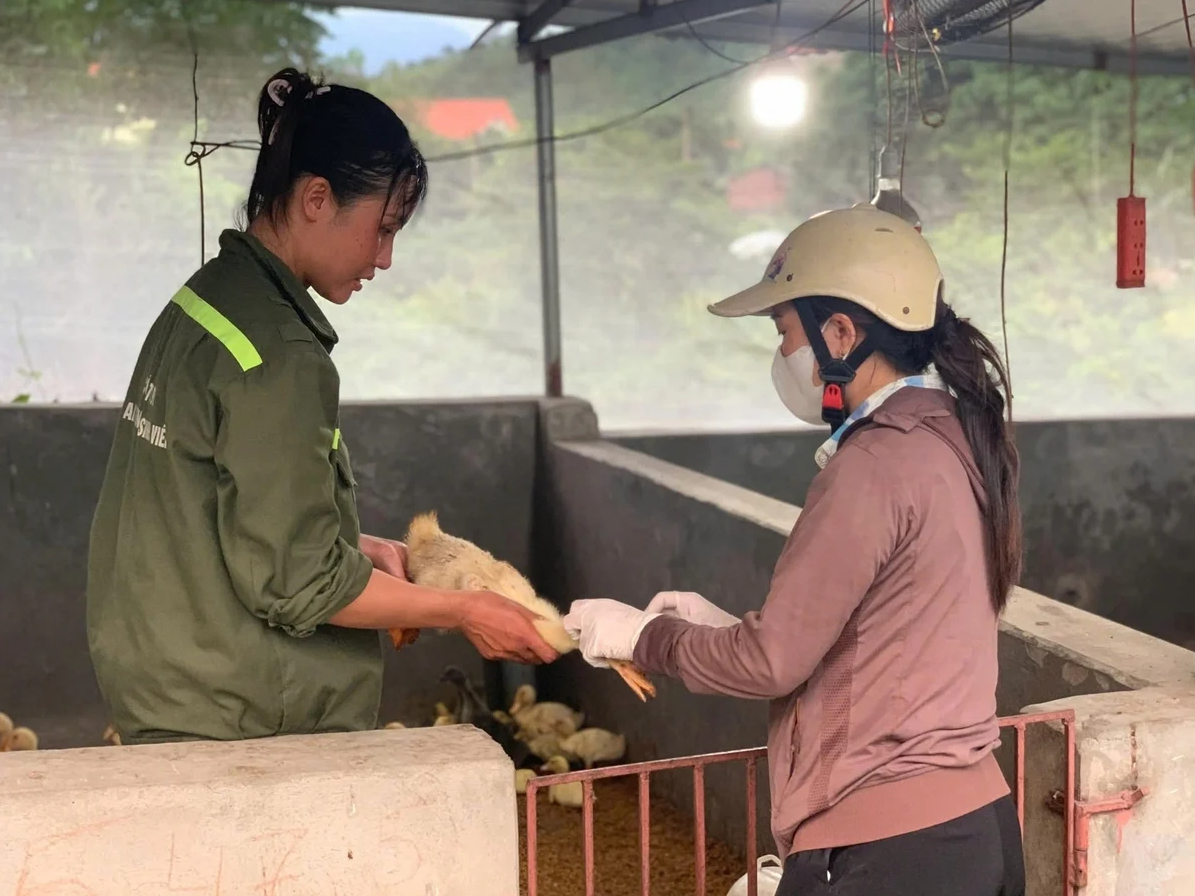 Binh Khe Ward conducts the first round of livestock and poultry vaccination in 2026. Photo: Cuong Vu.
One of the key outcomes agreed upon at the meeting was to strengthen coordination among international experts, specialized veterinary authorities and local governments. The selection of poultry farms, collection points and poultry groups for sampling was carefully considered based on the risk of virus circulation and spread, thereby improving the representativeness and scientific value of surveillance data. The team will compile feedback from the meeting to finalize the detailed plan before large-scale implementation begins.
Through this cooperation program, Quang Ninh's veterinary sector will not only strengthen its capacity to proactively detect dangerous avian influenza virus strains but also establish an effective early warning mechanism. Technical support from international organizations provides an important foundation for the locality to protect poultry flocks, minimize the risk of transmission to humans, and maintain socio-economic stability in the area.