Last week, delegates from six ASEAN countries, including Viet Nam, took part in a three-day ASEAN-Netherlands experience-sharing programme in the Philippines.
The Embassy of the Netherlands in Viet Nam said the programme was supported by the Dutch Ministry of Infrastructure and Water Management, with participation from Dutch embassies across the region. The event took place against a backdrop of increasingly evident climate change impacts worldwide, from Europe to Southeast Asia, directly affecting livelihoods, public safety, the natural environment and economic activities. Although many countries have developed national climate change adaptation plans, translating their objectives and strategies into practical action remains a major challenge.
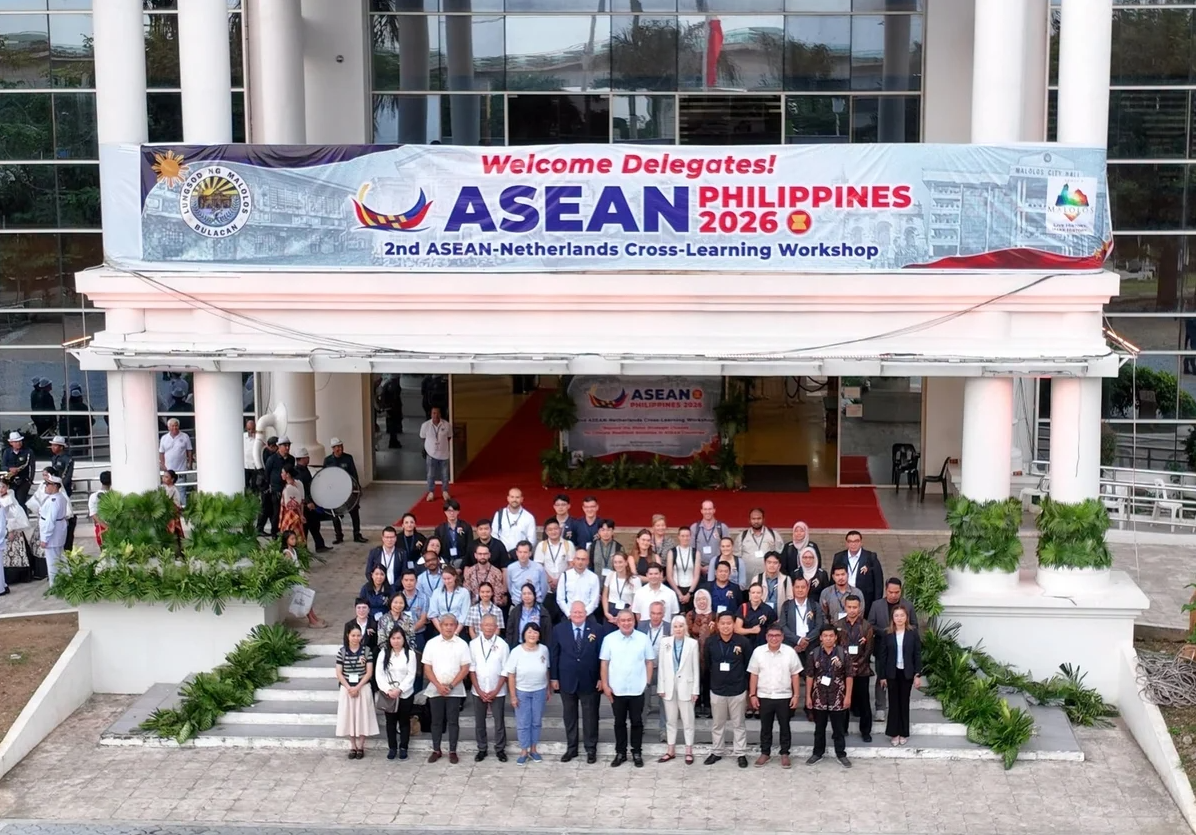 Delegates from six ASEAN countries, including Viet Nam, participated in the three-day ASEAN-Netherlands experience-sharing programme in the Philippines. Photo: Embassy of the Netherlands.
Over the three days, delegates shared experiences in implementing adaptation plans, developing projects and identifying areas for cooperation and mutual support. Discussions focused on turning policy directions into concrete action while making effective use of each country's resources and expertise.
A highlight of the programme was a field visit to Pamarawan Island in the Philippines. There, delegates learned about nature-based solutions to help coastal communities adapt to climate change.
Notably, these solutions were developed with the active participation of local residents, demonstrating that communities are not merely beneficiaries but also play an important role in proposing and implementing adaptation initiatives.
This experience also highlighted that climate change adaptation requires not only appropriate technical solutions but also collective community action. When local residents are involved and empowered to take an active role, initiatives are better positioned to address real-world needs, deliver lasting results and provide tangible benefits to local communities.
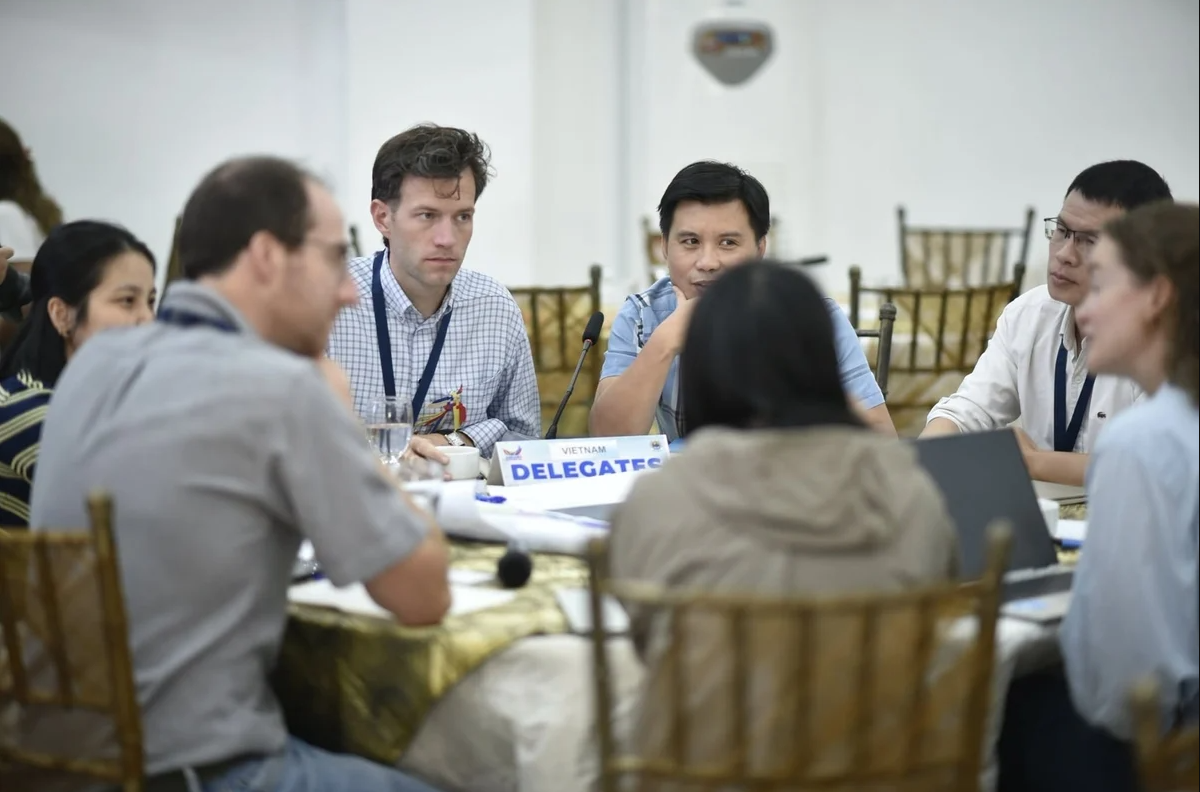 Delegates exchange views during the programme. Photo: Minh Hanh.
For the Netherlands, the value of such exchange programmes lies in the opportunity for mutual learning. As a low-lying country with extensive delta regions and centuries of experience in water management, the Netherlands shares many common challenges with Southeast Asian countries in addressing water-related issues and climate change impacts.
Through these discussions, particularly those on nature-based solutions, the Netherlands hopes to foster practical cooperation with regional partners, strengthen adaptive capacity and support vulnerable communities.
The programme also provided an open platform for dialogue, enabling participants to assess shared challenges, exchange practical lessons and explore opportunities for future cooperation. The Netherlands expressed its desire to continue working alongside Viet Nam and other ASEAN partners to build long-term resilience to climate change.