The 2026 conference of Viet Nam’s World Biosphere Reserve Network took place in Quang Tri on November 4, focusing on conservation and sustainable development.
The conference was jointly organized by the Viet Nam National Committee for the Man and the Biosphere Program (MAB Viet Nam) and the Quang Tri Provincial People's Committee. It brought together representatives of UNESCO, international organizations, all 12 World Biosphere Reserves in Viet Nam, as well as scientists and experts.
In his opening remarks, Assoc. Prof. Dr. Kieu Van Hoan, Chairman of MAB Viet Nam, emphasized that 2026 marked an important milestone for the network, with Phong Nha - Ke Bang becoming Viet Nam's 12th World Biosphere Reserve. Over 26 years of establishment and development, the network has continued to expand, helping connect nature conservation with sustainable socio-economic development.
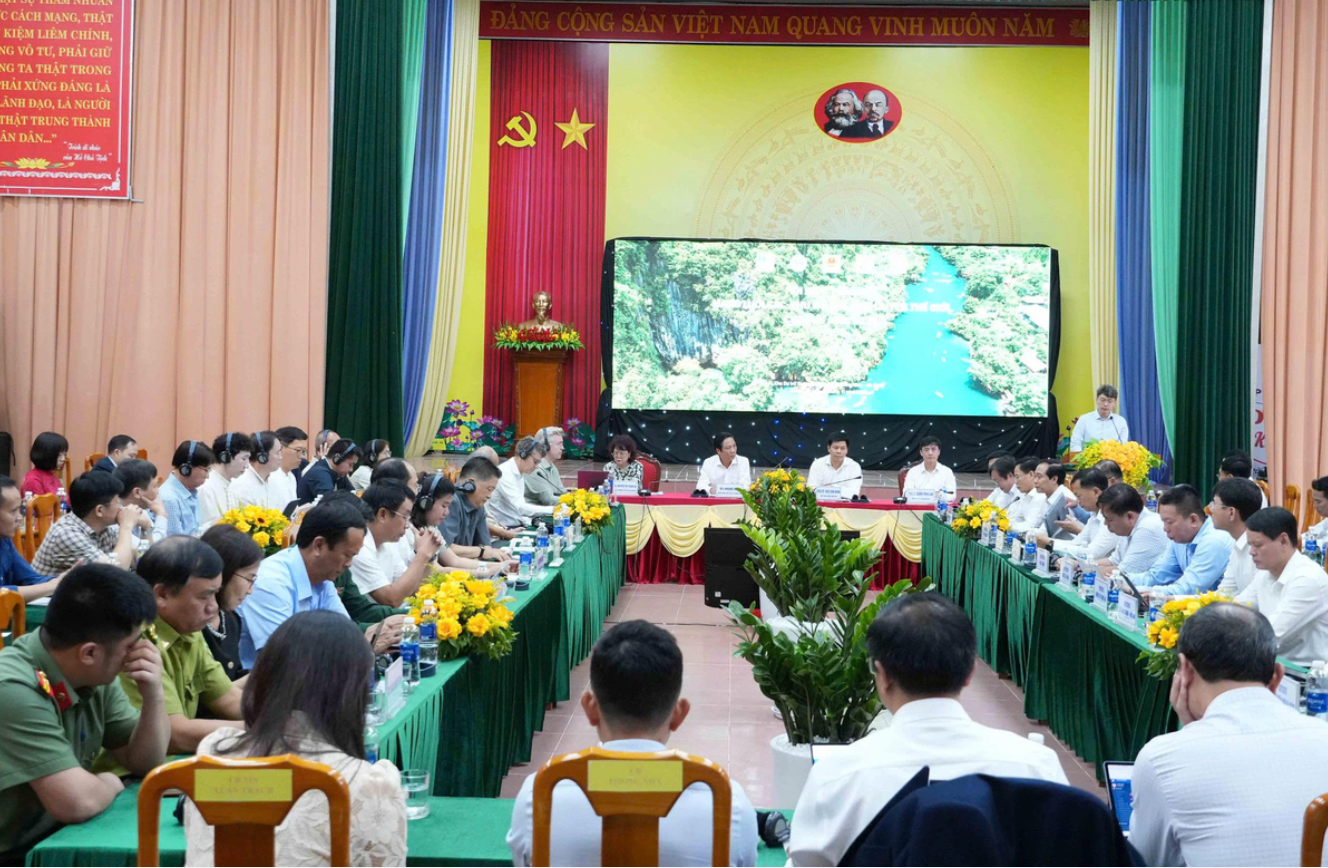 An overview of the conference. Photo: Organising Committee.
According to Mr. Hoan, World Biosphere Reserves are more than just international designations. They represent a management model built around three interconnected functions: conserving biodiversity and cultural values; promoting sustainable socio-economic development; and supporting scientific research, education and capacity building.
The effectiveness of each reserve should be assessed based on the quality of its management, stakeholder participation and the tangible benefits it delivers to local communities.
Speaking at the conference, Mr. Hoang Nam, Standing Vice Chairman of the Quang Tri Provincial People's Committee, said World Biosphere Reserves were not merely spaces for nature conservation, but also places where scientific knowledge and local experience could be brought together, linking local efforts with broader sustainable development goals.
For Phong Nha - Ke Bang, UNESCO's recognition as Viet Nam's 12th World Biosphere Reserve further affirms its outstanding geological, geomorphological, ecological and biodiversity values. However, this recognition also brings greater responsibility for safeguarding the site's natural heritage.
Quang Tri Province has identified conservation and sustainable development as mutually reinforcing priorities. Tourism activities must respect nature's limits and carrying capacity, while ensuring that local residents can participate in and benefit from conservation efforts.
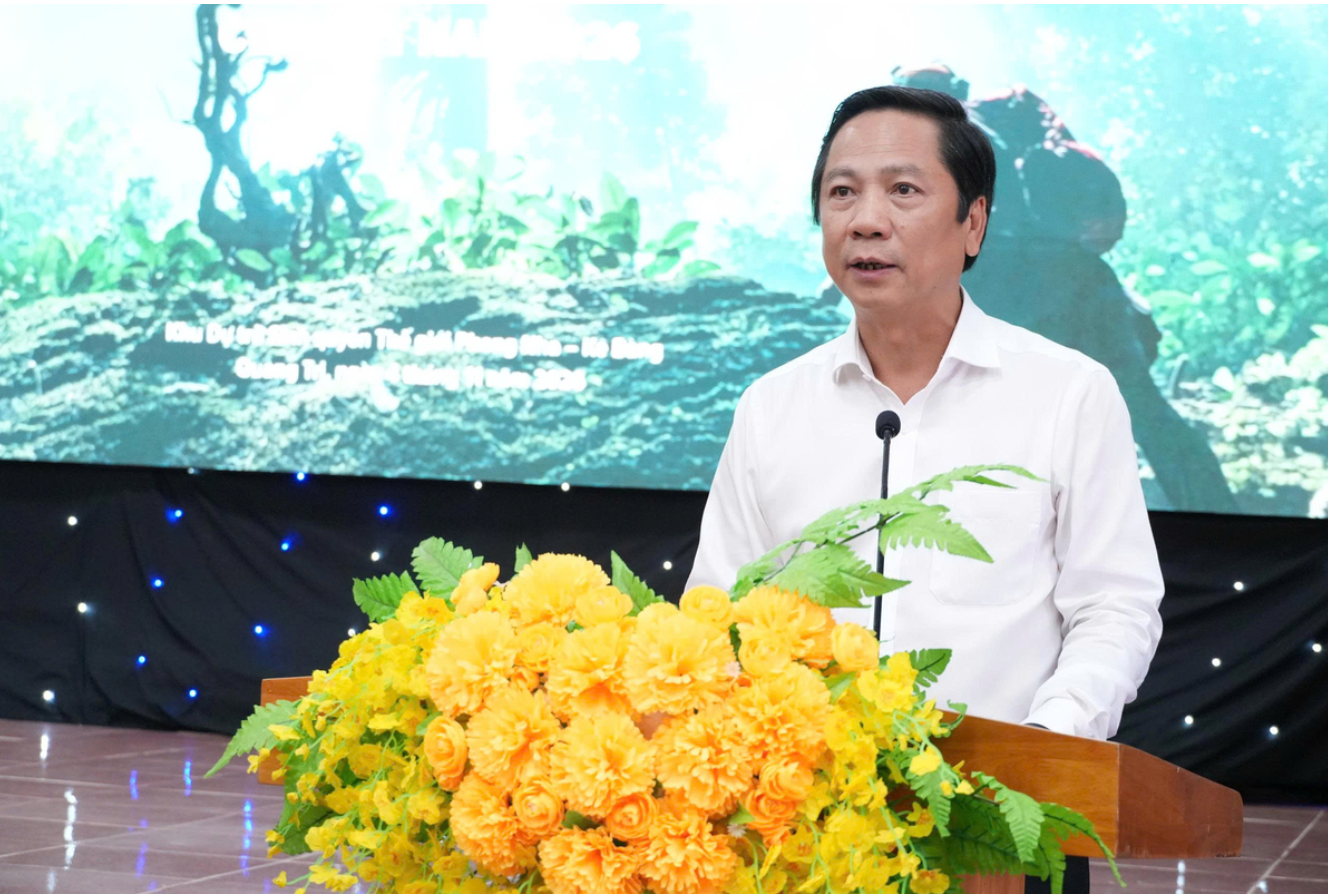 Mr. Hoang Nam, Standing Vice Chairman of the Quang Tri Provincial People's Committee, speaks at the conference. Photo: Organising Committee.
Addressing the network's future direction, Ms. Nguyen Thi Thanh Ha, Vice Chairwoman of MAB Viet Nam, said greater efforts were needed to apply science and technology, promote innovation and accelerate digital transformation in biosphere reserve management.
Priority should be given to developing databases, monitoring systems and biodiversity surveillance mechanisms, while strengthening information sharing to support management and forecasting.
She also called for closer links between management agencies, research institutes and universities to translate research findings into practical conservation measures and support livelihood development for communities living in and around biosphere reserves.
Mr. Nguyen Nam Khanh, a representative of the Department of Cultural Diplomacy and UNESCO under the Ministry of Foreign Affairs and the Secretariat of the Viet Nam National Commission for UNESCO, proposed that local authorities review their management boundaries and functional zones following the administrative restructuring and the introduction of the two-tier local government model.
He stressed the need to strengthen coordination mechanisms and integrate conservation objectives into local development plans and strategies.
In particular, ecological values should be translated into tangible benefits for local communities through ecotourism, forest environmental services payments, the development of distinctive products associated with biosphere reserves and exploration of opportunities to participate in carbon credit markets.
Expanding international cooperation, applying technology and accelerating digital transformation were also identified as important solutions for mobilising resources for conservation.
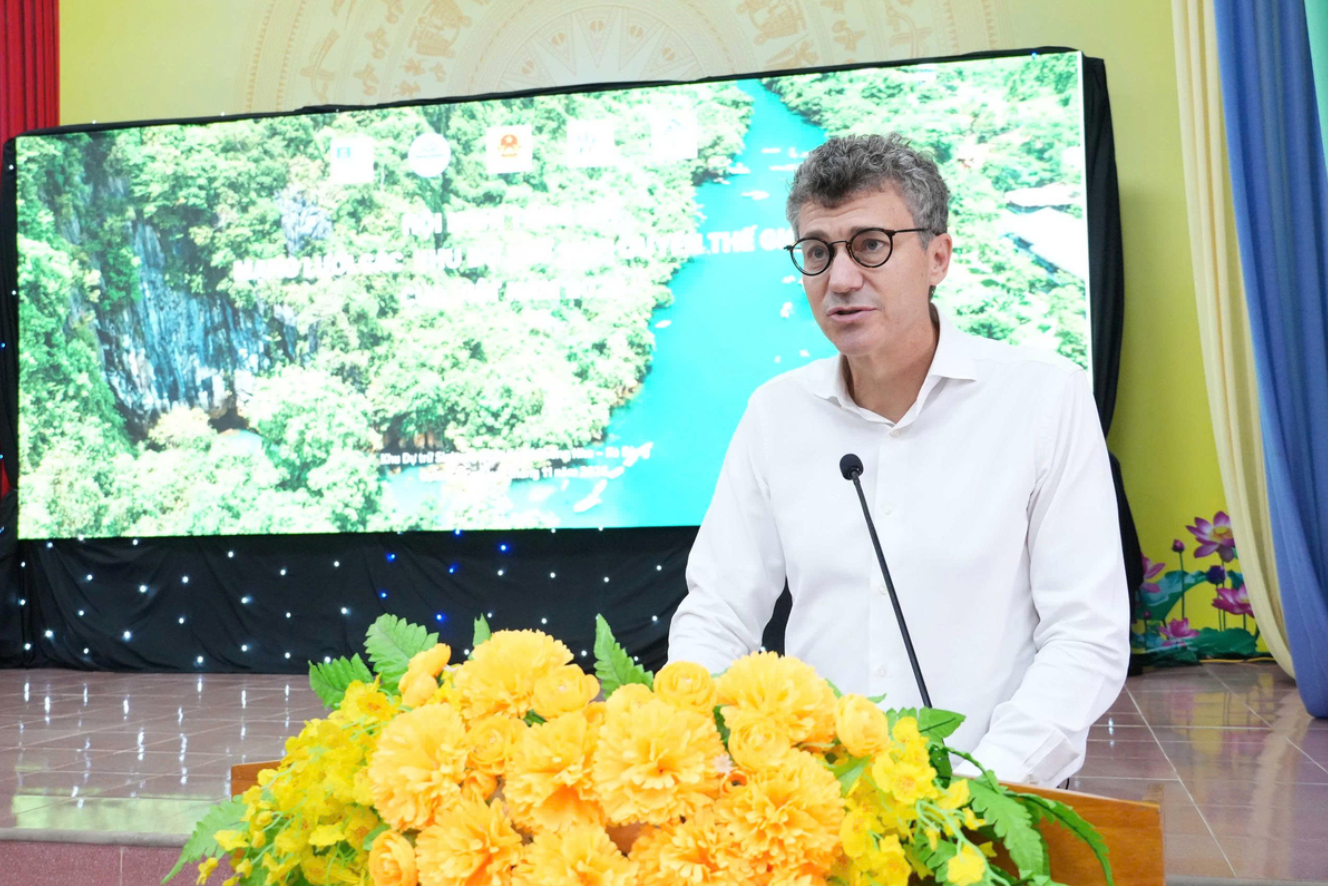 Jonathan Wallace Baker, UNESCO Representative to Viet Nam, speaks at the conference. Photo: Organising Committee.
At the conference, delegates reviewed the activities of the MAB Viet Nam Network and discussed outcomes of the 38th session of the International Coordinating Council of the Man and the Biosphere Program (MAB-ICC), held in Paraguay. They also received an introduction to the MAB digital platform and heard about Thailand's experience in developing its biosphere reserve network, as well as cooperation with the Dong Nai Biosphere Reserve.
As part of the event, an exhibition showcased photographs, maps, documents and distinctive One Commune One Product (OCOP) products from Viet Nam's 12 World Biosphere Reserves. Delegates also took a field visit to the Central Boat Wharf, Phong Nha Cave, and the Phong Nha Cave Exploration Information Center, where they learned about the area's scenic landscapes, cave systems, and efforts to link conservation with sustainable tourism development.