The introduction of Viet Nam’s carbon market, coupled with flexible compliance mechanisms, is creating new financial opportunities for businesses in agriculture, forestry and renewable energy, turning climate action into a driver of sustainable wealth creation.
A financial lifeline for businesses
One of the most notable strengths of Viet Nam’s emerging carbon market framework is its flexible operating mechanism, as outlined in recently issued regulations.
Under the new rules, facilities that exceed their emissions allowances may borrow up to 15% of their allocation from the following compliance period or use carbon credits to offset emissions, subject to a limit of 30% of their allocated quota.
Assessing these provisions from a corporate finance perspective, Associate Professor Dr. Nguyen Dinh Tho, Deputy Director of the Institute of Strategy and Policy on Agriculture and Environment, noted that Viet Nam’s flexibility thresholds are relatively generous compared to international practice, where borrowing and offset limits are often restricted to between 5% and 10%.
“During this pilot phase, such flexibility is essential. It provides businesses with sufficient room to adjust their strategies, whether by investing in cleaner technologies to reduce emissions or by purchasing carbon credits on the market to optimize production costs,” he said.
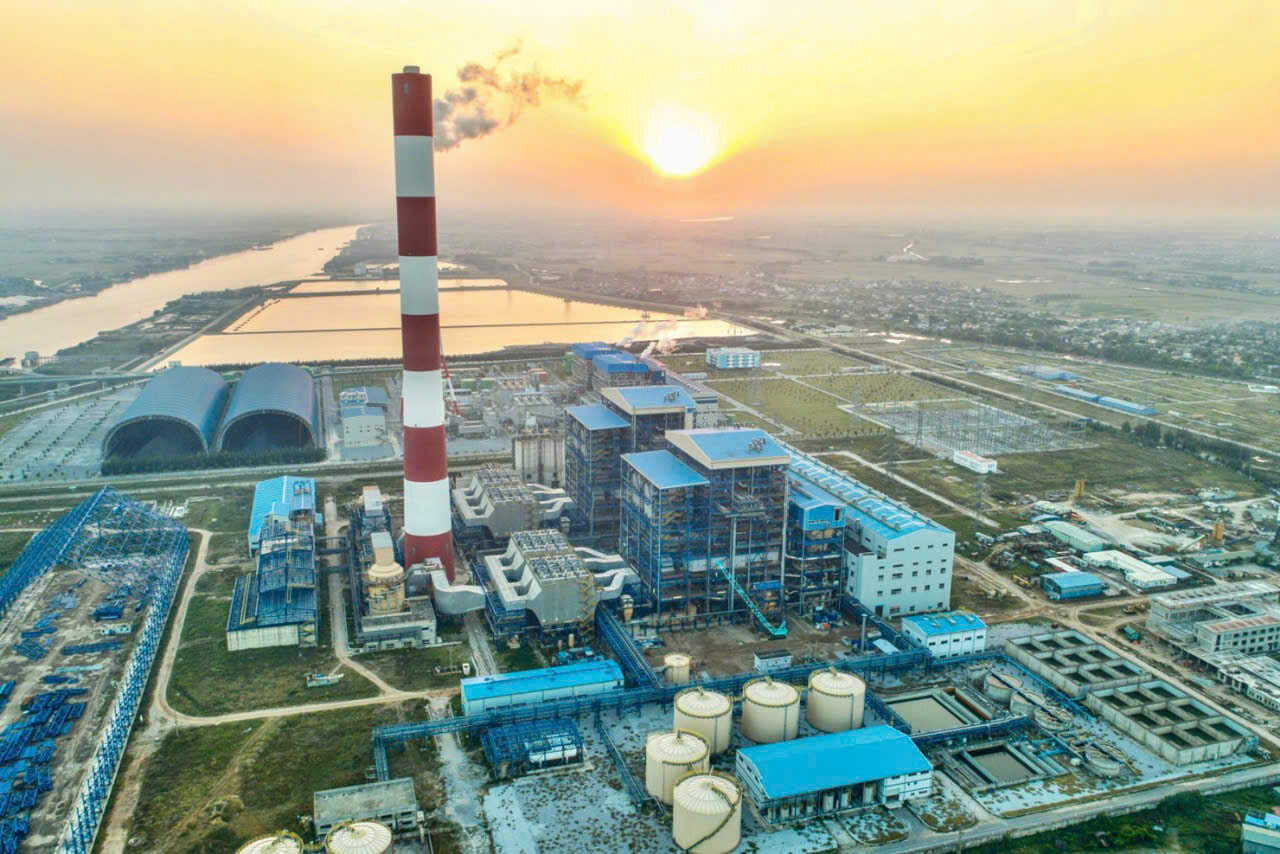 The carbon exchange creates breakthrough financial opportunities for businesses in agriculture, forestry and renewable energy.
The carbon market is not merely a platform for the 110 major emitters in the thermal power, steel and cement sectors. In reality, it creates an entirely new avenue for wealth generation in sectors traditionally viewed as less commercially dynamic, including agriculture, forestry and renewable energy.
When heavy industrial enterprises face allowance shortages, they will need to purchase offset credits through the market. This is where projects such as watershed forest restoration, mangrove conservation and low-emission rice cultivation can unlock significant commercial value.
A green economic future for Viet Nam
Associate Professor Dr. Nguyen The Chinh, Vice Chairman of the Viet Nam Association of Environmental Economics, believes clear regulatory guidance is needed to enable agricultural and forestry enterprises to register and trade carbon credits on the exchange.
“With their participation, the supply of carbon sequestration credits will increase, improving market liquidity and creating stronger incentives for forest protection and environmental stewardship,” he said.
According to Dr. Chinh, many localities, including Phu Tho and Yen Bai provinces, are already seeing growing interest from forest growers who want to understand where and how they can sell carbon credits generated from their forests. As the market expands, these environmental benefits can be transformed into tangible income streams.
The opportunity also extends to renewable energy developers. Wind and solar power producers generate electricity without the greenhouse gas emissions associated with coal-fired power plants. As a result, they can create substantial volumes of clean carbon credits and sell them to industries seeking to offset their emissions.
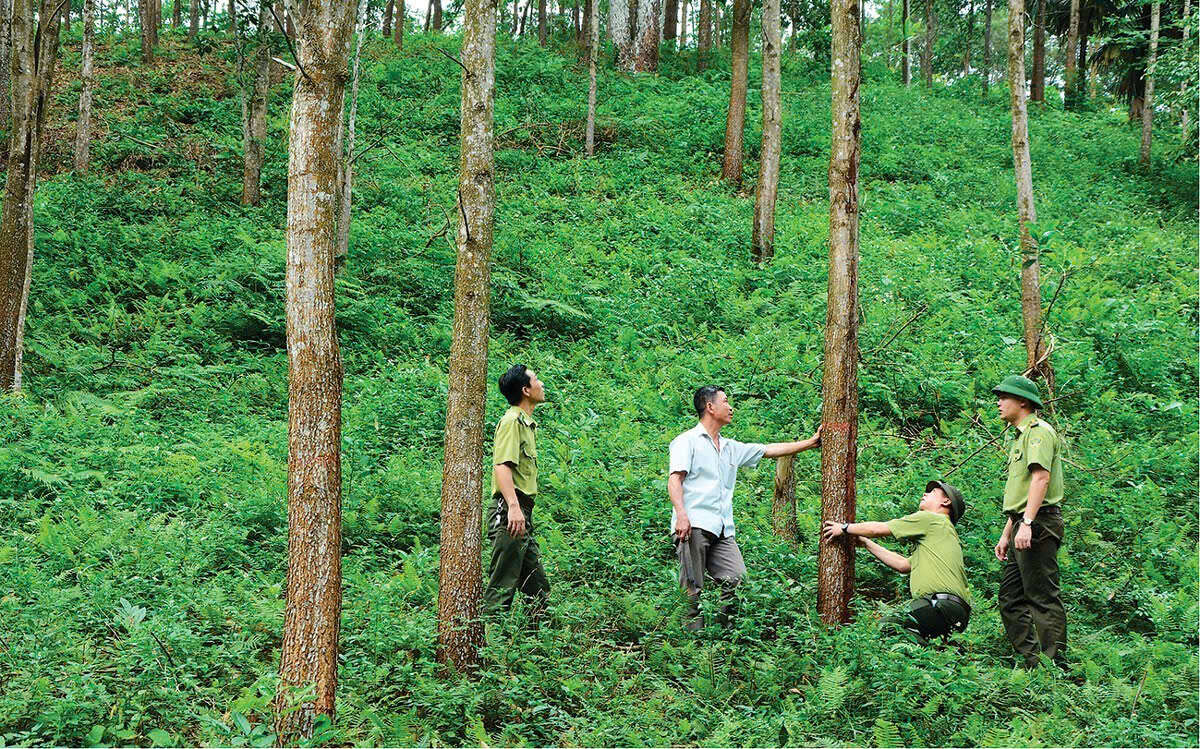 A growing supply of carbon sequestration credits can improve market liquidity while encouraging forest protection and environmental conservation.
Through market-based incentives and offset mechanisms, the carbon market is expected to accelerate the gradual transition away from fossil fuels and toward cleaner sources of energy.
In the years ahead, Viet Nam’s carbon market will be far more than a climate policy instrument. It is becoming an integral component of the country’s broader economic development strategy.
Although less than three years remain before the planned integration with international carbon markets, experts remain confident in the ability of Vietnamese businesses to adapt and thrive, supported by strong institutional efforts from the Ministry of Agriculture and Environment and the Ministry of Finance.
Green transformation is no longer an expensive obligation. Increasingly, it is emerging as one of the most powerful pathways for Vietnamese enterprises to enhance competitiveness, create new sources of wealth and strengthen their position in global markets.
By unlocking flexible compliance mechanisms, the carbon market is transforming environmental responsibility into a compelling economic opportunity. It offers a historic chance for mangrove forests, low-emission rice fields and clean energy projects to generate real financial returns for communities and businesses alike, helping shape a more prosperous and sustainable Viet Nam.