The cement industry plays an important role in infrastructure development and urban development, but it is also a major emission source.
According to estimates by the Institute of Building Materials under the Ministry of Construction, Viet Nam’s cement industry has a total production capacity of around 122 million tonnes per year. Annual CO2 emissions from the cement industry account for approximately 16-17% of emissions from industrial sectors.
It is the second-largest emitting sector after energy production. Most CO2 is generated during the high-temperature clinker calcination process, in addition to emissions from fuels used in cement kilns. Therefore, promoting emissions reduction solutions has become an urgent requirement to ensure the sustainable development of the cement industry.
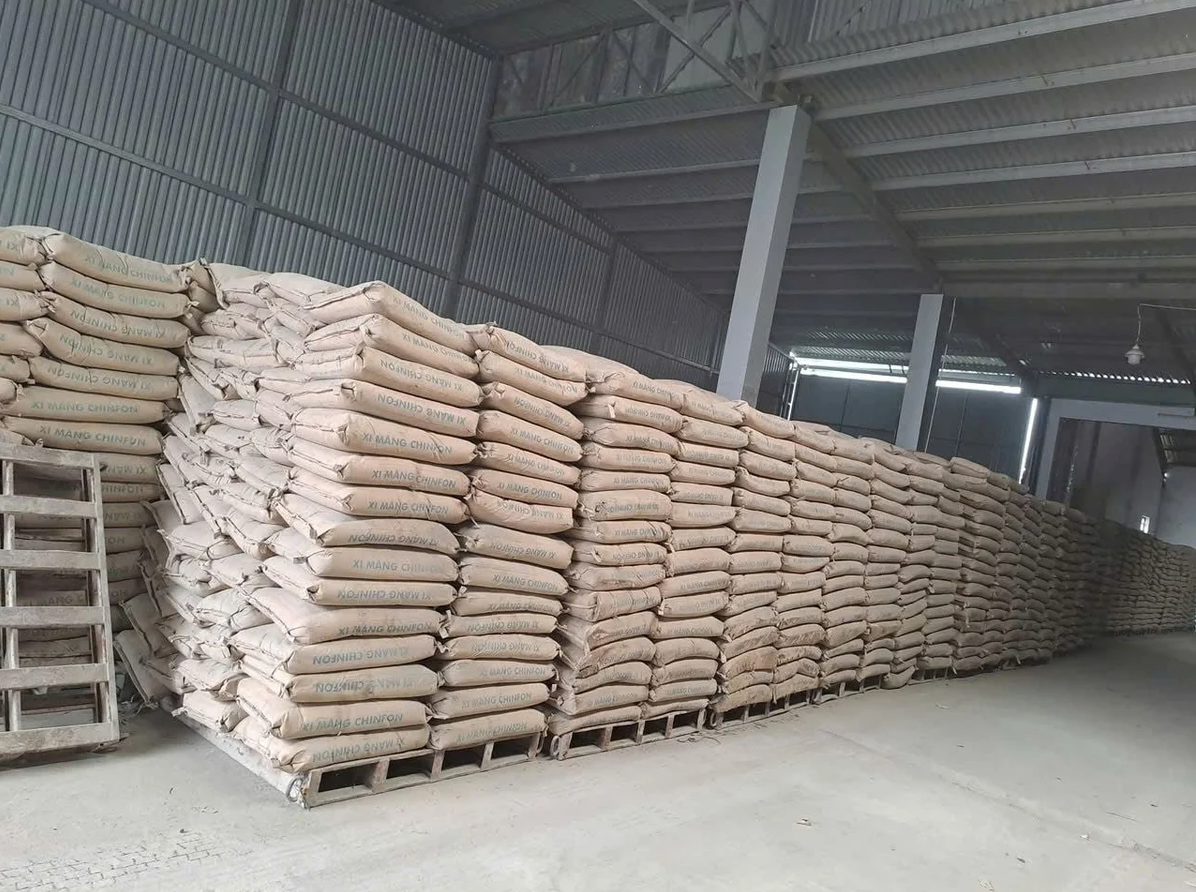 The cement industry is the second-largest source of emissions after the energy sector. Photo: Thuc Vy.
The United Nations Industrial Development Organization (UNIDO) is currently supporting Viet Nam in decarbonizing the cement industry. Limestone Calcined Clay Cement (LC3), developed by Swiss scientists, is considered a practical solution for reducing the clinker content of cement through the use of calcined clay and limestone. This approach can reduce CO2 emissions by up to 40% compared with conventional cement.
UNIDO recently launched the project “Financial Solutions for Decarbonization of the Cement Industry in Viet Nam.” Through the project, UNIDO is committed to supporting Viet Nam in promoting sustainable industrial development and transitioning towards a green growth model.
The project is designed to help Viet Nam address financial and technological challenges while promoting emissions reduction solutions across the cement value chain. Through coordination among government agencies, financial institutions, businesses and development partners, the project aims to establish appropriate financing mechanisms to encourage investment in low-emission cement technologies and contribute to the realization of Viet Nam’s climate commitments.
Under the Ministry of Construction’s Action Plan on Climate Change Response for 2022–2030, with a vision to 2050, a range of tasks have been set out, including greenhouse gas emissions inventories, the development of emissions reduction roadmaps, and the promotion of research and application of low-carbon building materials technologies. In this context, establishing financial mechanisms to support businesses in investing in green technologies is considered an important factor in accelerating the transformation of the cement industry.
UNIDO is working with the Ministry of Construction to implement the project on financial solutions for decarbonizing the cement industry, with the aim of turning decarbonization into an opportunity to enhance competitiveness and strengthen the industry’s long-term resilience.