Facing mounting pressure from major export markets such as the EU, United States, Japan, and multinational corporations, many Vietnamese companies are racing to establish emissions transparency strategies and move toward Net Zero to secure their orders.
According to Dr. Dinh Thi Hai Van of the Green Growth Research Institute, in just a few years, greenhouse gas transparency has shifted from a voluntary initiative to a mandatory requirement. The EU’s Carbon Border Adjustment Mechanism (CBAM), for example, now requires carbon-intensive products like steel and cement to disclose their emissions and face levies if thresholds are exceeded. Global firms such as Apple and Unilever are also demanding full ESG disclosure and carbon footprint data from suppliers.
 Dr. Dinh Thi Hai Van of the Green Growth Research Institute, Vietnam National University of Agriculture.
Dr. Van noted that the first step for businesses is to measure and publicly disclose their emissions—an effort less complex than conducting a full GHG inventory, but one that lays the foundation for long-term transformation. With experience, businesses can move toward international standards such as the GHG Protocol or ISO 14064, and develop more comprehensive ESG reporting.
Some large Vietnamese firms such as Vinamilk, TH True Milk, and Hòa Phát have already taken early action and secured environmental certifications. However, small and medium-sized enterprises (SMEs) still face significant challenges due to limited human resources, financial constraints, and unfamiliarity with global standards.
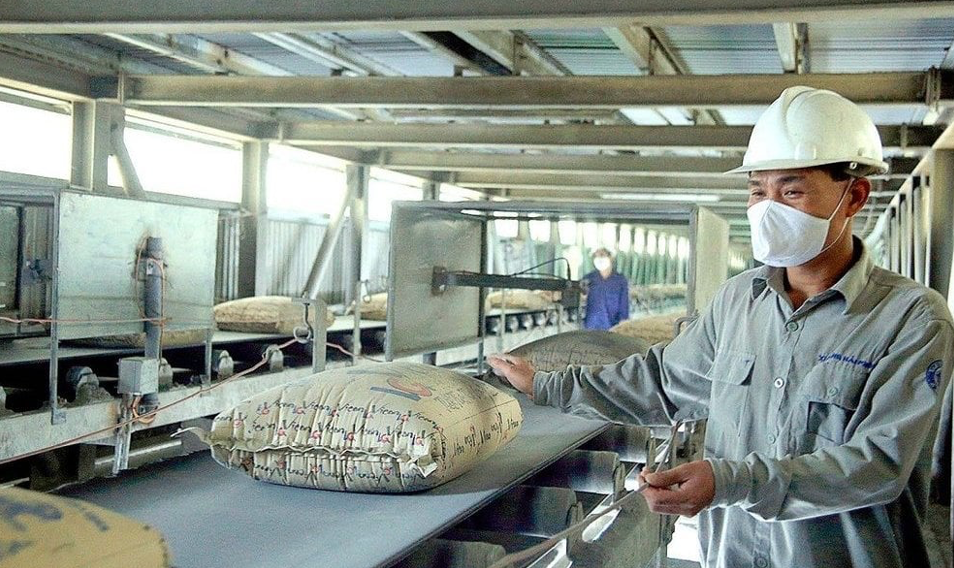 Small and medium-sized enterprises face mounting pressure to conduct greenhouse gas inventories.
Vietnam’s Decree No. 06/2022/NĐ-CP mandates that by 2026, large emitters must conduct periodic GHG inventories. While SMEs may be smaller in scale, they will also be subject to the regulation if they exceed certain emissions or energy consumption thresholds.
“The longer businesses delay, the higher the cost of transition,” Dr. Van warned. The Green Growth Research Institute is currently piloting a “one-stop” model to support businesses—from GHG inventories and emission reduction planning to green finance access and internationally aligned ESG reporting.
She recommends that 2025 be treated as a “rehearsal year,” during which businesses should proactively standardize their processes and focus on measuring both direct and indirect emissions from fuel and electricity—sources that can often be tracked through invoices and operational records.
“If you can’t measure it, you can’t improve it. Without transparency, you can’t play in the global market. This is no longer a compliance cost—it’s a survival investment,” Dr. Van emphasized.