In the first nine months of 2026, Viet Nam’s coffee exports reached 1.45 million tonnes, valued at $6.57 billion.
According to a report by the Agency of Foreign Trade under the Ministry of Industry and Trade, citing data from the Viet Nam Customs Department, Viet Nam exported 122,700 tonnes of coffee worth USD 554.6 million in September 2026, up 51.3% in volume and 20.1% in value compared with September 2025.
In the first nine months of 2026, Viet Nam's coffee exports reached 1.45 million tonnes, valued at USD 6.57 billion, up 16.3% in volume but down 6.9% in value year-on-year.
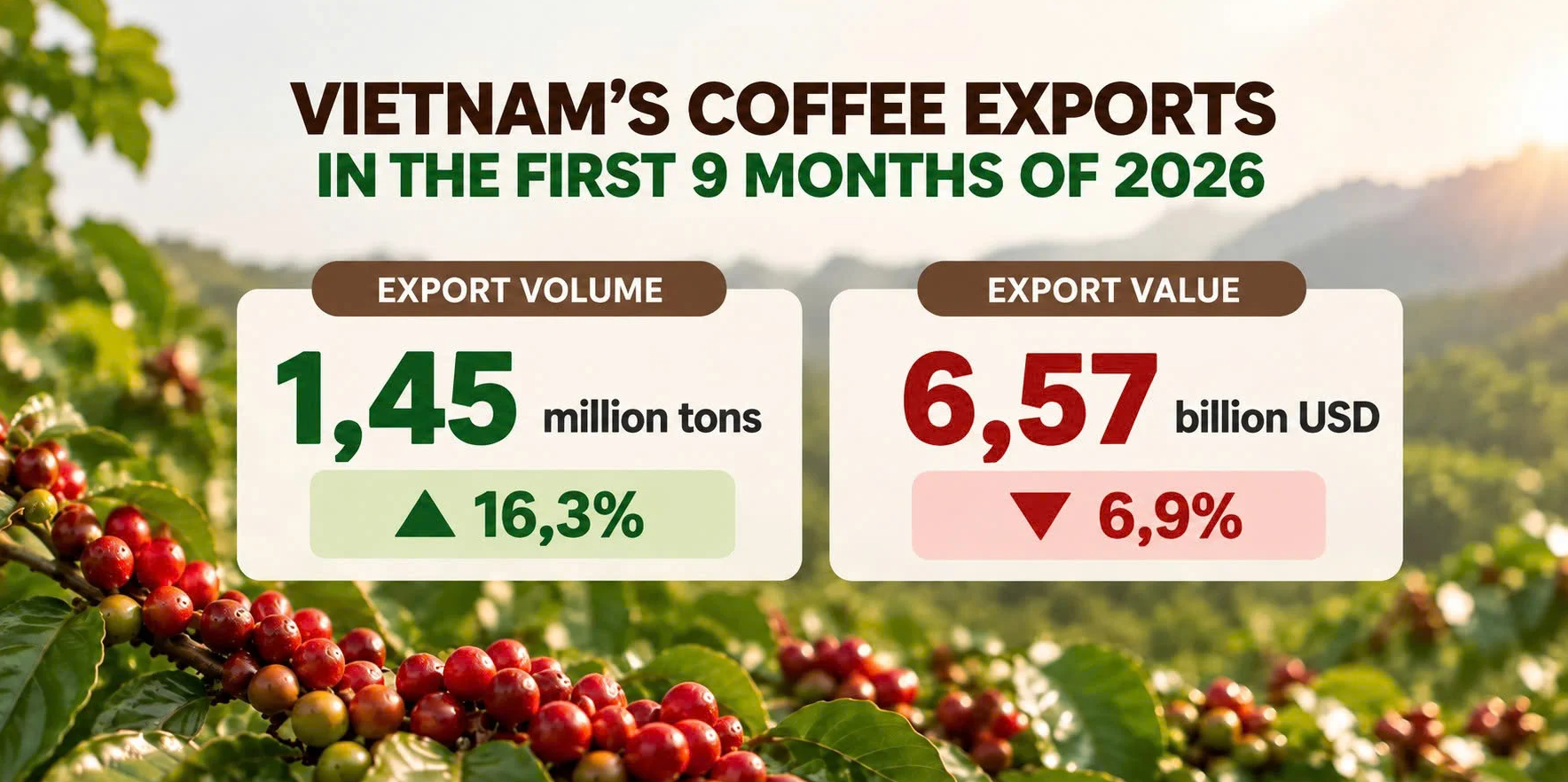 Source: Viet Nam Customs Department. Graphic: HT.
Viet Nam's coffee exports are expected to improve in the final months of 2026, supported by fresh supplies from the new harvest and stronger import demand ahead of the year-end consumption season. Demand for Robusta coffee used in blends is also expected to support exports. As a major Robusta supplier, Viet Nam can strengthen its competitiveness and expand market share through consistent quality, competitive prices, and timely order fulfillment.
In September 2026, Viet Nam's average coffee export price reached USD 4,519 per tonne, up 1.1% from August but down 20.6% year-on-year.
Europe remained the leading destination for Vietnamese coffee exports in the first nine months of 2026, with export volumes to major markets, including Germany, Italy, Spain, and Belgium, all increasing year-on-year. In Asia, Viet Nam's coffee exports showed positive signs, particularly in China and Japan.
Exports to China reached 54,600 tonnes worth USD 279.6 million, up 48.8% in volume and 53.1% in value compared with the same period in 2025. Meanwhile, exports to Japan totaled 95,900 tonnes valued at USD 473.1 million, up 25.6% in volume but down 1.4% in value due to lower export prices. Rising export volumes to both markets indicate growing demand for Vietnamese coffee.
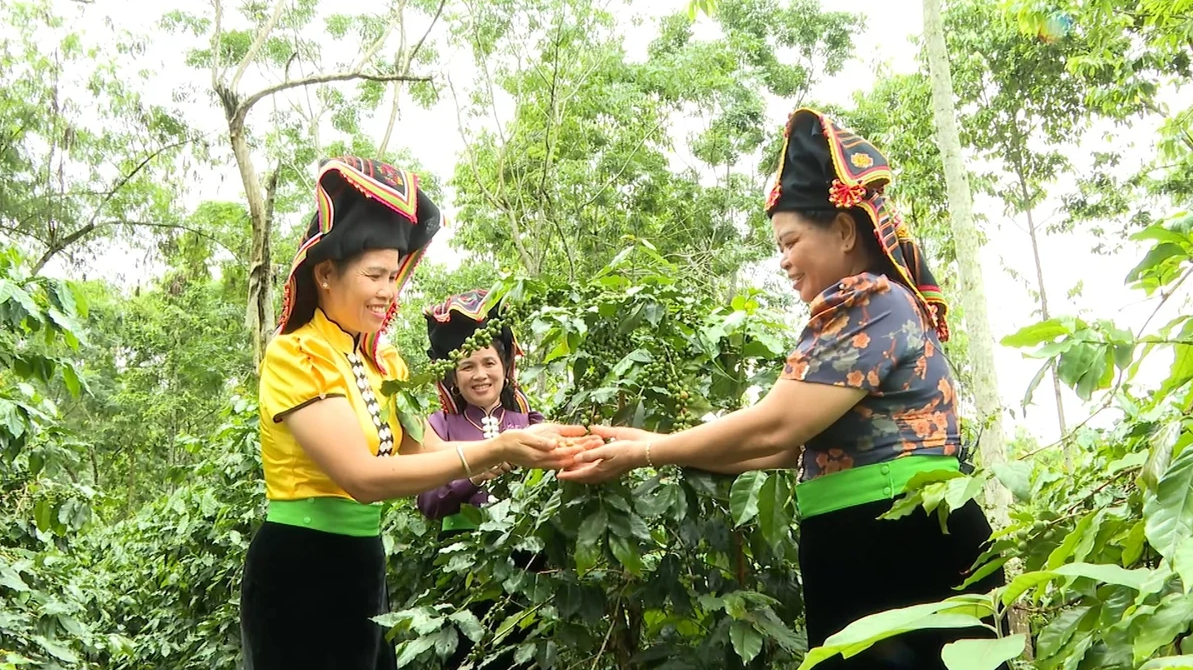 In the first nine months of 2026, Viet Nam exported 1.45 million tonnes of coffee worth USD 6.57 billion, up 16.3% in volume but down 6.9% in value year-on-year. Photo: HT.
In the Americas, Viet Nam's coffee exports to the United States reached 103,400 tonnes worth USD 441.2 million, up 46% in volume and 13.8% in value compared with the same period in 2025.
In Africa and other markets, coffee exports to Algeria continued to grow, with volumes rising 6.4% year-on-year. This growth has helped Viet Nam expand its coffee market reach and diversify export destinations.
Global coffee prices declined in early October 2026 amid supply pressure from rising Brazilian exports. However, shrinking ICE-certified Robusta inventories and reduced Arabica supplies in several producing countries limited the decline.
Domestic coffee prices also fell in early October, following global trends. Nevertheless, limited end-of-season supplies and sustained export demand helped cushion the decline.
 Nguyen Ngoc Quynh, Deputy General Director of the Mercantile Exchange of Viet Nam (MXV), said future coffee prices will largely depend on actual output in Brazil and Viet Nam, harvest progress, crop quality, inventories, and market supply. Photo: MXV.
Nguyen Ngoc Quynh, Deputy General Director of the Mercantile Exchange of Viet Nam (MXV), said the late-September and early-October decline in coffee prices coincided with the start of Viet Nam's new crop season. As harvesting begins, early-season supplies entering the market could put additional pressure on prices, particularly following the previous sharp rally.
However, initial harvest volumes do not reflect the full season's supply. Carryover stocks remain low, while production continues to face challenges from weather conditions, water availability, and rising input costs. With limited agricultural land, increasing pressure on water resources, unpredictable weather, and higher production costs, expanding coffee supply will remain challenging.
A recovery in Brazil's output could ease short-term supply shortages. However, for the market to enter a sustained surplus cycle, new supplies would need to remain sufficiently strong to rebuild inventories and meet consumption demand. Quynh added that future coffee prices will largely depend on actual production in Brazil and Viet Nam, harvest progress, crop quality, inventory levels, and the availability of coffee supplies on the market.
$ 1 = 26,060 VND. Source: Vietnamcombank.