A discarded apple or an unfinished meal carries with it the land, water, energy and human effort that went into producing it. At the Dialogue on “Policy Impacts and Solutions to Reduce Food Loss and Waste”, held in Hanoi on the morning of September 25, Mr. Morten Jakobsen, Trade and Investment Adviser at the Embassy of Denmark in Vietnam, used this image to pose a question: How can we retain the value that is being lost along the food chain?
The message from the Embassy of Denmark was that knowledge needs to be translated into practical action. Agricultural by-products can be turned into inputs for new products, while organic waste can be processed into fertilizer. Food that is still fit for consumption, when it meets quality and safety requirements, can be redirected to people in need.
Cooperation with Food Bank Vietnam has demonstrated two approaches. The Green Hero Solutions project seeks to divert organic waste from landfills and reduce emissions, while also helping communities access nutritious food.
As part of the two countries’ strategic sectoral cooperation on food, the partners have also developed the handbook “Recycling Food Waste – Solutions for a Green Future”, turning knowledge into practical guidance for households, schools and businesses.
Three questions were raised for the dialogue: What value is being lost that could be retained? What can each person change through policy, business, research or everyday practices? And how can stakeholders work together to scale up effective solutions? These questions bring the global food loss and waste challenge closer to each stage of Vietnam’s food chain.
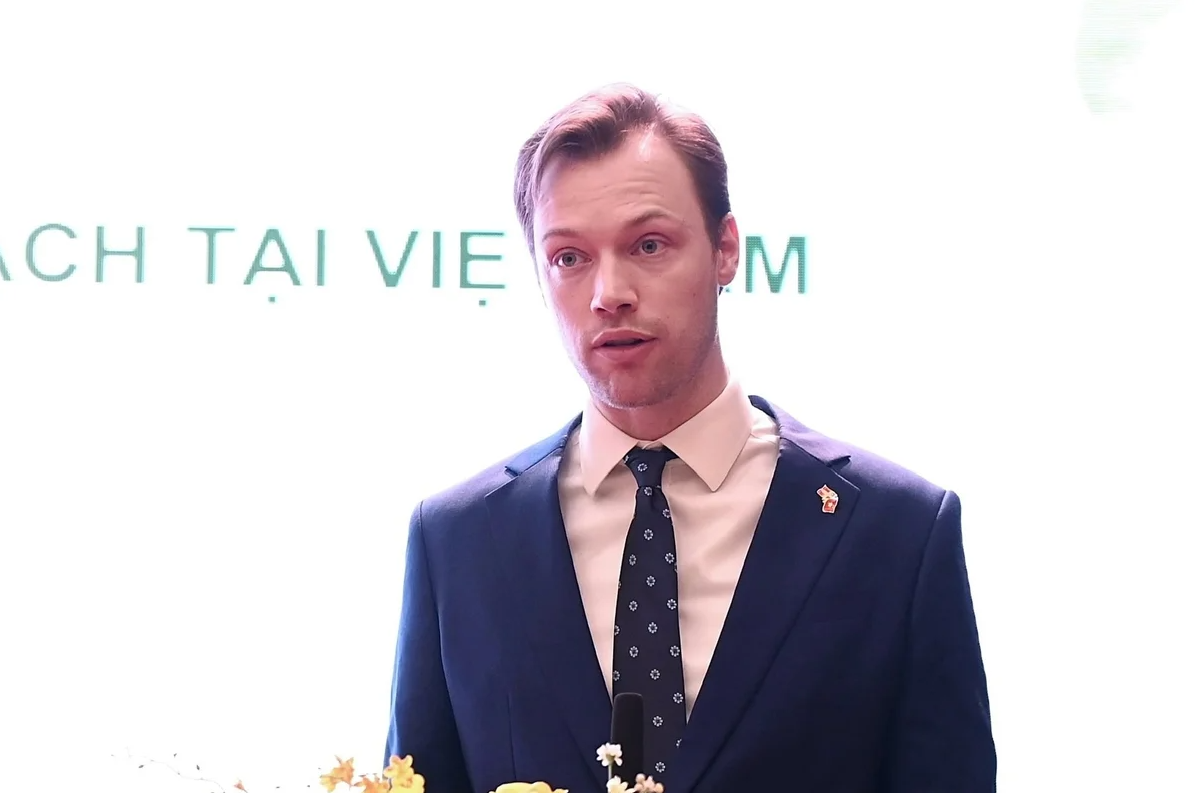 According to Mr. Morten Jakobsen, Trade and Investment Adviser at the Embassy of Denmark in Vietnam, food that is still fit for consumption and meets quality and safety requirements can be redirected to people in need. Photo: Kieu Chi.
Mr. Ta Hong Son, Secretary of the Youth Union of the Ministry of Agriculture and Environment, said that finding the right solutions requires distinguishing between food loss and food waste. Food loss often occurs from cultivation and harvesting to storage and transportation. Food waste, meanwhile, is more common in supermarkets, restaurants, institutional kitchens and households, where food that still has value is discarded or purchased and prepared in quantities beyond actual needs.
Mr. Son cited figures showing that post-harvest losses for fruits and vegetables in Vietnam have at times reached 25–30%, while losses for seafood stand at around 15–20% and rice at 10–12%. He pointed to limited preservation technology, insufficient or costly cold-storage facilities, and difficulties in selling produce during periods of abundant harvest as key causes. At the consumption stage, agricultural produce that is less visually appealing may also be removed from store shelves even when it still meets quality standards.
“Don’t wait until a problem occurs to ‘rescue’ food. We need to create an economic model that prevents food from becoming waste in the first place,” Mr. Son proposed.
According to him, innovation must address specific problems faced by farmers and across the supply chain, rather than stopping at a new technology on paper.
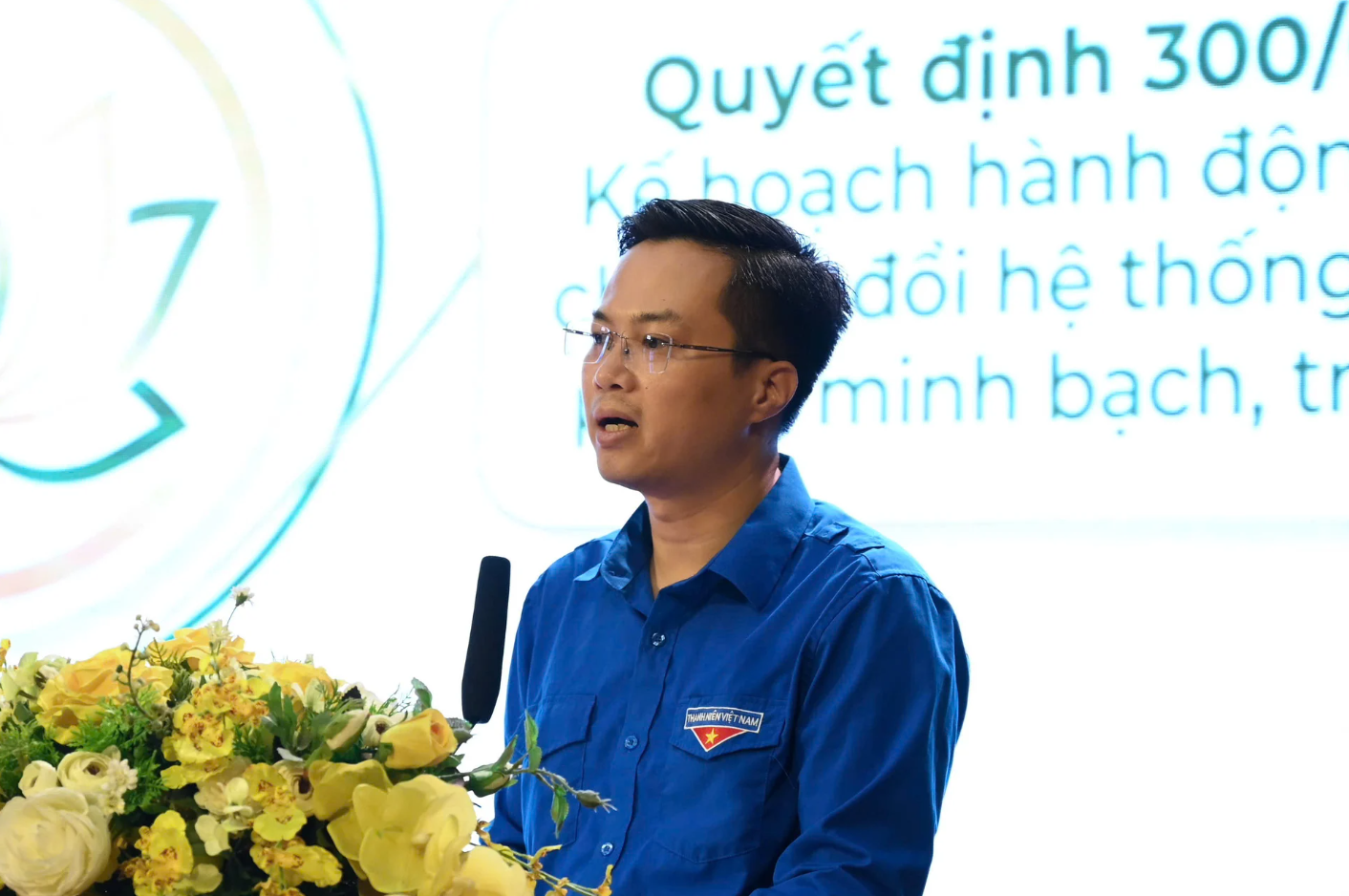 Mr. Ta Hong Son, Secretary of the Youth Union of the Ministry of Agriculture and Environment, said that distinguishing between food loss and food waste is essential to finding the right solutions. Photo: Kieu Chi.
The Youth Union of the Ministry of Agriculture and Environment has identified three areas in which young people can take part. The first is reducing losses during production and transportation through solutions such as biodegradable packaging that extends shelf life, sensors that monitor temperature and humidity in storage facilities, and transport coordination platforms that help reduce the cost of bringing agricultural produce to market.
The second is creating value from produce that does not meet appearance standards, food approaching its expiration date and by-products. Second- and third-grade produce can be processed appropriately, while digital platforms can help connect safe, edible food with people in need. For Mr. Son, this means moving from dealing with surplus food after it occurs to proactively designing more efficient ways.
The third area begins with everyday choices: buying only what is needed, taking appropriate portions and finishing what is on the plate. Young people can organize accessible activities, share ways to make use of leftover food and connect food banks with communities in need.
Mr. Son hopes initiatives will be fully tested and developed into concrete products and models, because preventing food waste begins with both how food is produced and how each person uses and consumes.