Methane emissions from agricultural activities, particularly crop cultivation and livestock farming, are becoming a major challenge as Viet Nam works toward its greenhouse gas reduction commitments. According to experts, effective methane reduction will require simultaneous investment in infrastructure, technology, and changes in farming practices.
Associate Professor Dr. Mai Van Trinh said scientists have already researched and proposed a wide range of solutions to reduce methane emissions in agriculture. Some measures can be implemented immediately, while others require substantial financial and technological resources to be carried out effectively.
In rice cultivation, methane emissions can be reduced through scientific farming practices such as periodic drainage and field drying, which help introduce oxygen into the soil. When soil conditions shift from anaerobic to aerobic, methane-producing bacteria can no longer thrive, thereby reducing emissions released into the atmosphere.
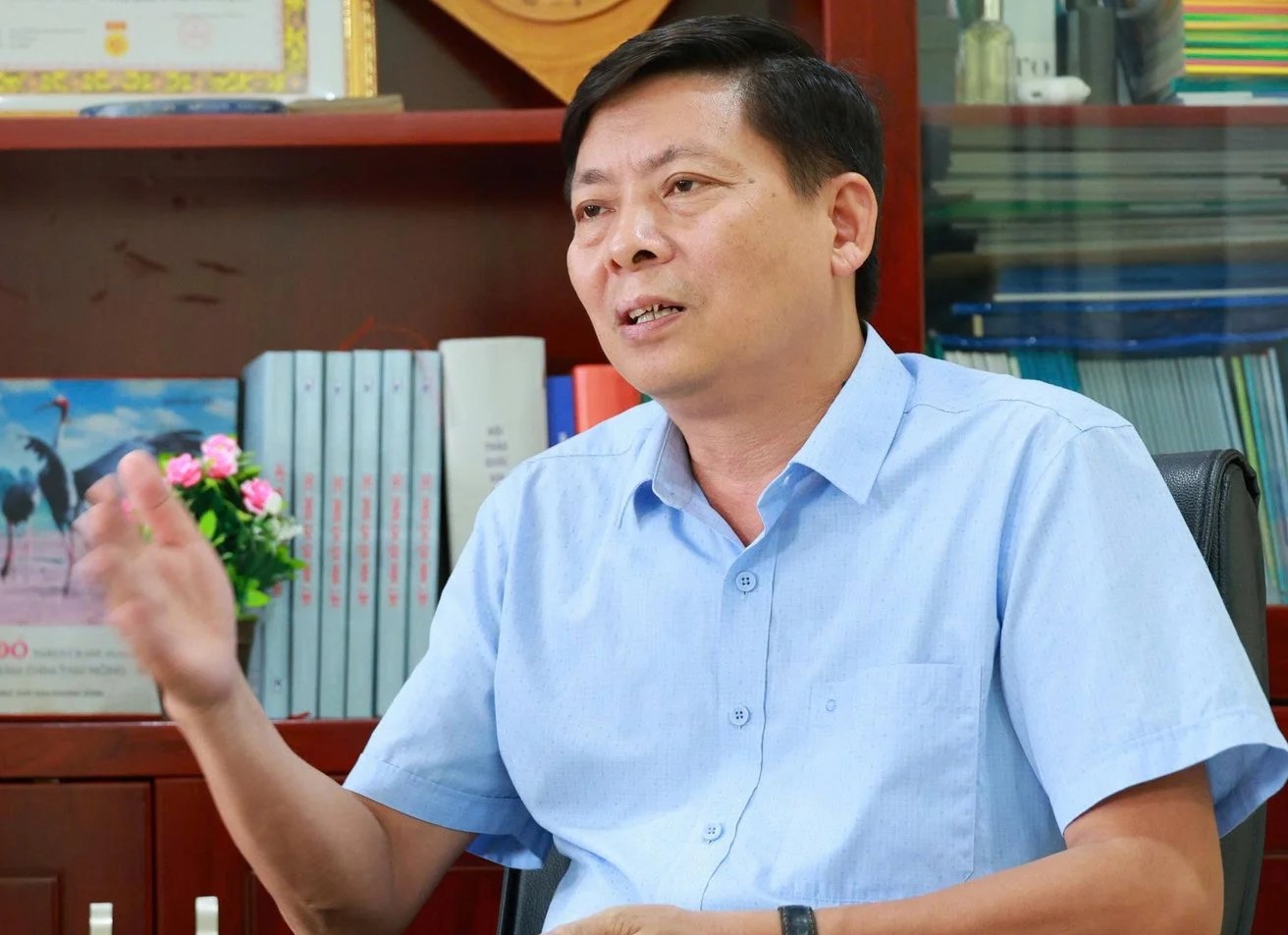 Associate Professor Dr. Mai Van Trinh, Director General of the Institute of Agricultural Environment.
However, implementing this process requires synchronized irrigation infrastructure capable of actively controlling water supply and water levels in rice fields. According to Dr. Trinh, this remains a major challenge because of the high investment costs and the long time needed to complete such infrastructure systems.
“In developing emission reduction solutions, we always consider multiple factors, including emission reduction potential, implementation costs, feasibility for farmers, and the country’s socio-economic development goals,” Dr. Trinh emphasized.
In livestock farming, several measures - including improving feed for ruminants, using biological bedding, and developing biogas systems - have proven to bring dual benefits by reducing greenhouse gas emissions while also improving economic efficiency for farmers.
Experts explained that adding more protein to ruminant feed helps animals digest food more quickly, shortening the fermentation process in the rumen, which is the main source of methane emissions. At the same time, better feed quality improves nutrient absorption and increases meat and milk productivity.
“This is a solution that delivers two benefits at the same time: reducing greenhouse gas emissions and improving livestock productivity,” Dr. Trinh noted.
One of the most effective models currently being promoted is the treatment of livestock waste through biogas technology. Under this model, organic waste is broken down to produce methane gas that can be used for cooking, electricity generation, or operating farm equipment.
Besides helping reduce environmental pollution, biogas also creates a valuable source of renewable energy. At a dairy farm with around 400 cows in Moc Chau, Son La Province, for example, a biogas system now provides electricity for irrigation, cow washing, milking operations, and milk cooling.
In addition, solid waste left after treatment is reused to produce organic fertilizer, creating an extra source of income for the farm.
However, experts noted that the use of biogas energy in Viet Nam remains inefficient. Many systems currently utilize only around 15-20% of the gas produced, while the majority is still burned off because there is no suitable consumption mechanism, leading to significant waste of energy resources.
Alongside technical solutions, efforts to strengthen emissions management and monitoring are also being accelerated. From 2025, a Circular on Measurement, Reporting and Verification (MRV) for livestock emissions will officially take effect. This is considered an important step toward gradually standardizing agricultural production according to green standards.
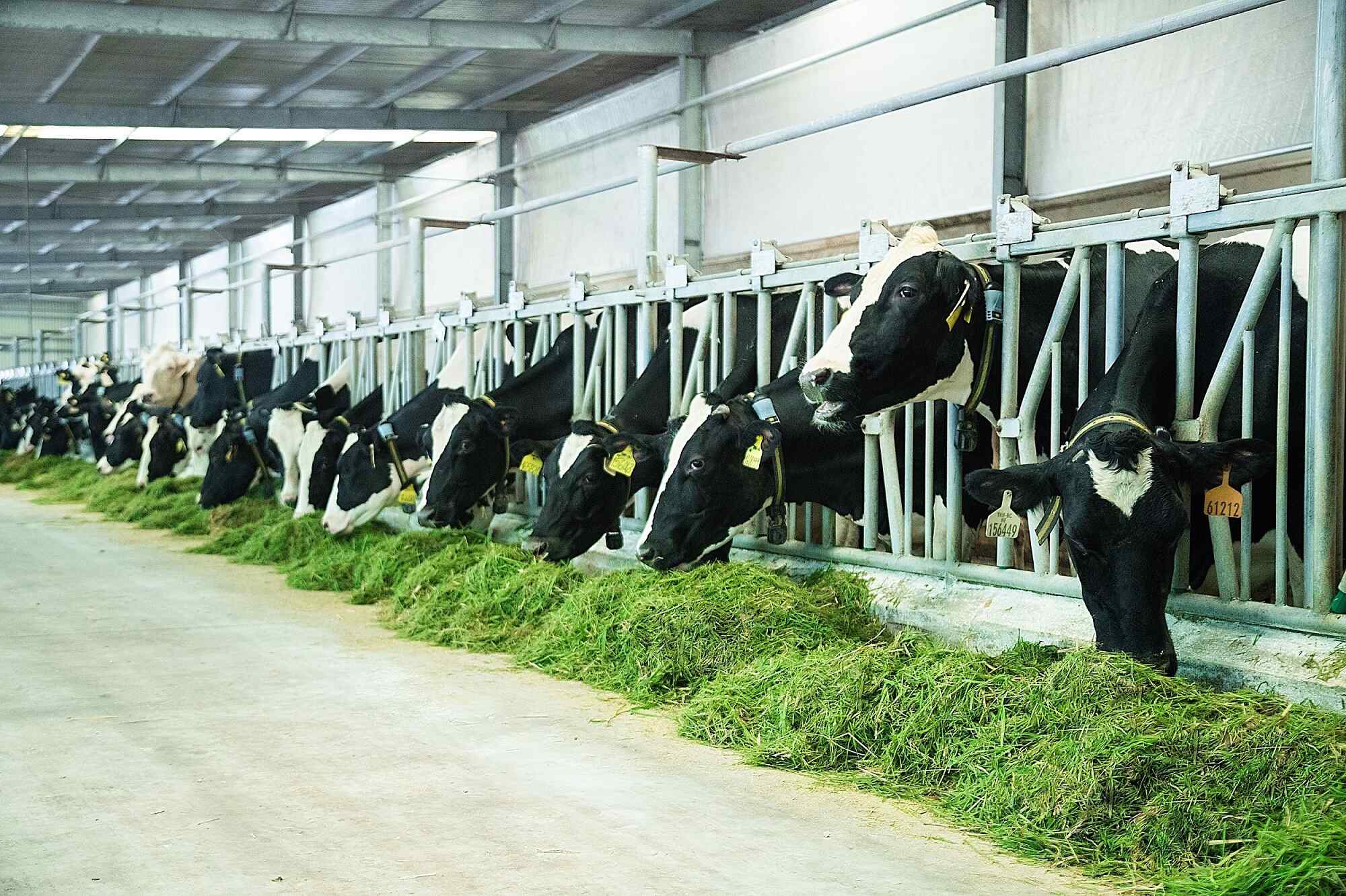 Maximizing the use of livestock waste helps reduce environmental pollution while creating renewable energy with significant economic value.
According to Dr. Trinh, emission reduction is no longer optional but will become a mandatory requirement as more export markets introduce carbon-related barriers for imported goods.
The coffee sector is one example. Many countries now require exporters to lower the carbon footprint of their products. While emissions of around 1 kg of CO2 per kilogram of product were previously accepted, many markets now require this figure to fall to approximately 0.6-0.8 kg CO2.
Even so, Viet Nam still holds certain advantages thanks to its high agricultural productivity and relatively efficient production processes, resulting in lower carbon emissions in coffee products compared with many other countries.
To achieve methane reduction targets by 2030, experts say Viet Nam must continue following its planned roadmap, including expanding the area of rice cultivation using alternate wetting and drying methods, improving livestock feed, and enhancing the treatment of agricultural waste and by-products.
At the same time, the country needs to invest more in research and new technologies to improve emission reduction efficiency, while also developing shared infrastructure for sustainable agricultural production.
“To reduce emissions effectively, there must be cooperation among the government, scientists, and farmers. When solutions provide both environmental and economic benefits, people will actively participate,” Dr. Trinh affirmed.