On the morning of July 10, the Hanoi People’s Council approved a resolution outlining phased measures to reduce plastic waste across the capital. The policy will be implemented through a detailed roadmap targeting specific groups in production, commerce, services, and daily consumption.
Starting January 1, 2026, hotels and tourist accommodations in Hanoi will be prohibited from using single-use plastic products. The ban will cover items such as toothbrushes, razors, cotton swabs, shower caps, as well as plastic packaging for toothpaste, shampoo, body wash, lotion, and hair conditioner.
By January 1, 2027, markets and convenience stores must stop providing free non-biodegradable plastic bags. At the same time, e-commerce vendors will be required to adopt measures to reduce plastic packaging and cushioning materials or implement take-back schemes to prevent environmental leakage.
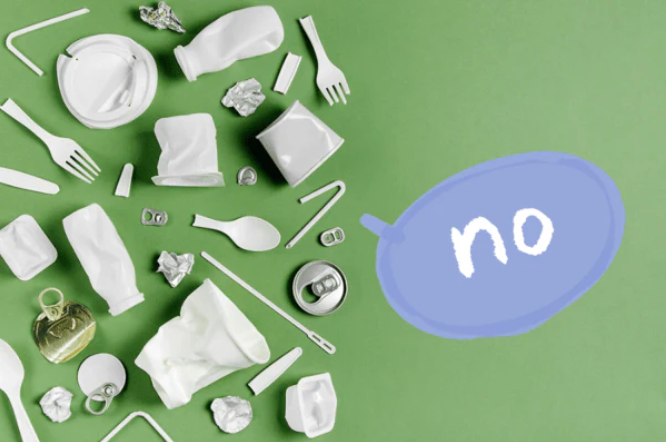
Stricter regulations will come into effect in 2028. As of January 1 that year, markets and convenience stores must fully cease the use of single-use plastic items, including non-biodegradable bags and foam food containers—except those certified with Vietnam's eco-label. Government offices and public service units under city authority will also be banned from using single-use plastic products, particularly those in direct contact with food.
For manufacturers, starting in 2028, producers of PE and PP-based plastic packaging will be required to incorporate at least 20% recycled materials, rising to 30% by 2030.
A key highlight of the resolution is the complete ban, effective January 1, 2031, on the production and import of single-use plastic products, non-biodegradable packaging, and products containing microplastics—unless they bear Vietnam’s eco-label or are designated for export purposes.
The resolution marks a bold step in Hanoi’s push toward a circular economy, enhanced environmental protection, and plastic pollution control, aligning with the national goal of zero plastic waste by 2050.