In recent months, routine monitoring by staff at the Cu Lao Cham Nature Reserve has revealed encouraging changes in areas where staff have replanted seagrass for restoration. The seagrass shoots transplanted onto the seabed are continuing to grow, with some seagrass species reappearing alongside snails, fish and other aquatic organisms. These early signs offer hope for restoring seagrass meadows that have degraded in the waters around Cu Lao Cham.
These are the initial results of the project “Piloting Seagrass Meadow Restoration Combined with Livelihood Improvement in Cu Lao Cham” (GCBC), funded by the UK Government through the GCBC programme. The project is being implemented by the World Wide Fund for Nature (WWF-Viet Nam) in collaboration with the Cu Lao Cham Nature Reserve Management Board and relevant partners. It aims to restore 2 hectares of seagrass meadows while developing a model that can be replicated in the future.
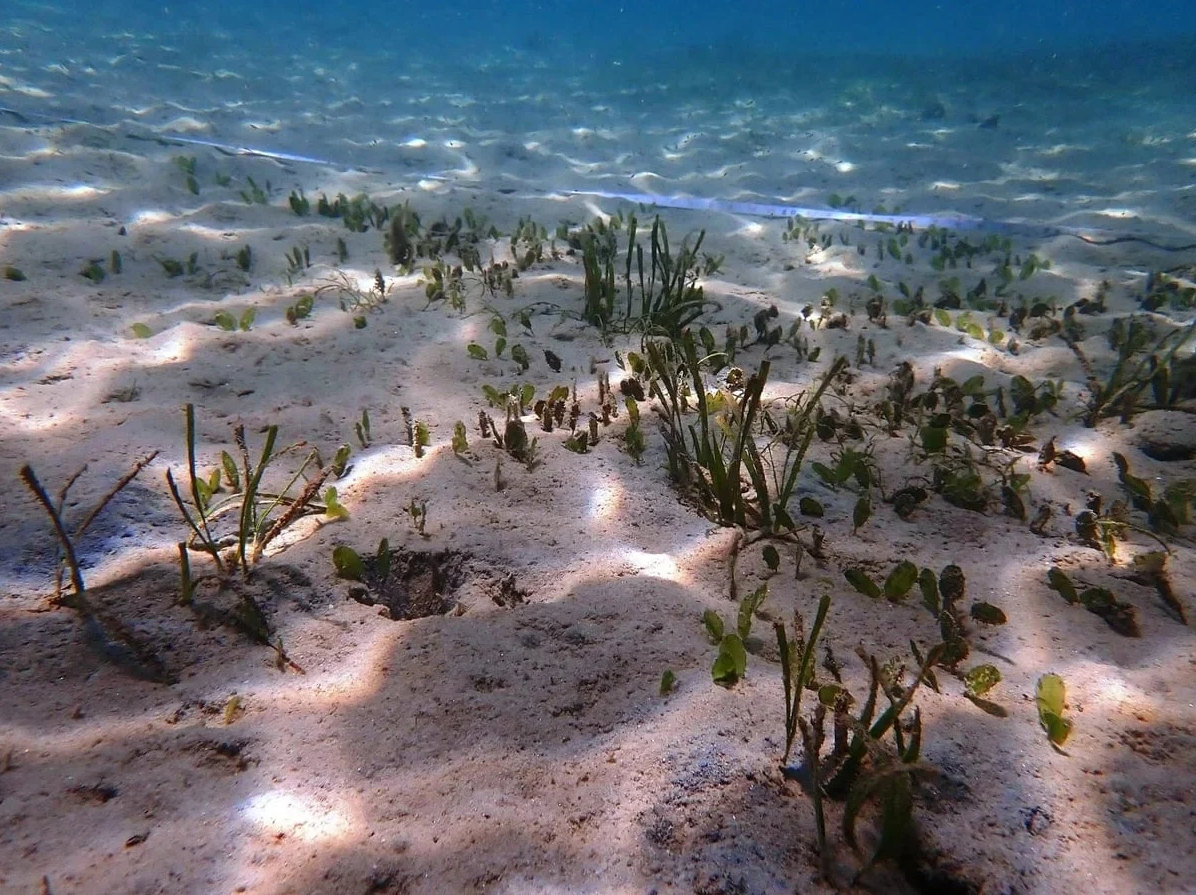 Seagrass meadows in Cu Lao Cham are gradually recovering. Photo: GCBC.
As of September 2026, the project had carried out four pilot restoration rounds. At Bai Bac, one of the selected sites, technical staff transplanted more than 1,200 upright shoots of two seagrass species, Halodule uninervis and Thalassia hemprichii, onto the seabed using a planting method involving nursery bags.
Monitoring results from the March 2026 restoration round showed that approximately 71.1% of the planting bags remained in place during the monitoring period, with 933 upright shoots recorded.
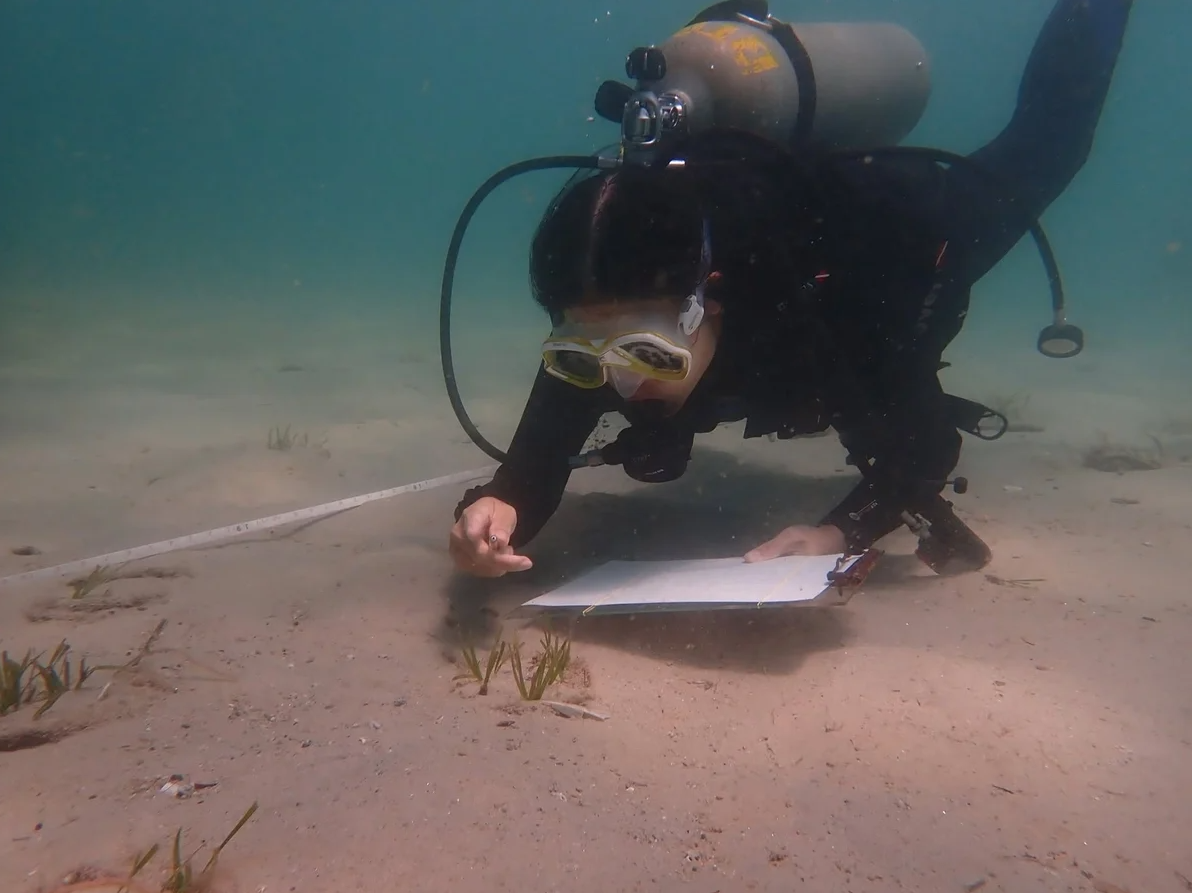 Staff of the Cu Lao Cham Nature Reserve monitor seagrass growth. Photo: Cu Lao Cham Nature Reserve Management Board.
According to Tran Thi Phuong Thao, an ecologist at the Cu Lao Cham Nature Reserve, these early signs of recovery are significant given the sharp decline in seagrass coverage in the area over the years.
Research findings show that Cu Lao Cham had approximately 50 hectares of seagrass meadows in 2004, but this had fallen to just 17 hectares by 2017. Since 2021, seagrass cover has continued to decline, with average coverage rates ranging from 9.2% to 14.5%.
Thao said a seagrass monitoring programme was established in 2016 across seven sites in the waters around Cu Lao Cham. Bai Bac and Bai Nan have the largest seagrass areas, while Bai Huong and Bai Ong have been heavily affected by speedboat traffic, tourism development and infrastructure construction.
Other contributing factors include changes in currents, sediment deposition, environmental pollution, boat anchoring and nearshore fishing activities, all of which have contributed to the degradation of seagrass meadows.
“Seagrass meadows provide shelter for many aquatic species, including endangered species such as sea turtles and various fish species. They also help stabilise the seabed, reduce erosion and store carbon, contributing to climate change mitigation,” Thao said.
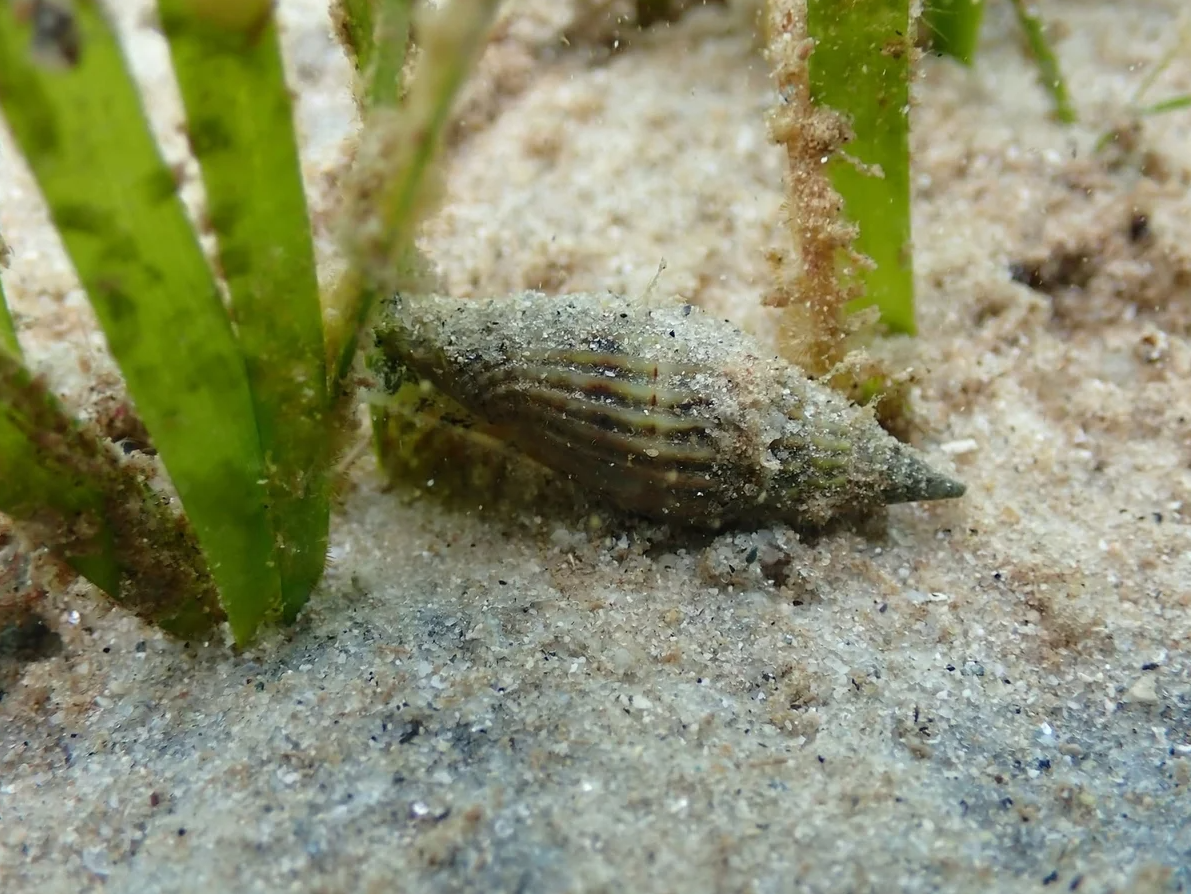 Several marine organisms have been observed in the pilot seagrass restoration area. Photo: Cu Lao Cham Nature Reserve Management Board.
According to Thao, alongside restoring degraded areas, it is equally important to strictly protect existing seagrass meadows, minimise human impacts and establish long-term conservation zones. These measures will provide favourable conditions for newly planted seagrass to grow and gradually form stable meadows on the seabed.
Beyond restoring underwater seagrass meadows, the GCBC project also aims to improve livelihoods for communities on Cu Lao Cham. This is considered a long-term approach, as marine ecosystem protection needs to be closely linked to local people's livelihoods and direct participation.
Under the plan, the project expects to support two to three livelihood models, involving approximately 70–100 households as participants and beneficiaries. These models will provide local residents with additional economic opportunities, gradually reducing pressure on marine resource extraction while strengthening their sense of responsibility for protecting the environment.
Alongside livelihood support, the project focuses on raising community awareness and improving local skills in seagrass monitoring and conservation. Coordination among management agencies, businesses and local residents will also be strengthened to protect natural seagrass meadows and areas undergoing restoration.
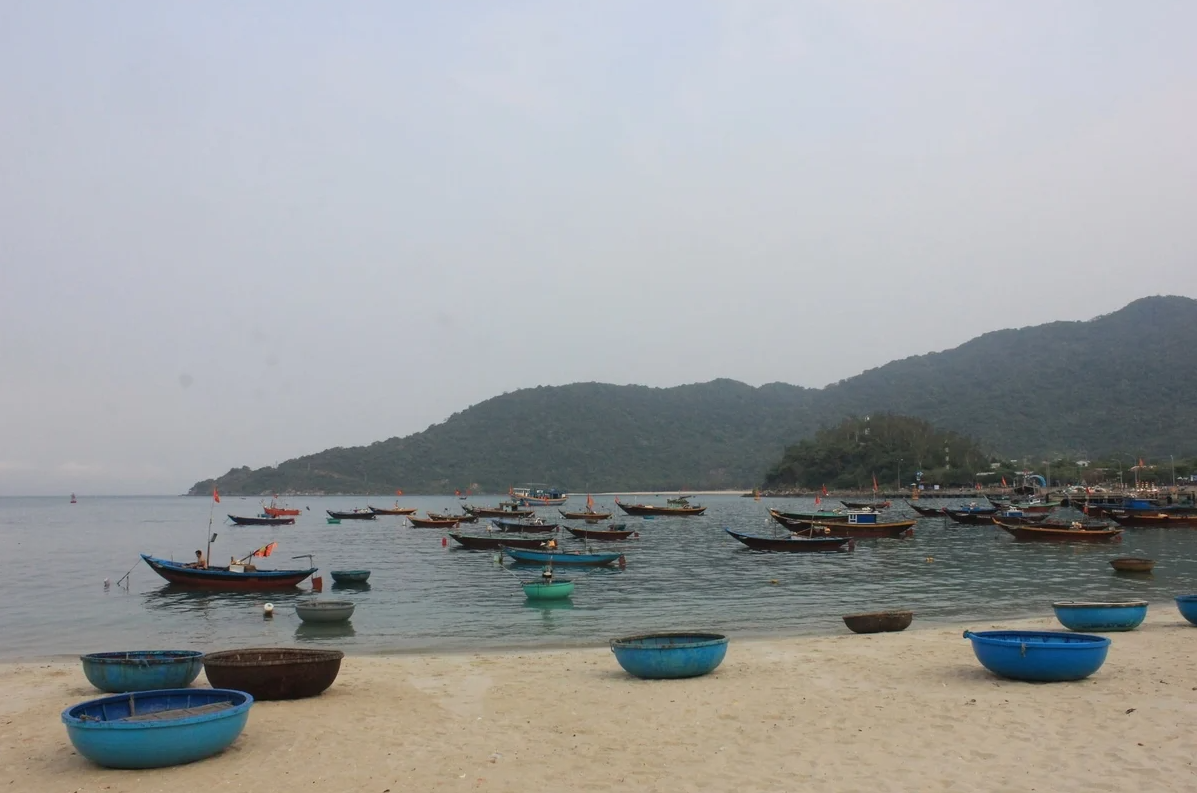 Seagrass restoration helps protect fisheries resources and promote the sustainable development of the coastal and island areas of Cu Lao Cham. Photo: Lan Anh.
Another research focus of the project is to assess the carbon absorption and storage capacity of Cu Lao Cham’s seagrass meadows. By studying methods for measuring and verifying blue carbon stocks, the project aims to establish a scientific basis for exploring the potential development of carbon credits in the future.
If implemented under an appropriate mechanism, this could provide an additional source of funding for nature conservation while creating further opportunities for sustainable livelihoods for communities in the Cu Lao Cham–Hoi An World Biosphere Reserve.
According to Nguyen Thanh Huy, GCBC Project Manager at WWF-Viet Nam, the initial results in Cu Lao Cham demonstrate promising prospects for seagrass ecosystem restoration. However, expanding restoration areas will require further research, technical improvements and assessments of how well each species adapts to local environmental conditions.
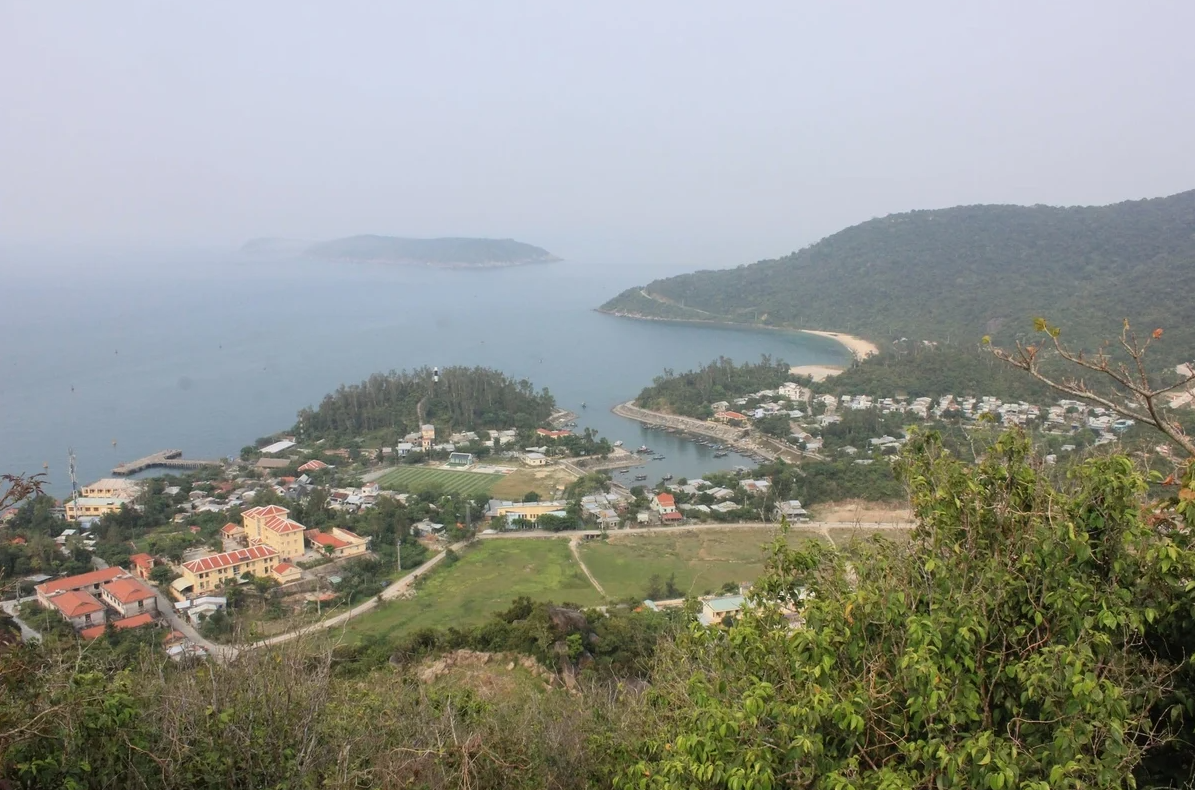 Cu Lao Cham seen from above, home to a diverse marine ecosystem featuring coral reefs and seagrass meadows. Photo: Lan Anh.
“We will continue researching and refining technical solutions so that restoration efforts can be scaled up in the near future, not only in Cu Lao Cham but also in other coastal areas. This will contribute to biodiversity conservation, the recovery of seagrass ecosystems and the restoration of fisheries resources,” Huy said.
Nguyen Van Vu, Deputy Director of the Cu Lao Cham Nature Reserve Management Board, said the project aims not only to restore local marine ecosystems but also to develop a model that can be replicated in marine protected areas and other protected areas across Viet Nam.
According to Vu, investing in seagrass conservation and restoration will help protect fisheries resources, coastal areas and community livelihoods, while maintaining biodiversity and strengthening resilience to climate change. In particular, the potential for developing blue carbon credits could open up new avenues for mobilising long-term funding for conservation efforts.