Plastic waste is piling up, yet recycling plants struggle to secure enough suitable feedstock due to gaps in sorting, collection and delivery.
Viet Nam generates around 5.64 million tonnes of plastic waste each year, but only about 620,000 tonnes are recycled, equivalent to 11% of the total. Meanwhile, the domestic recycling industry still imports around 400,000 tonnes of raw materials annually.
These figures, cited by Unilever Viet Nam from a report published in late 2025, were presented at the launch of the 2026 Plastic Circularity Journey in HCMC. They highlight a disconnect between the supply of used materials and the demand from recycling plants.
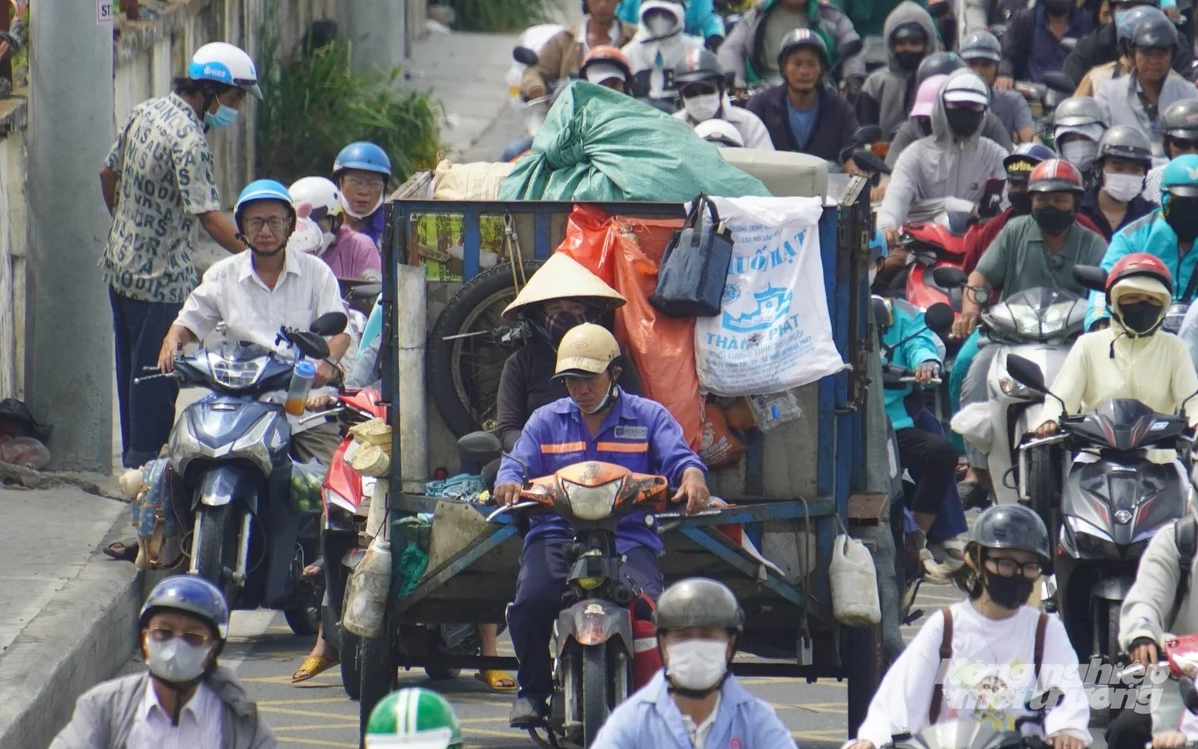 Connecting waste collectors, transport providers and recyclers is essential to bringing used plastic back into production. Photo: Le Binh.
Despite the large volume of plastic waste generated, recycling plants continue to face shortages of suitable feedstock. The main obstacles lie in sorting, collection and transporting waste to recycling facilities.
Ms. Le Thi Hong Nhi, Deputy General Director of Communications, External Affairs and Sustainability at Unilever Viet Nam, said the bottleneck lies in the middle stages of the circular value chain, from collecting different materials separately to delivering them to the right recycling facilities. Inconsistent infrastructure, ranging from collection vehicles to specialised treatment facilities for different types of plastic, also makes it difficult to move materials through the system.
In practice, some recycling facilities use flexible plastic packaging to make construction panels but struggle to secure enough feedstock, even though this type of packaging is generated regularly by households.
“Collecting flexible plastic packaging is very difficult. It is particularly hard to gather enough to meet the required volume,” Ms. Nhi said.
According to her, grouping plastic bags and other flexible materials together after sorting can make it easier to collect sufficient quantities for recycling.
Mr. Nguyen Trong Minh, CEO of Grac Technology JSC, said the role of waste collectors deserves closer attention. A significant share of material recovery in Viet Nam is currently handled by the informal sector, including scrap buyers and itinerant waste collectors.
These collectors tend to prioritise PET bottles, paper and other materials with higher resale value. Lower-value materials are often left behind, even when some recycling plants need them. Meanwhile, formal operators, such as public service companies and urban environmental service providers, have yet to participate fully in collecting recyclable waste directly, Minh said.
This lack of coordination means that sorting waste at home alone cannot guarantee that recyclable materials will reach recycling plants. Without collectors willing to take them or sufficient quantities to justify transportation, recyclable materials can still fall out of the recovery chain.
Mr. Minh proposed that support policies should cover both formal and informal waste collectors. Under extended producer responsibility (EPR), he hopes funding can reach the collection stage rather than being concentrated solely on recycling facilities.
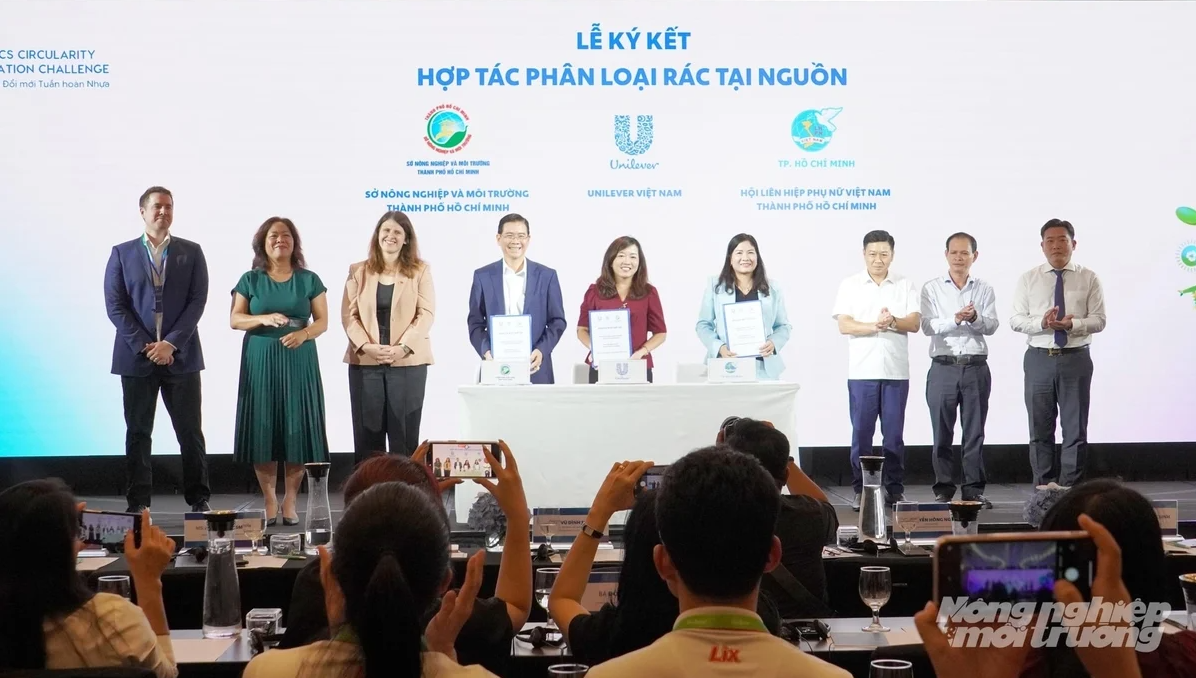 The HCMC Department of Agriculture and Environment, the city's Women's Union and Unilever Viet Nam sign a cooperation agreement to promote waste sorting at source and increase material recovery for recycling. Photo: Le Binh.
Alongside physical infrastructure, Grac is developing digital infrastructure to connect stakeholders. Mr. Minh said that investing in collection vehicles, collection stations and recycling plants takes considerable time, while data technology can be introduced sooner to help organise material flows.
Data can show what types of waste are collected, how much is recovered, which operators handle the materials and where they end up. This allows manufacturers to track their packaging after use, while residents can see the results of their waste-sorting efforts.
“Reliable data requires the participation of multiple stakeholders, from recyclers and transport providers to waste collectors,” Mr. Minh stressed.
Such information also helps authorities identify areas with insufficient collection capacity, materials that lack viable recycling outlets and locations where additional infrastructure is needed.
Mr. Vu Dinh Nam, Deputy Director General of the Viet Nam Environment Agency under the Ministry of Agriculture and Environment, stressed that policies must be translated into practical action through models, technologies and solutions that can be implemented and scaled up.
“No single stakeholder can achieve this alone,” he said.
Removing collection bottlenecks therefore requires the participation of residents, scrap collectors, transport providers and recycling plants alike. When different types of plastic are collected properly, in sufficient quantities and with a clear destination, materials that would otherwise go to waste can become a reliable source of raw materials for production.