By making recycling drop-off points more accessible, HCMC is seeking to make waste sorting a lasting habit through convenience, transparency and stronger local involvement.
Waste sorting at source in HCMC has not been consistently practised by residents for several reasons. In some areas, sorted waste is still collected together. Some residents want to do their part but do not know where to take recyclable materials, while collection points are not always convenient and recycling options for certain types of packaging remain limited. When their efforts do not lead to visible results, their initial enthusiasm can gradually fade.
Against this backdrop, a materials recovery facility (MRF) in Tan My Ward (HCMC) is making it easier for residents to get involved. At weekends, children come to plant trees, learn how to sort waste and make recycled crafts. Residents bring used materials to the facility, sort them and exchange them for gifts. Software records the types and quantities of materials collected, as well as where they are sent next.
These activities are turning a recycling drop-off point into a place where the community can learn about and take practical steps to protect the environment. Residents now have a designated place to bring their sorted waste, while the journey of used plastic bottles and bags can be tracked through to recycling facilities.
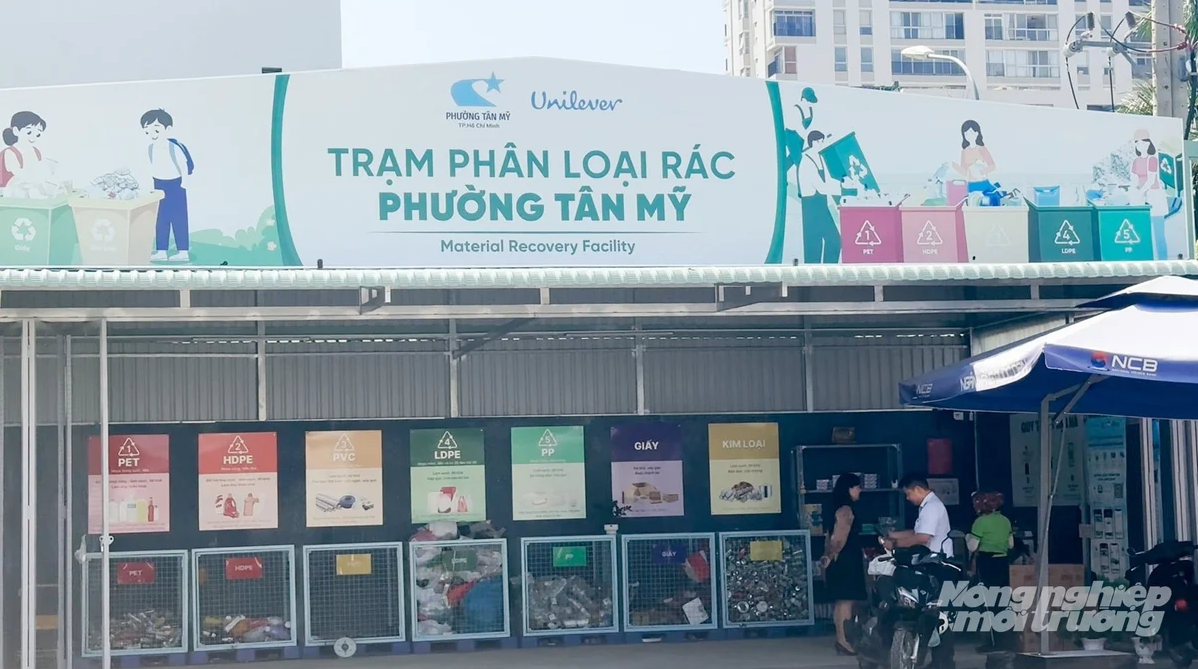 The materials recovery facility in Tan My Ward provides a convenient drop-off point, helping residents maintain the habit of sorting waste at source. Photo: Ha Duyen.
Drawing on his experience supporting local authorities in Ho Chi Minh City, Mr. Nguyen Trong Minh, CEO of GRAC Technology JSC, has found that many residents understand the importance of waste sorting and are willing to follow the guidelines. The main challenge arises when sorting is not properly connected to collection, transportation and recycling.
“Once residents have sorted their waste, they need to know where it goes and whether it will actually be recycled,”Mr. Minh said.
This is also a challenge for low-value materials such as milk cartons and plastic bags. If only plastic bottles and paper are accepted while other materials are still discarded together, residents will find it difficult to maintain proper sorting practices. According to Mr. Minh, clear guidance must be accompanied by convenient drop-off points and reliable outlets for collected materials. Gifts may encourage people to participate for the first time, but a well-functioning system is what keeps them coming back.
Ms. Le Thi Hong Nhi, Deputy General Director of Communications, External Affairs and Sustainability at Unilever Viet Nam, said that turning awareness into action and then into a lasting habit takes time. Residents need practical arrangements that make it easy to do the right thing in their everyday lives.
“Communication helps raise awareness, changing behaviour requires incentives and penalties, while building lasting habits requires a system that is genuinely convenient and transparent,” she said.
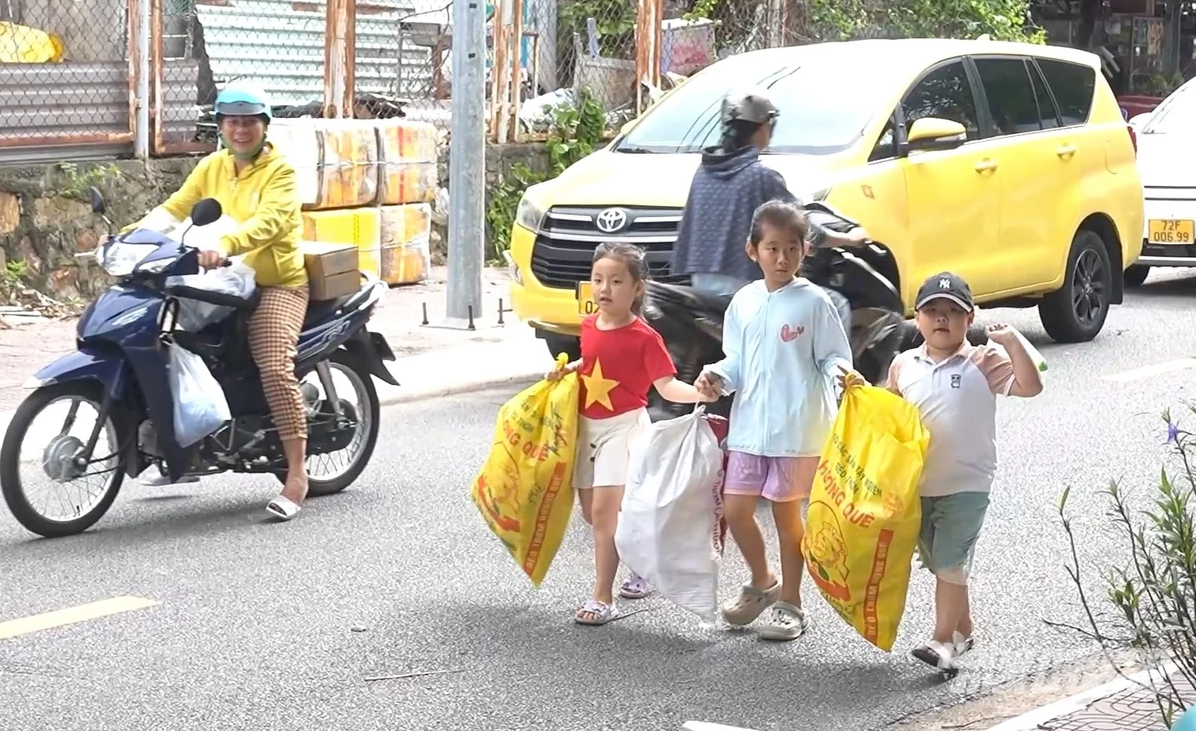 Transparency about what happens to collected materials helps residents understand the value of waste sorting and gradually develop lasting environmental habits. Photo: Le Binh.
At the Tan My facility, GRAC's technology records the types and quantities of materials brought in by residents, along with the organisations that receive them at the next stage. This allows residents to see the results of their contributions, while giving operators data to organise collection more effectively.
However, Ms. Nhi noted that technology and initial funding must be accompanied by the capacity to run the facility locally if the model is to remain viable over the long term. Local authorities need to take the lead by mobilising community organisations, including the Viet Nam Fatherland Front and the Viet Nam Women's Union, while building and sustaining public participation.
Revenue from selling recyclable materials is used to support the facility's operations. While businesses help establish the facility, provide technology and offer initial guidance, local authorities need to take responsibility for day-to-day operations, engage residents and gradually make the model financially self-sustaining.
“We have already had enough pilot projects. What we need now is a model that can genuinely operate,” Ms. Nhi stressed.
Experience in HCMC suggests that, with the right arrangements, materials recovery models can attract public participation and deliver encouraging initial results. Ms. Nguyen Thi Bich Van, Country General Manager of Unilever Viet Nam, said one pilot model in the city collected more than 5.5 tonnes of materials over three months, with more than 700 visits by residents and a high rate of repeat participation.
Importantly, data on material quality, participation patterns and difficulties encountered during collection can help the organisations involved and local authorities refine their approach before expanding the model.
Building on these efforts, HCMC is continuing to promote waste sorting at source through a 2026-2030 cooperation programme involving the municipal Department of Agriculture and Environment, the HCMC Women's Union and Unilever Viet Nam. The programme focuses on strengthening community participation, organising practical activities and applying technology to collection and recycling, with the aim of developing a model that can operate reliably and be expanded in practice.